

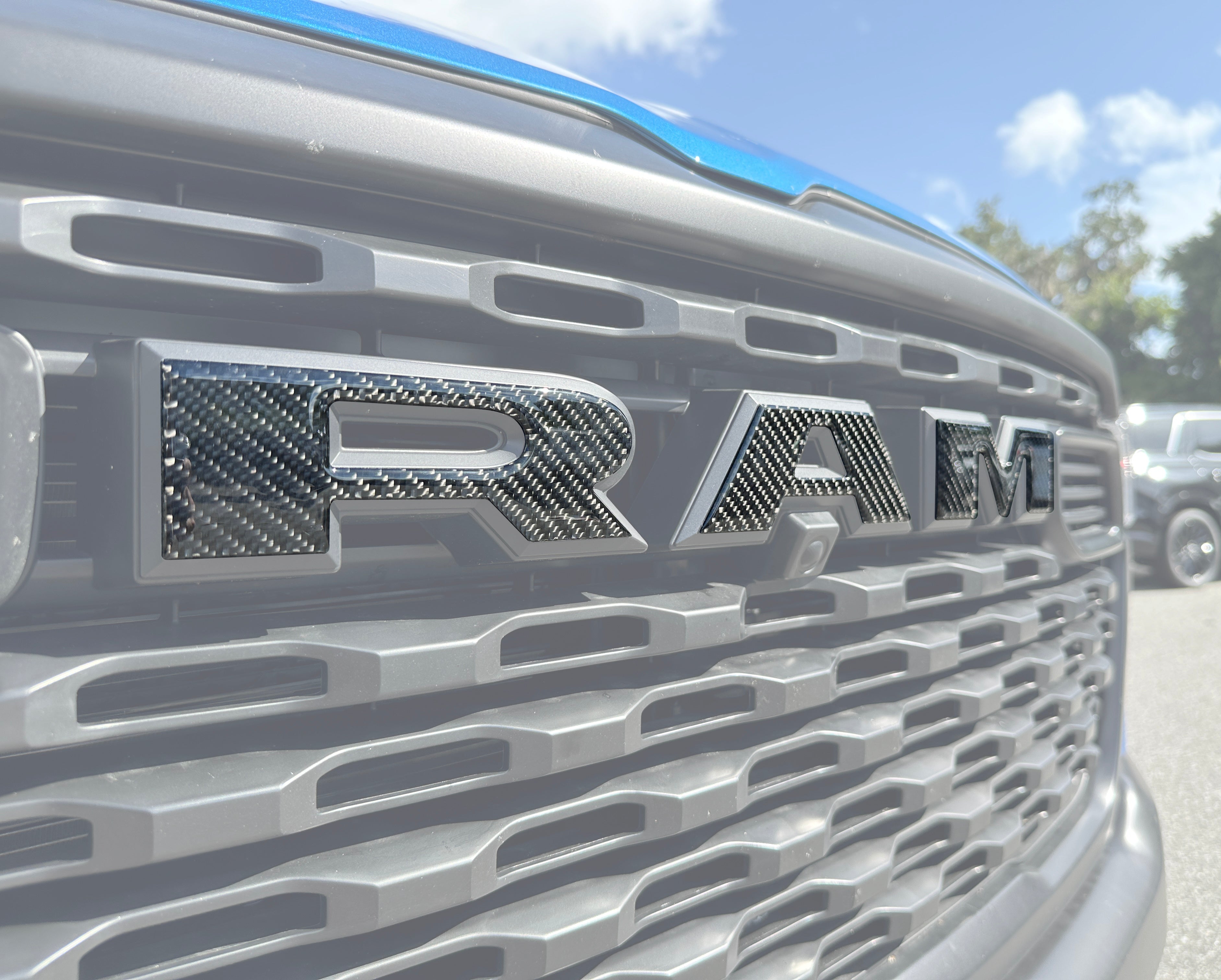


Body Armor
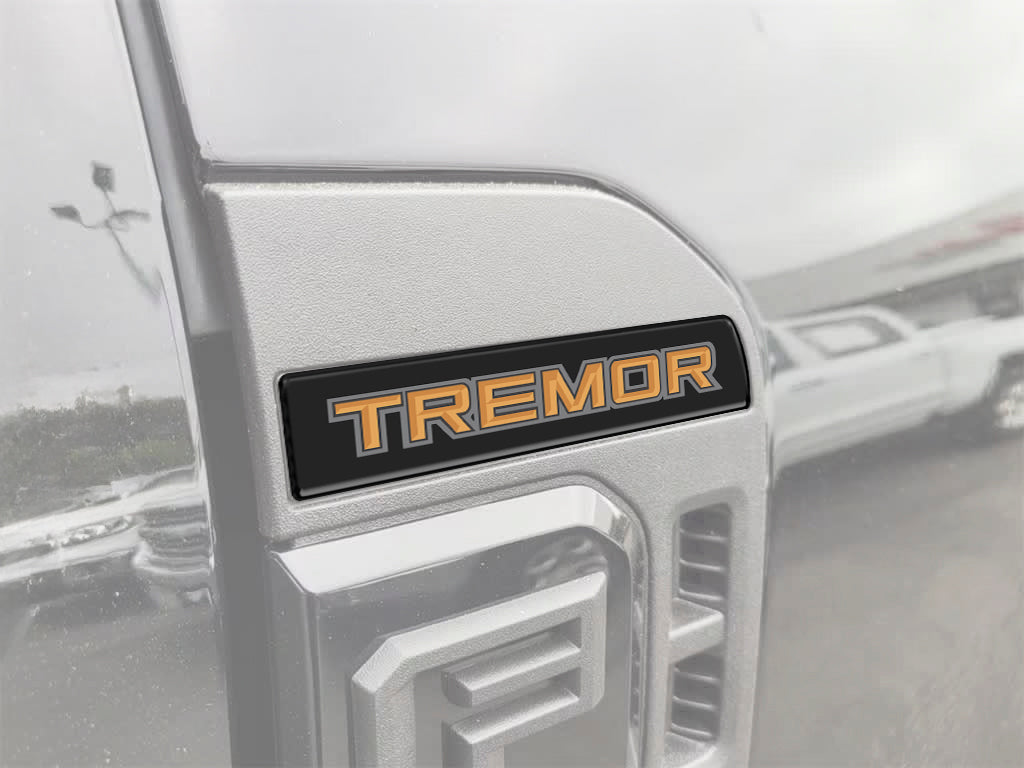
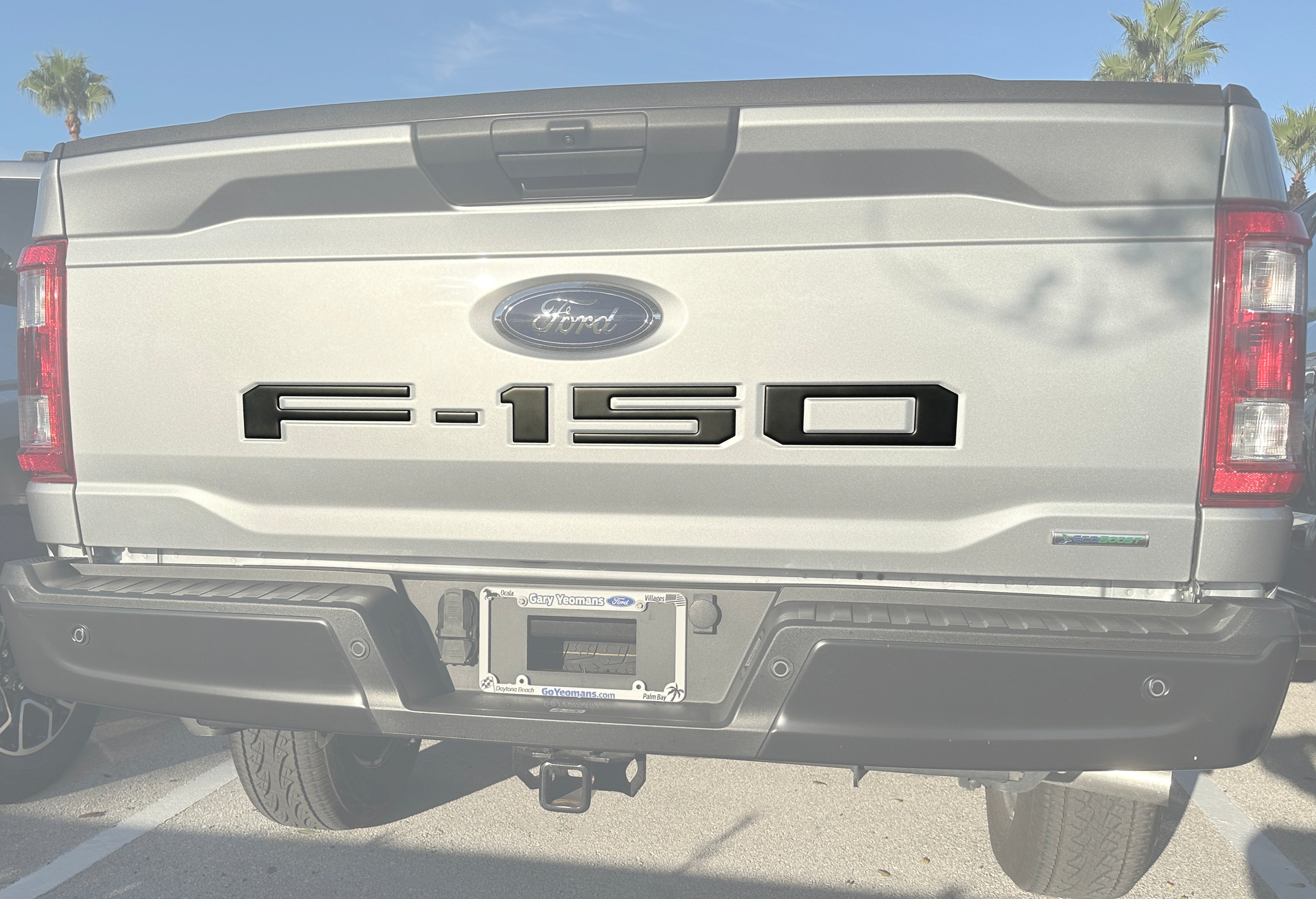
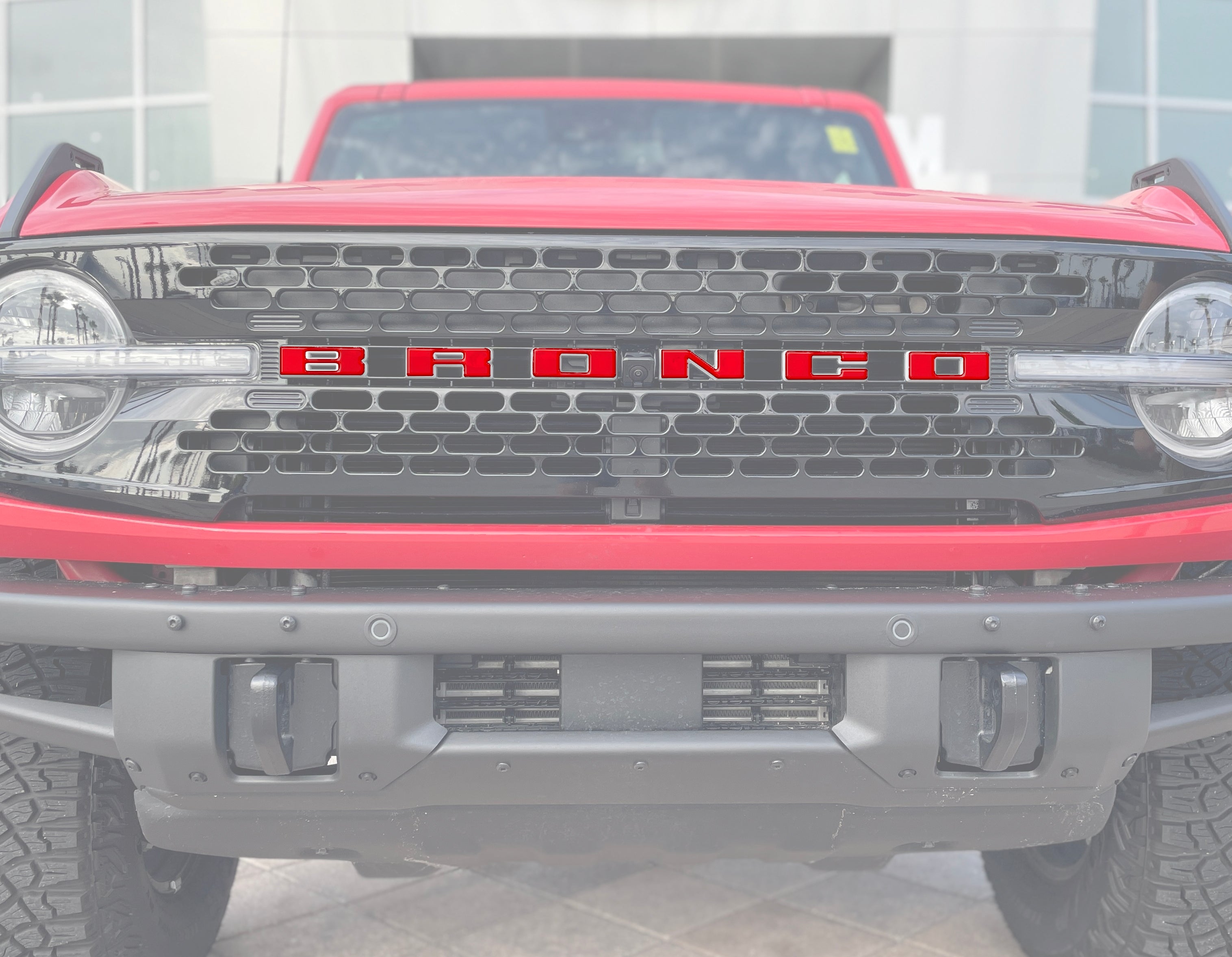
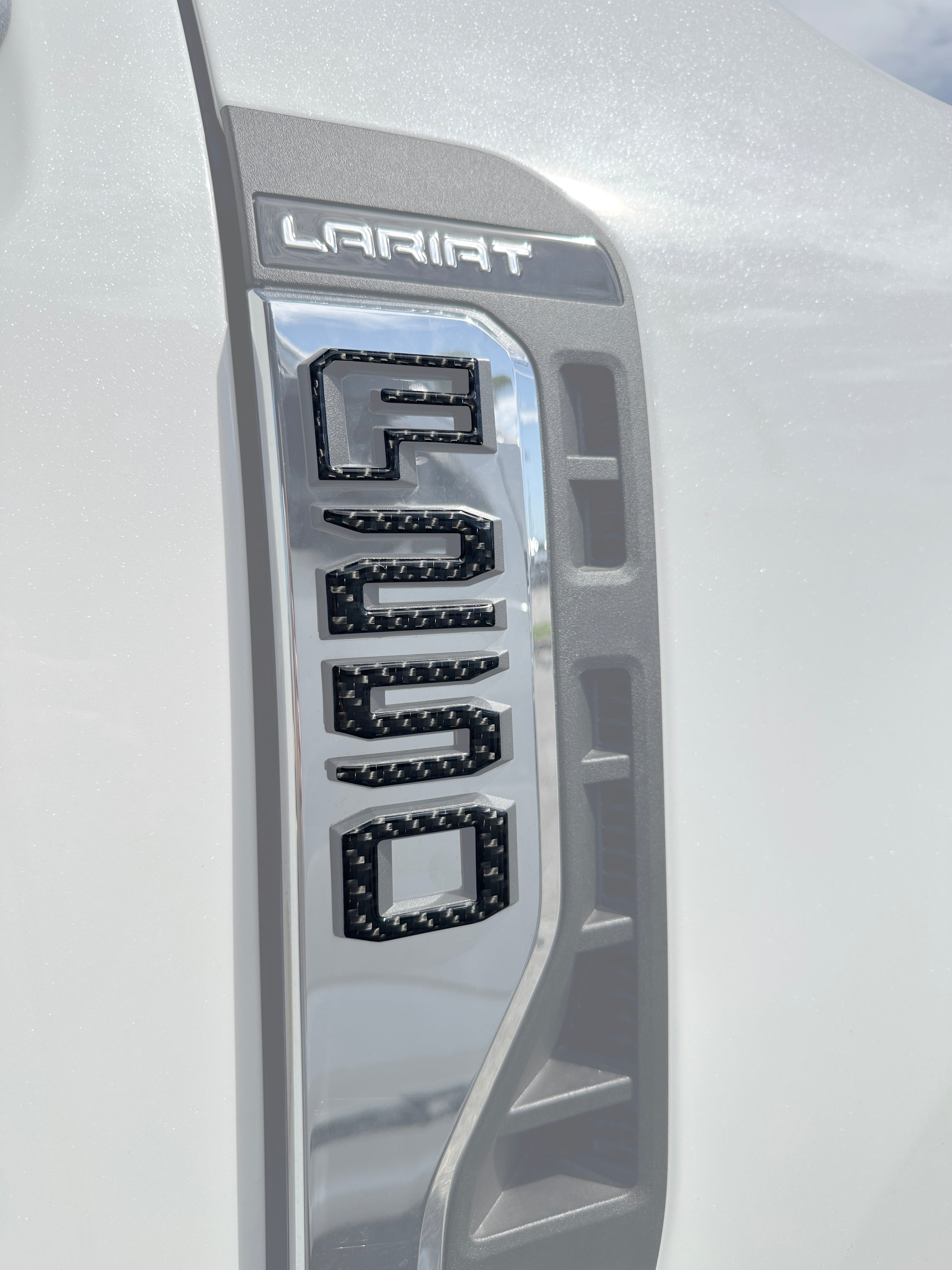
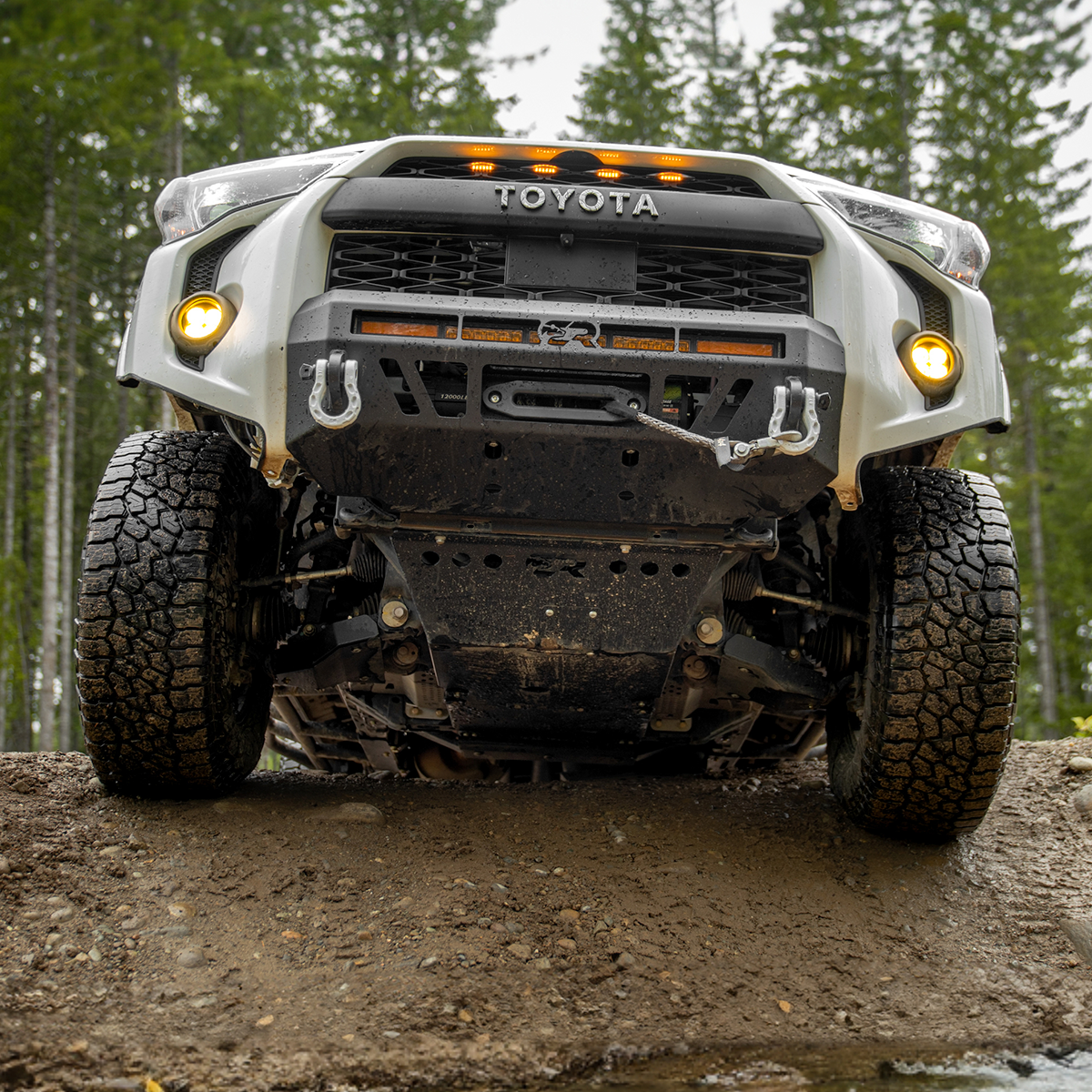
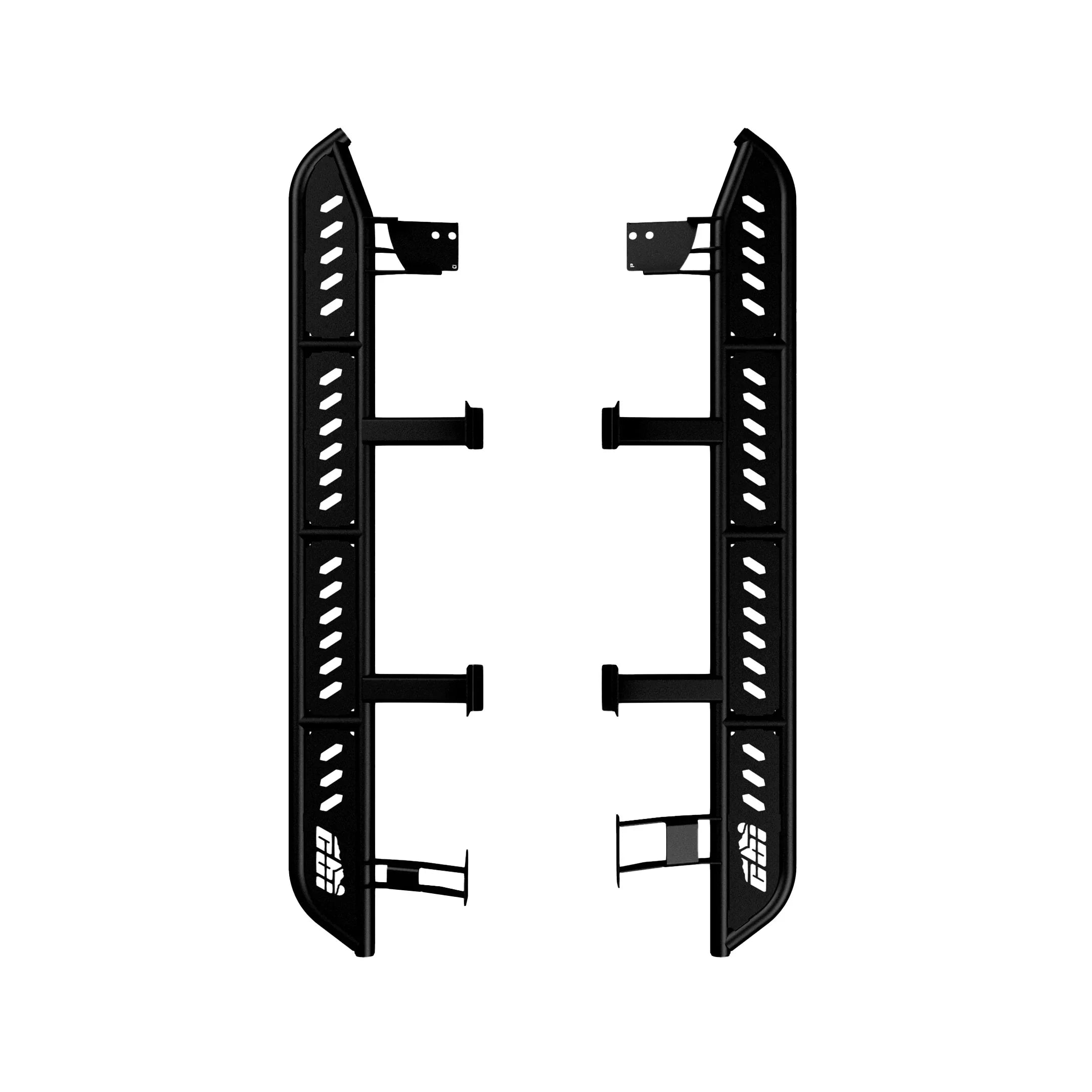
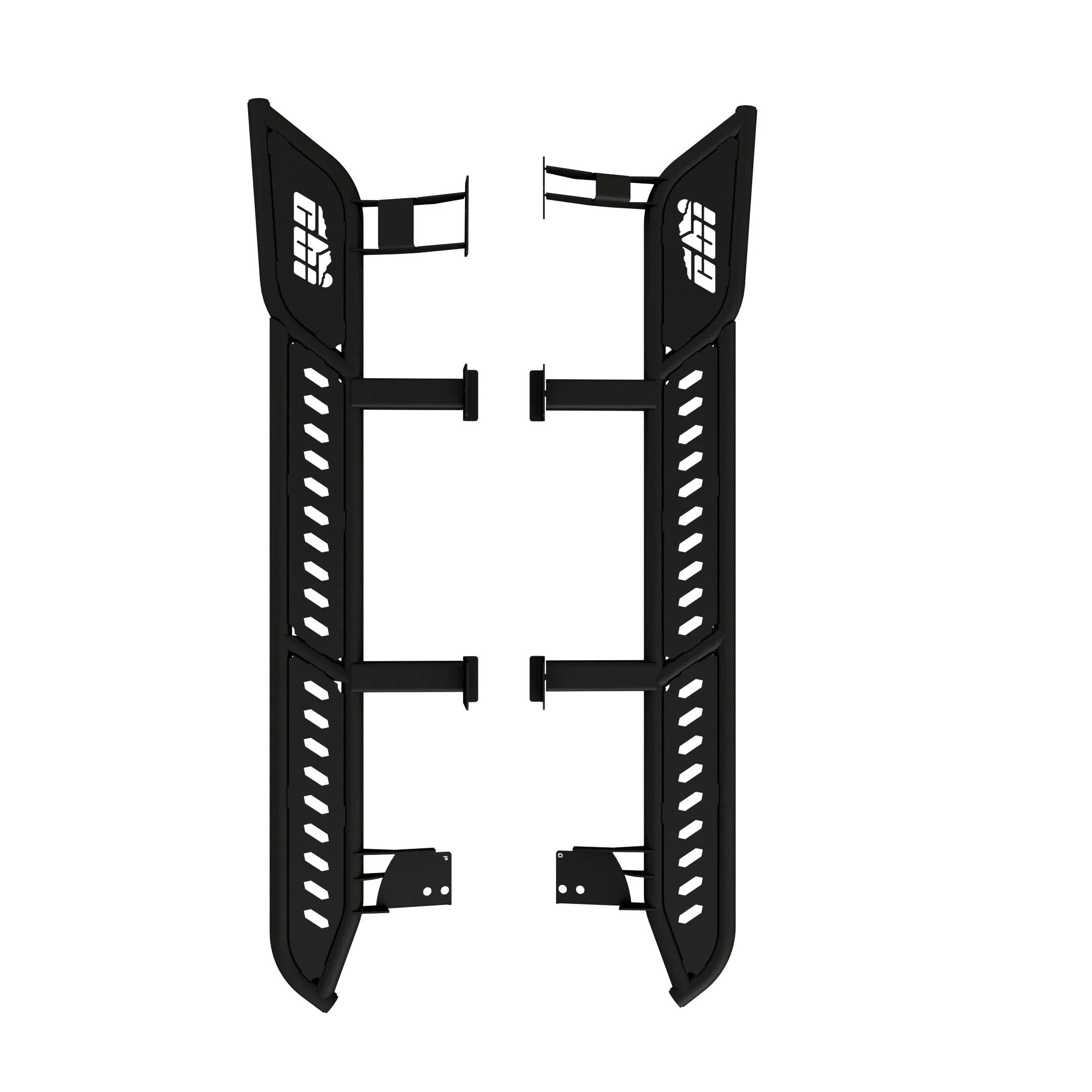
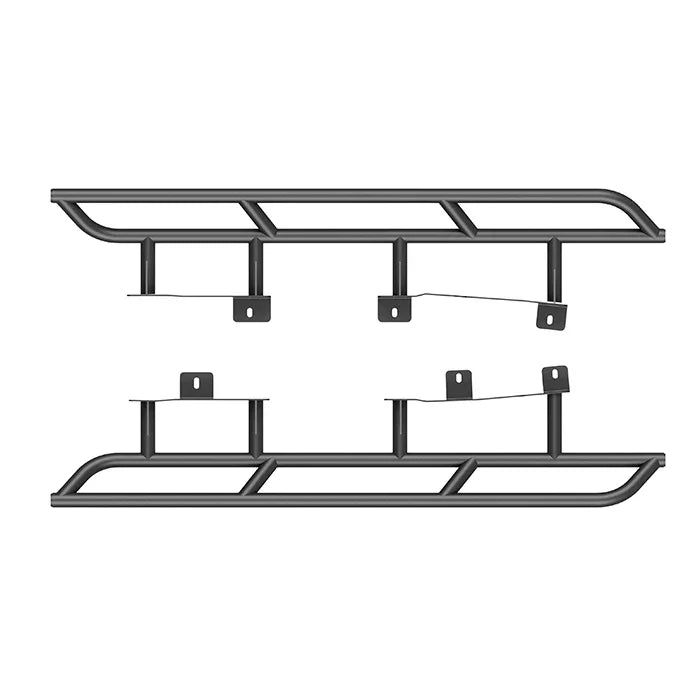
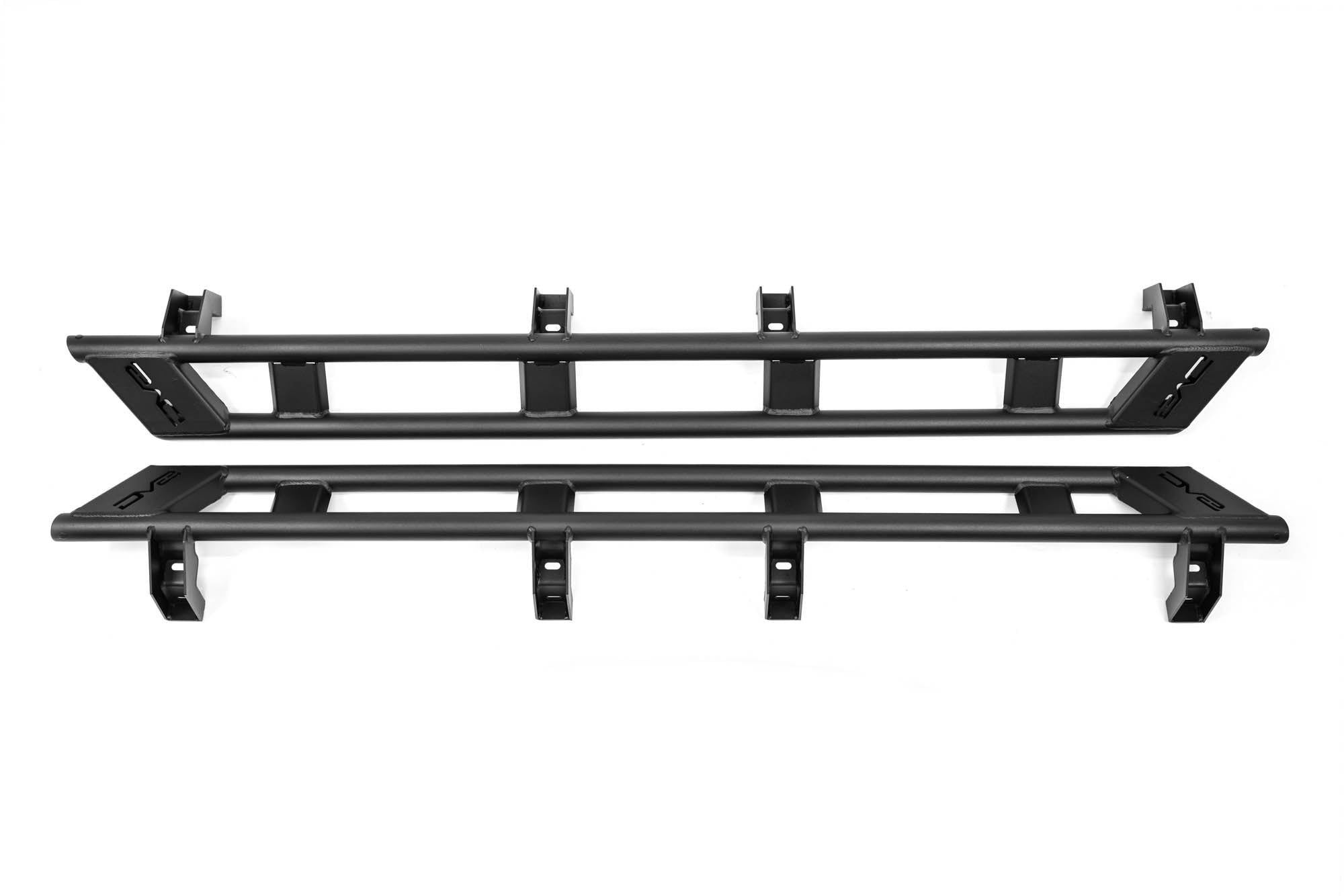
Sheet metal is expensive to fix and nearly impossible to make straight again once it creases, which is why body armor exists. This is the full panel-protection catalog — fender armor, corner and bedside guards, and reinforced trim that takes brush and rock strikes instead of your painted panels. Filter by year, make, and model, then pair it with rock sliders and skid plates so the whole lower body is covered.












Body Armor FAQs
What's the difference between body armor and skid plates?
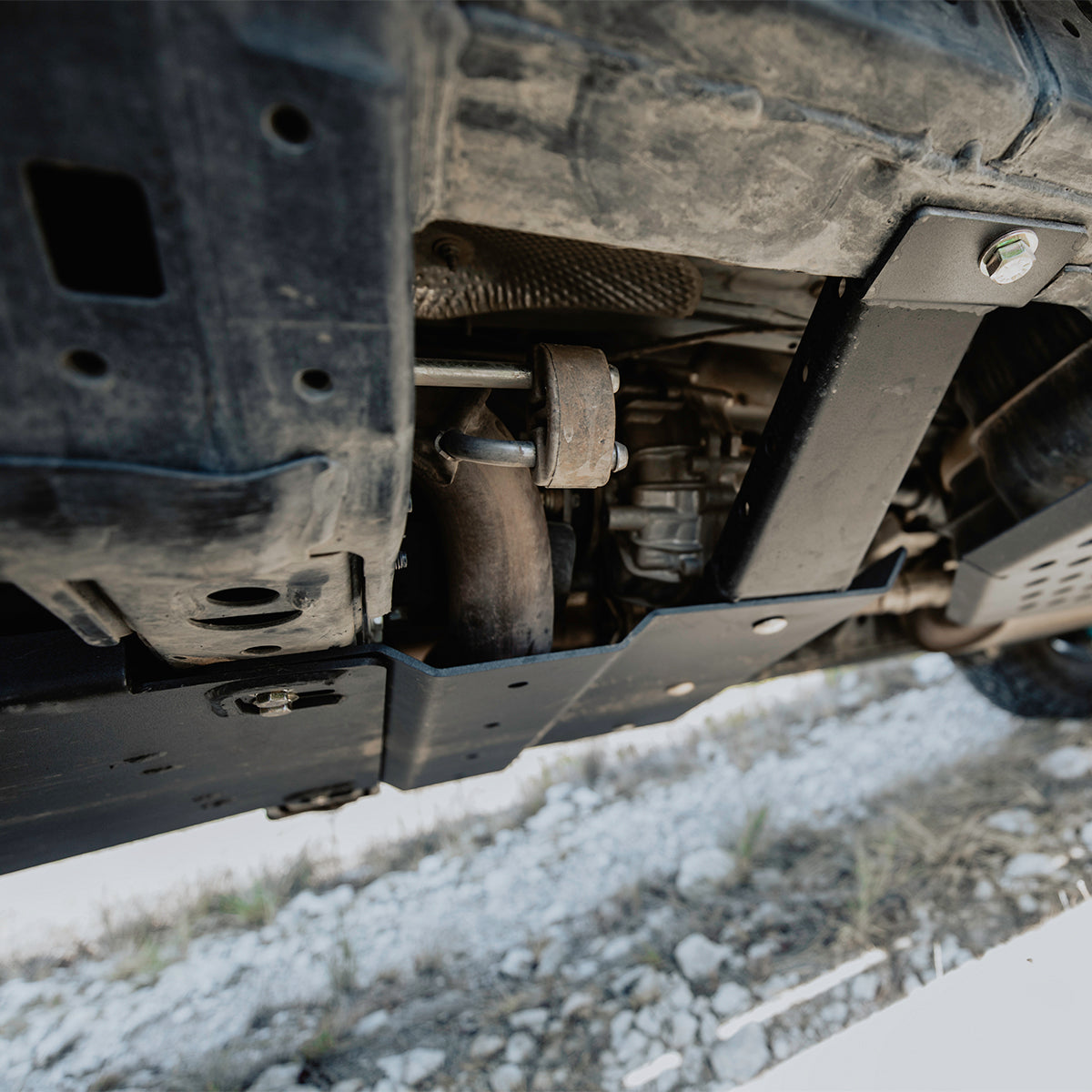
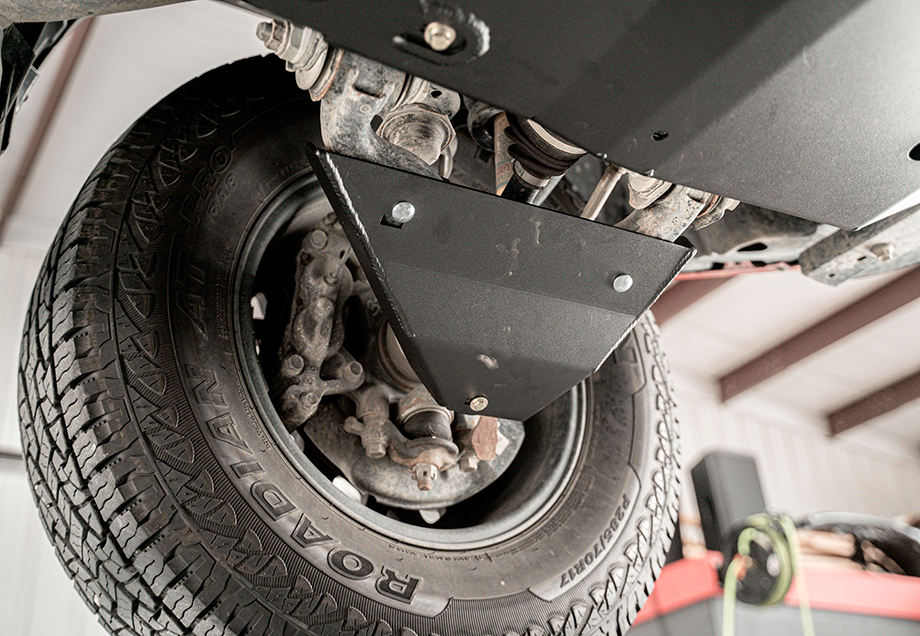
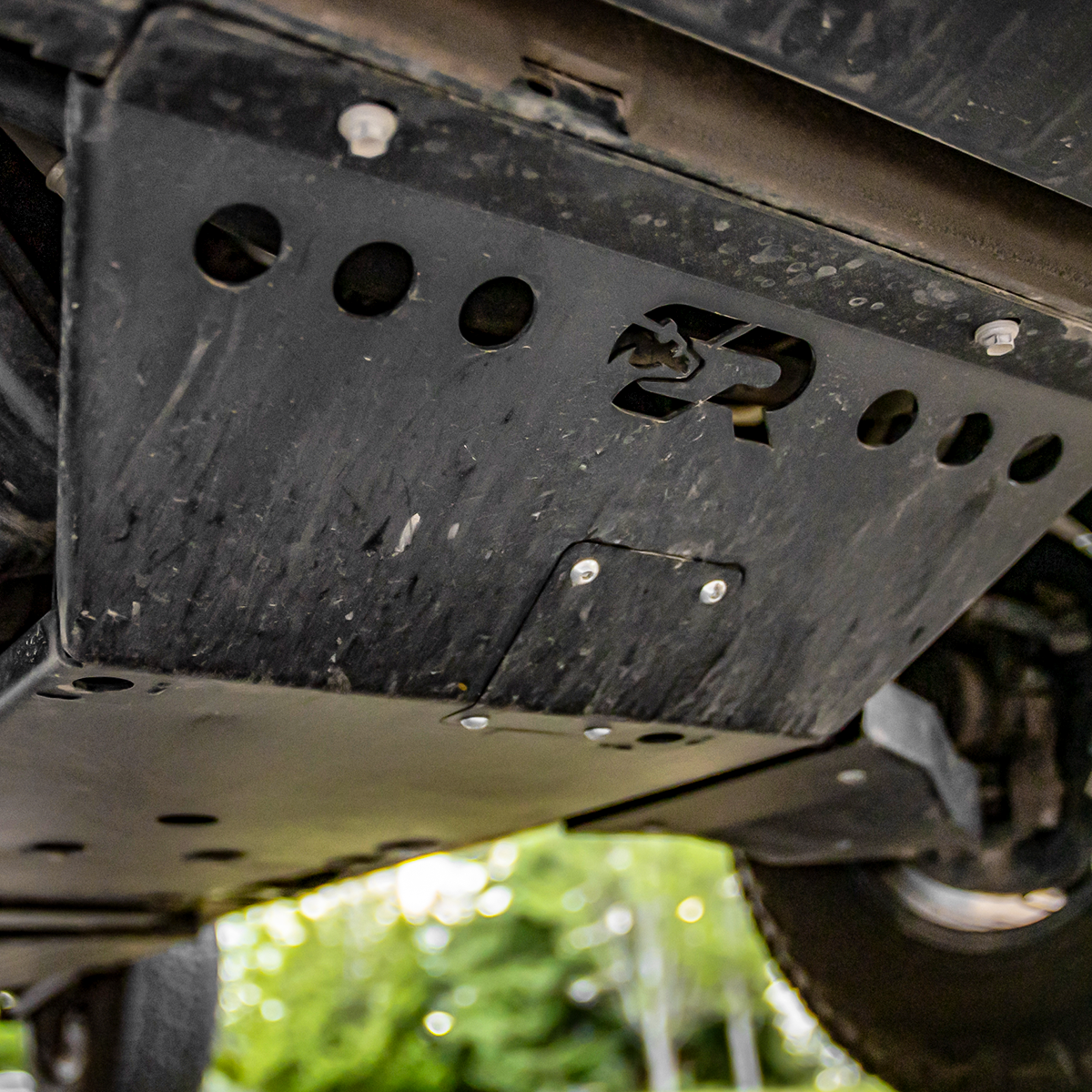
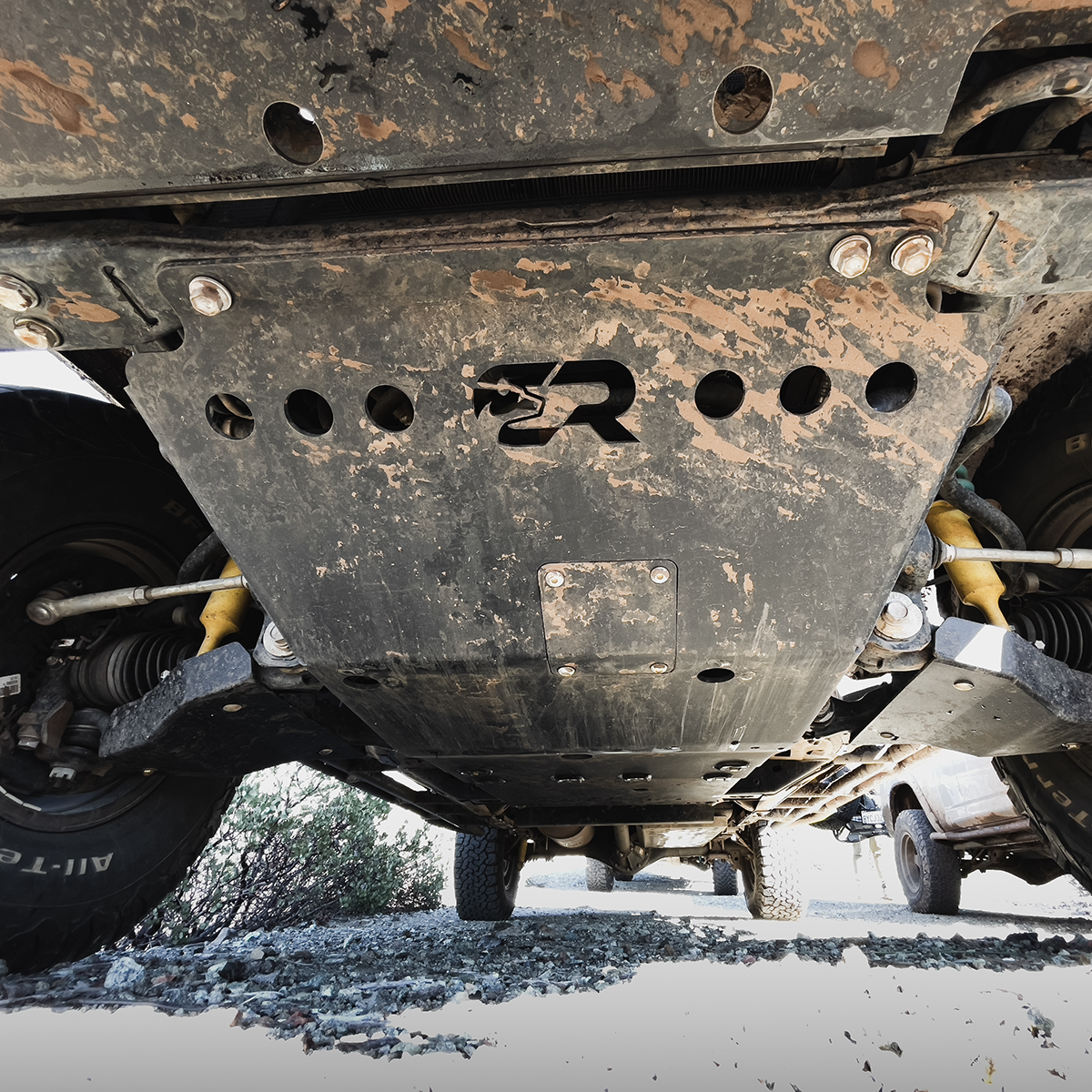
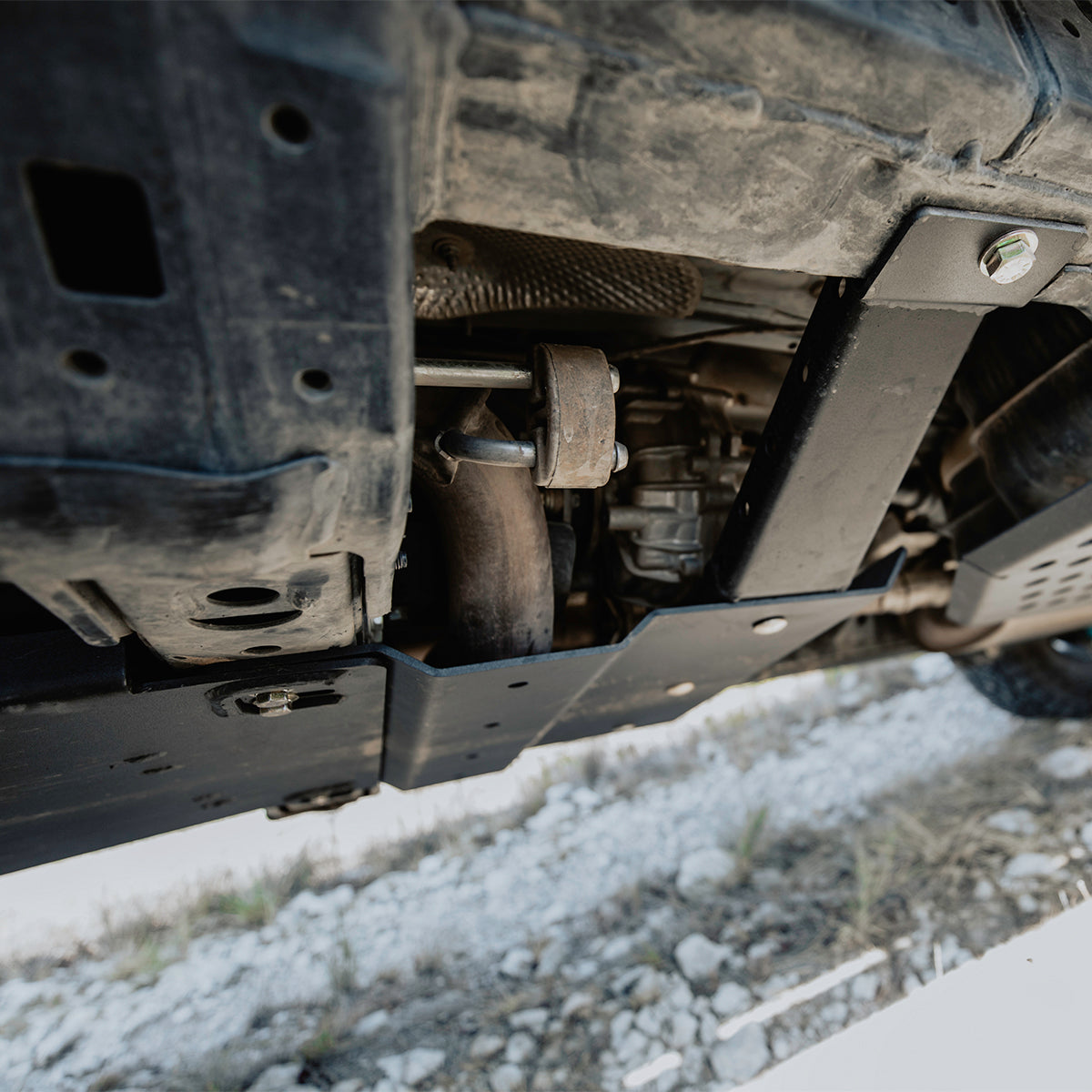
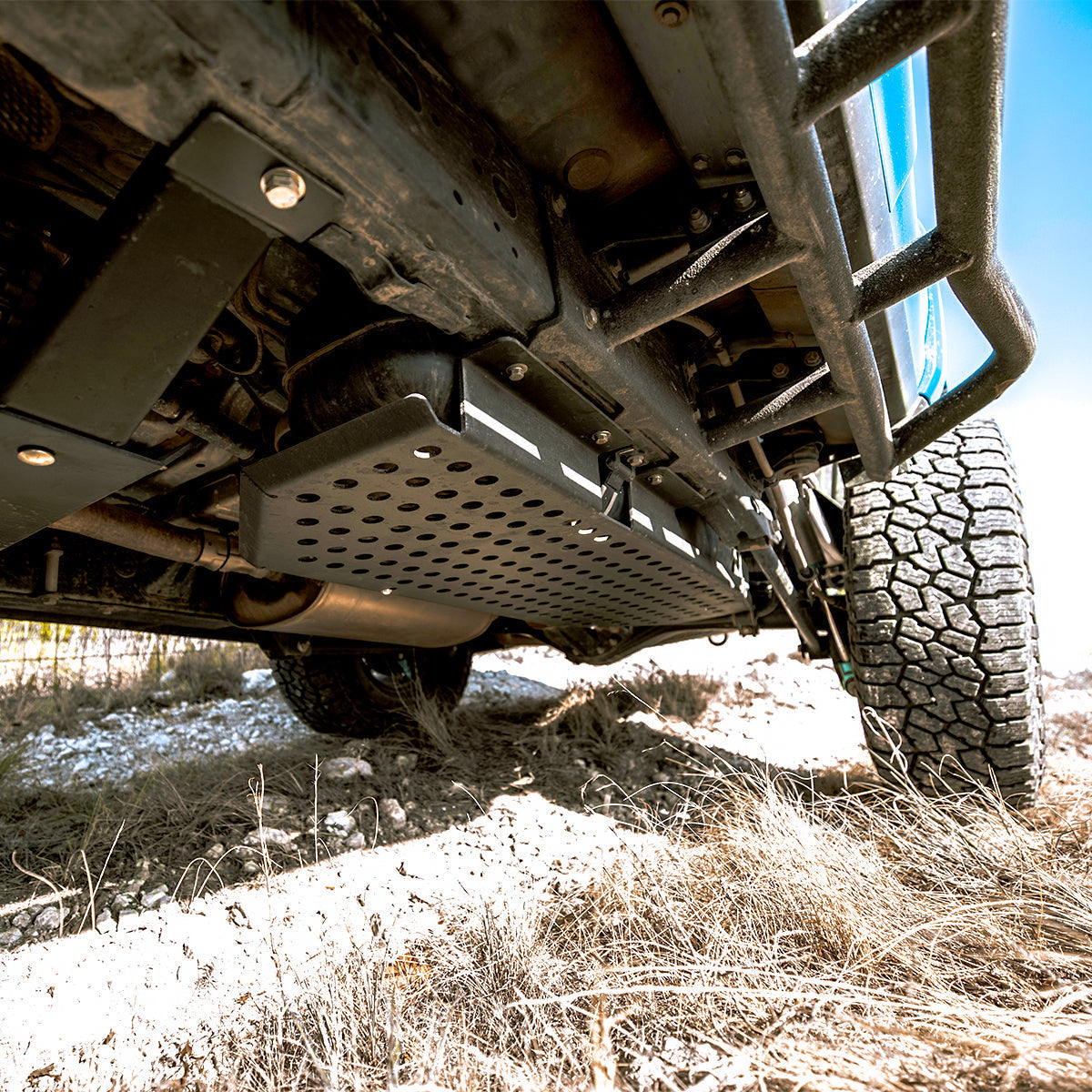
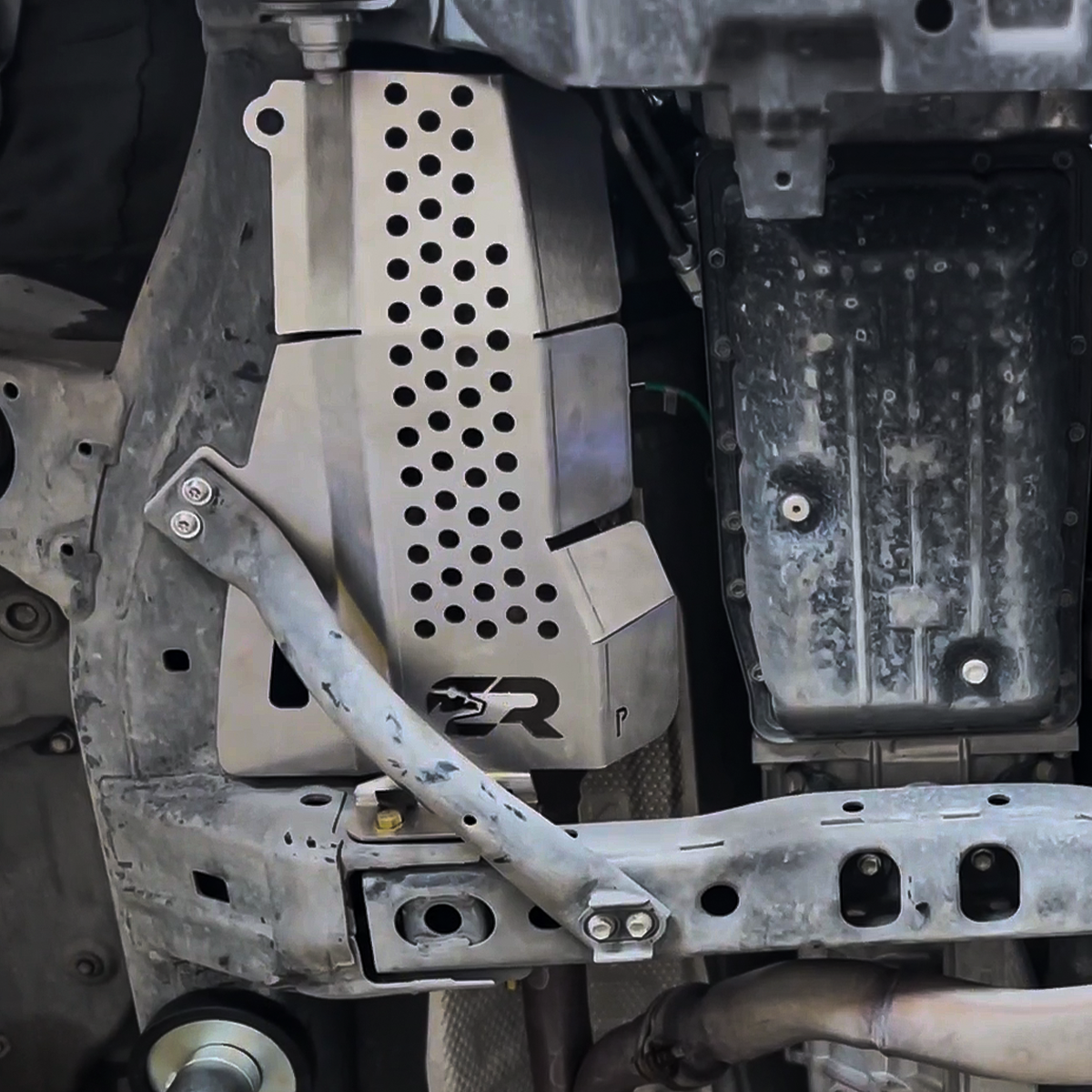
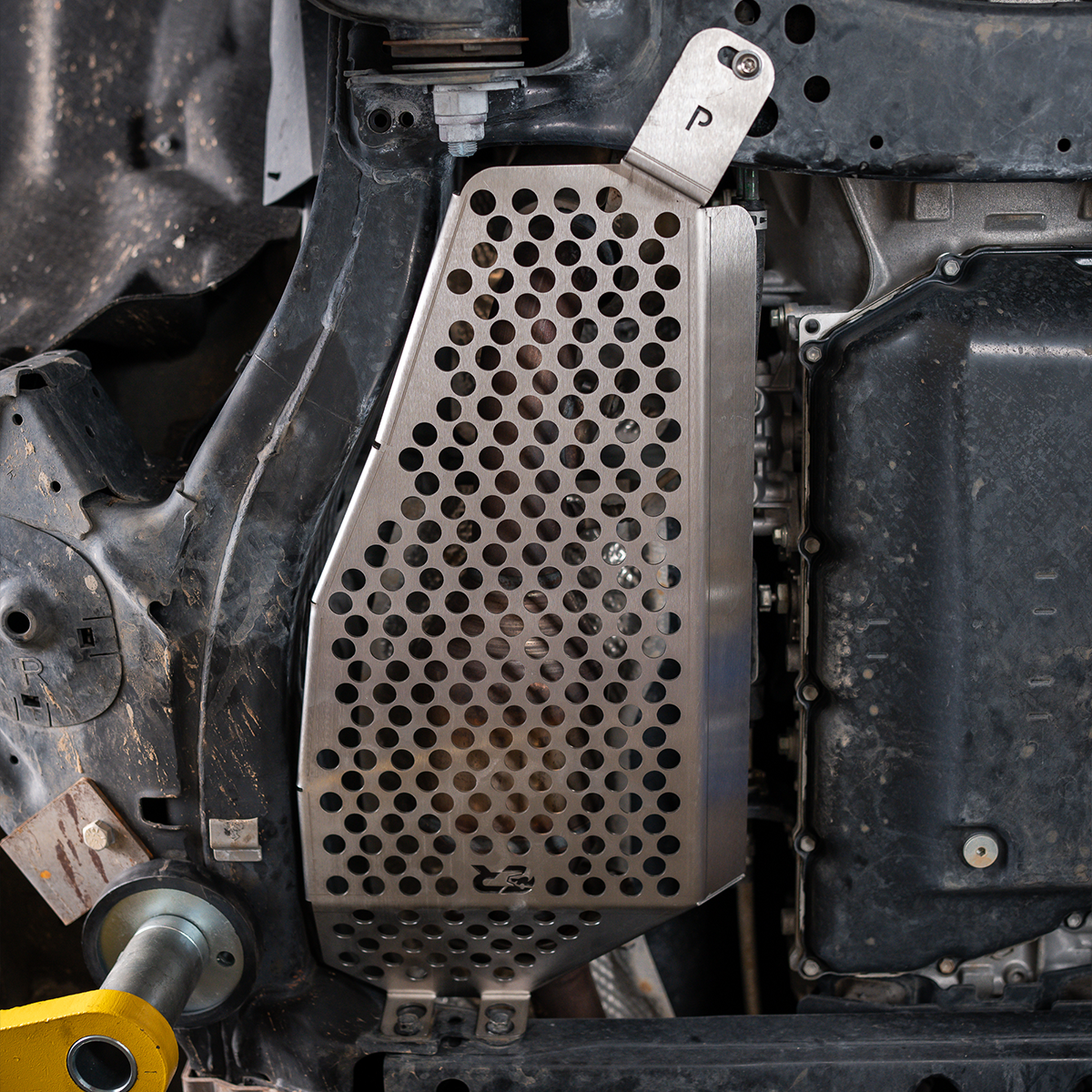
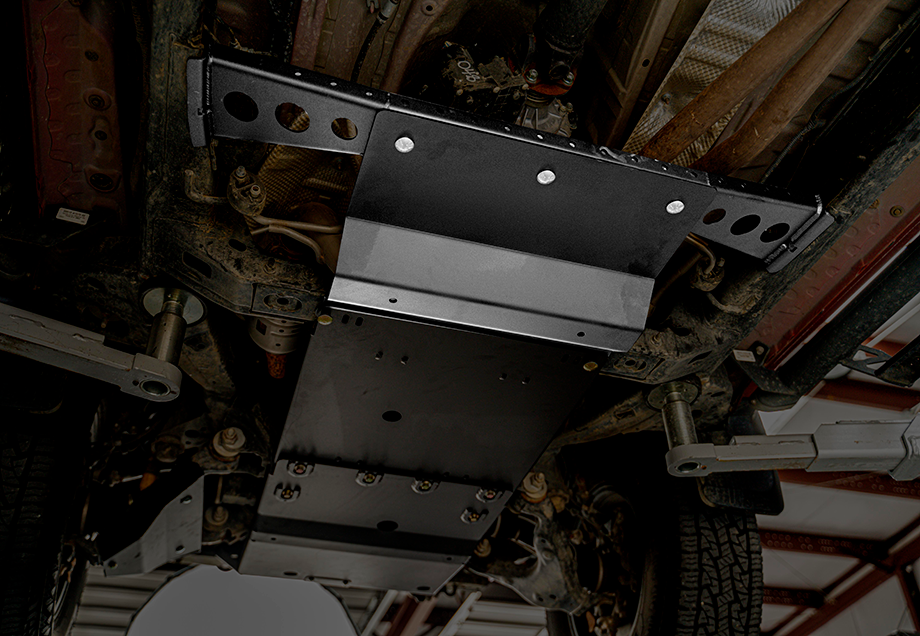
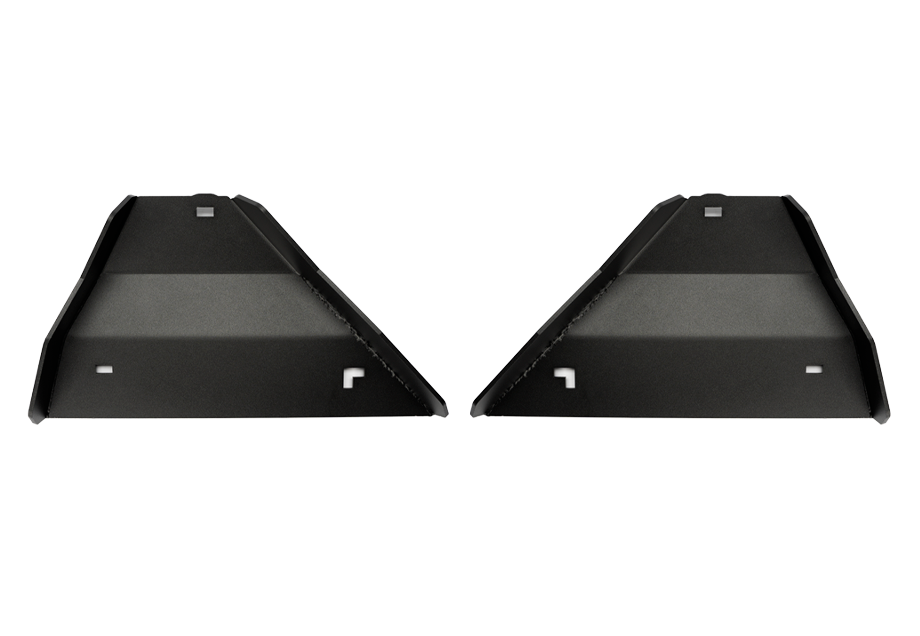
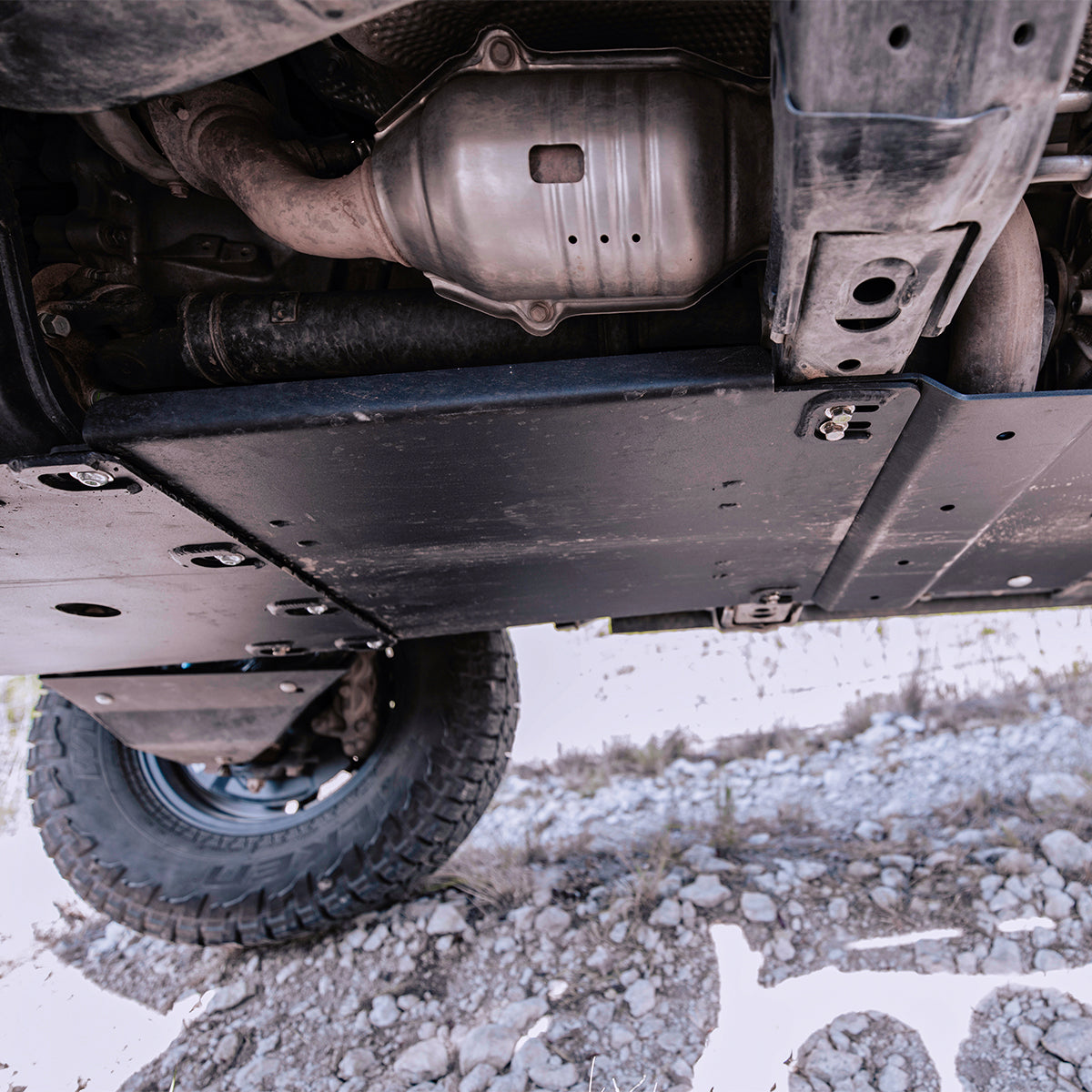
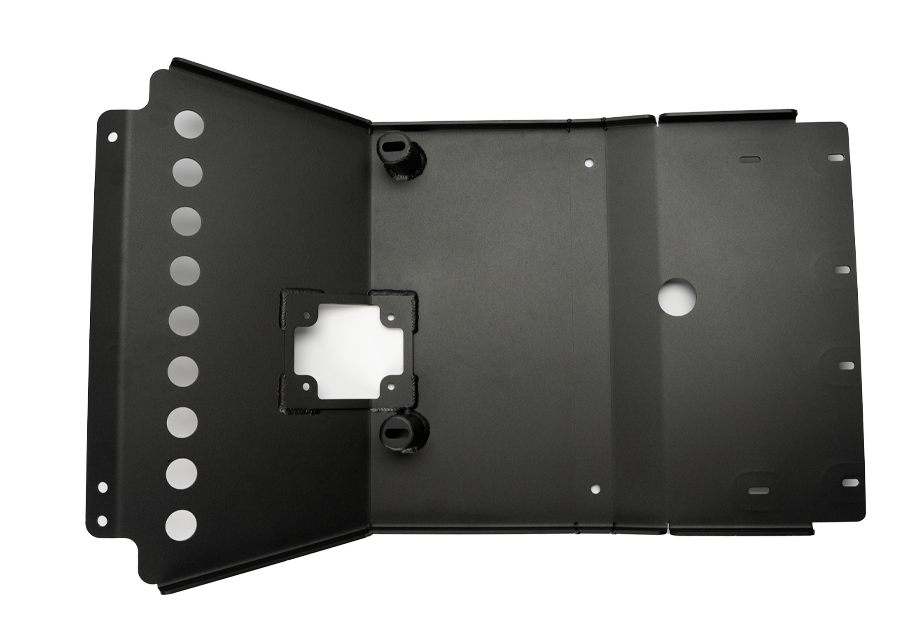
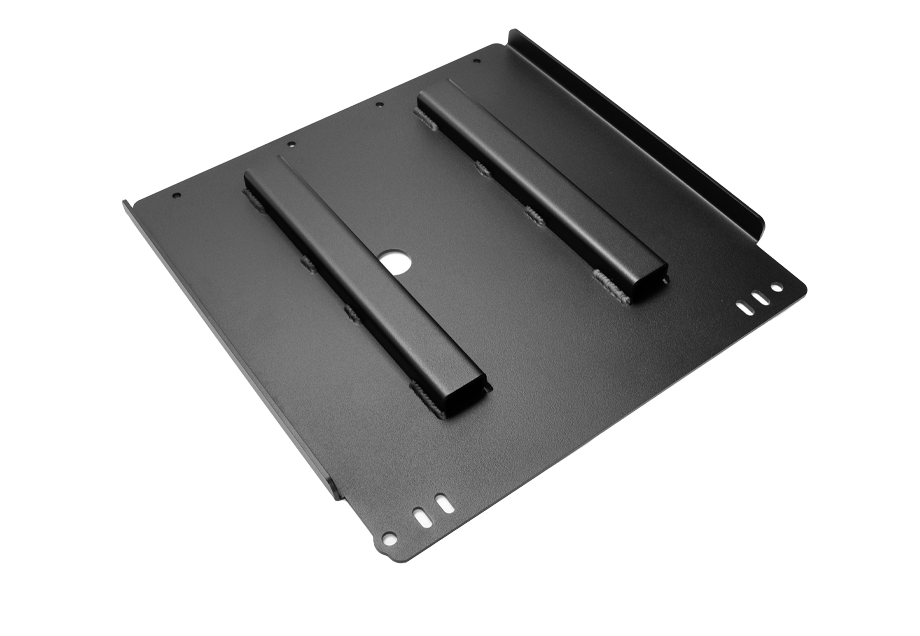
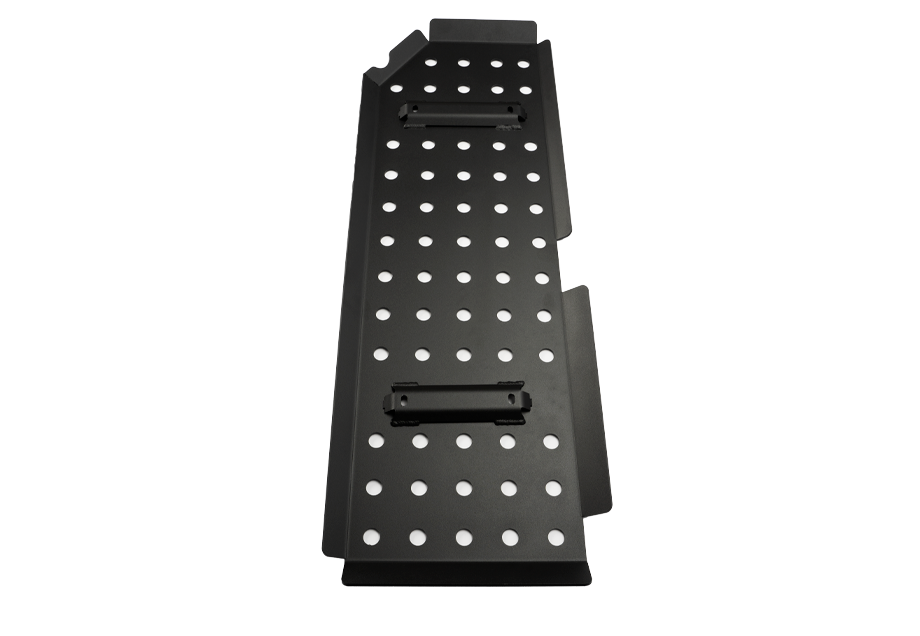
Body armor protects the vertical sheet metal — fenders, corners, and bedsides — from brush, rock strikes, and trail rash, while skid plates shield the drivetrain and undercarriage below. Most builds want both: armor keeps panels straight and resale intact, skids keep you moving when the belly drags. Start with whichever surface your terrain punishes first.
Is steel or aluminum body armor better?
Aluminum is the usual pick for body armor because these panels are protective, not structural, and every pound bolted high on the body works against your suspension. Steel makes sense where you expect repeated hard contact and want field-weldable repairs. For most overland and trail builds, aluminum panels save weight your front springs will thank you for.
Does body armor bolt on or require drilling?
Most body armor bolts to factory holes, though many fender and corner pieces require drilling into sheet metal or removing trim. Vehicle-specific armor is designed for your exact panel contours, so it lands flush without cut-and-fit guesswork. Filter by year, make, and model and check the listing for whether drilling is involved before you order.
What body armor should I add first?
Rock sliders are the first piece most trucks should get, since rockers sit low, crease easily, and cost the most to repair. After that, skid plates protect the drivetrain, and fender or corner armor handles brush and low-speed rock contact. Prioritize by what your terrain actually threatens rather than covering every panel at once.
