





Driveline Components
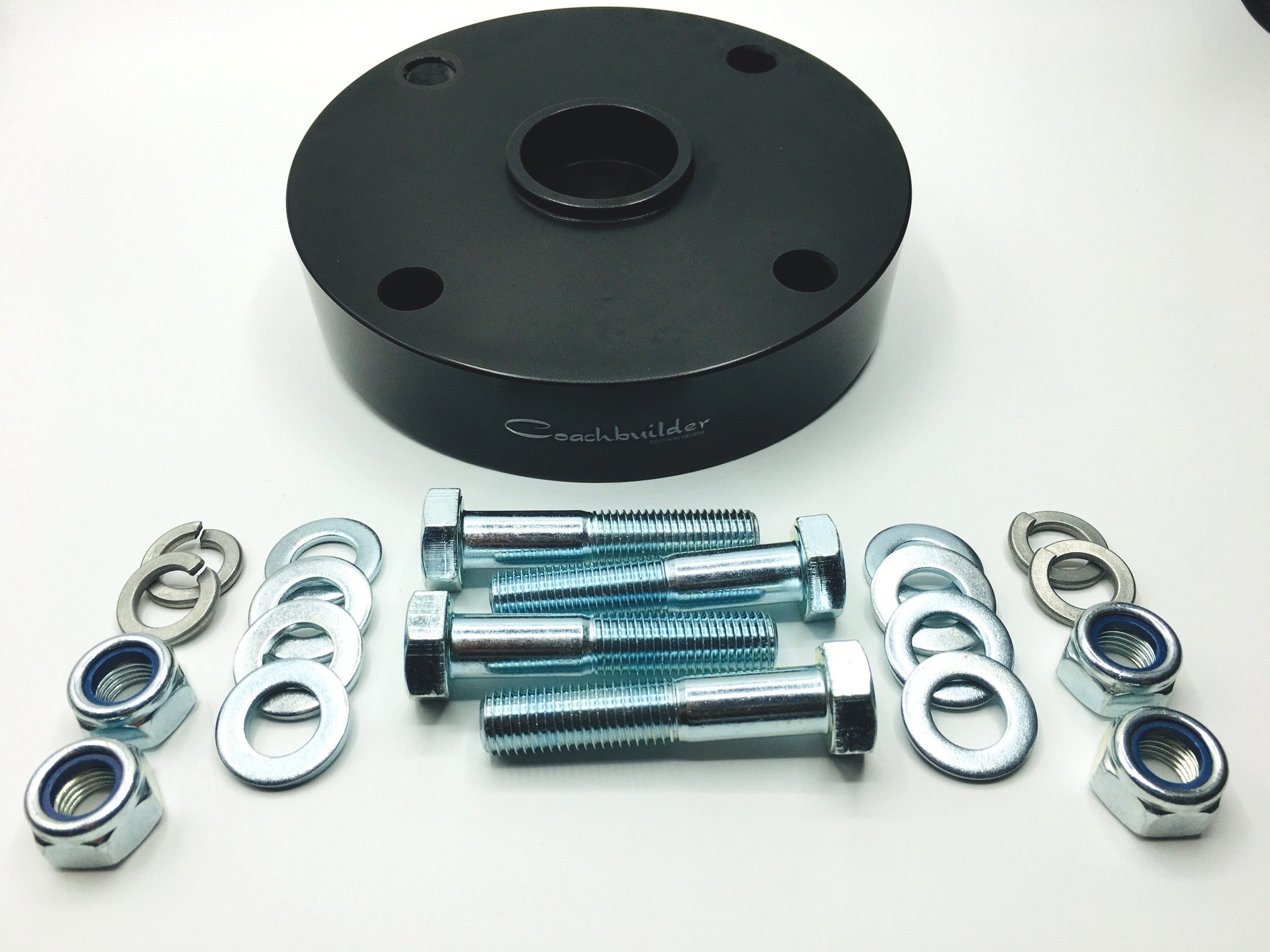
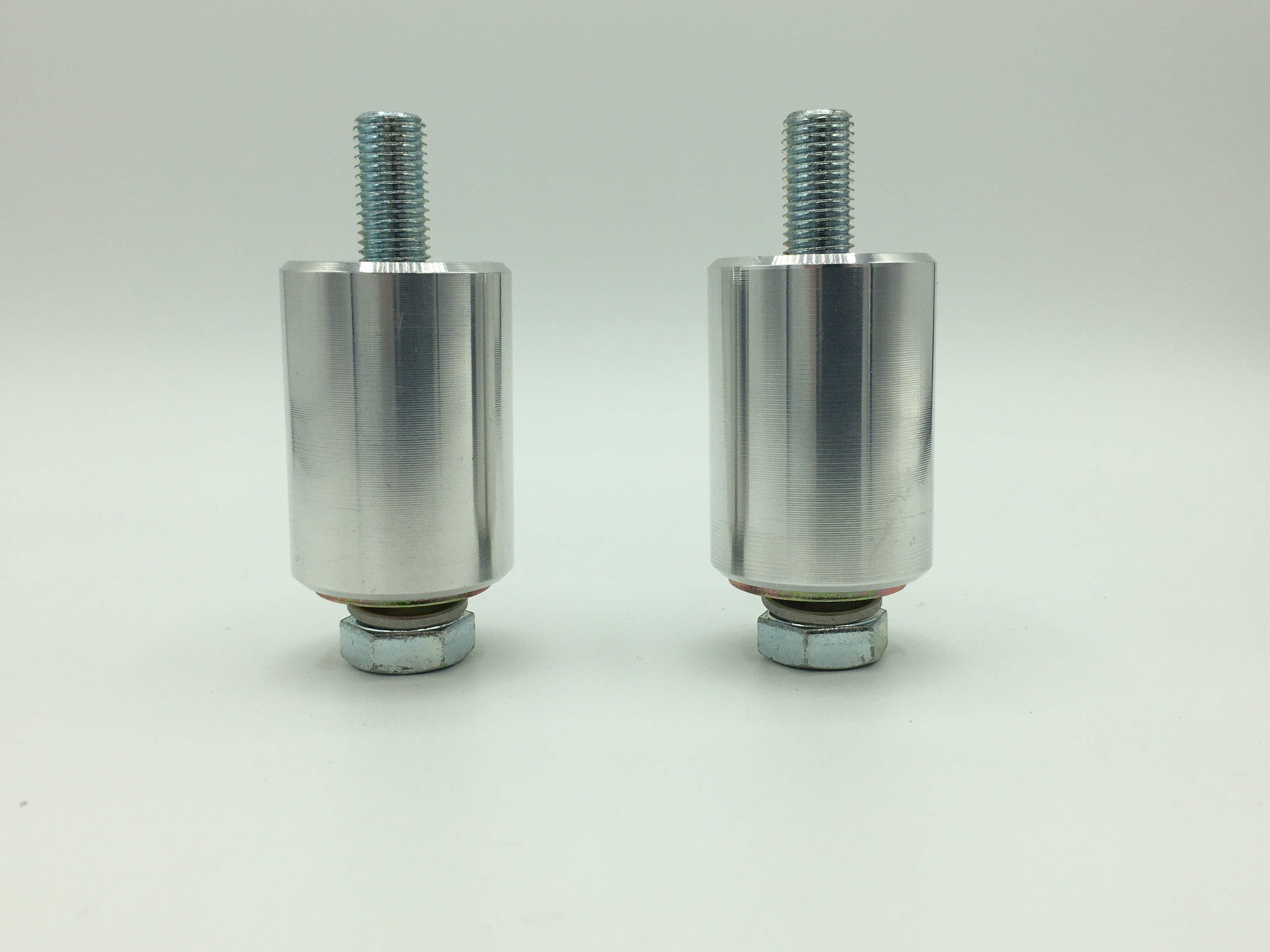
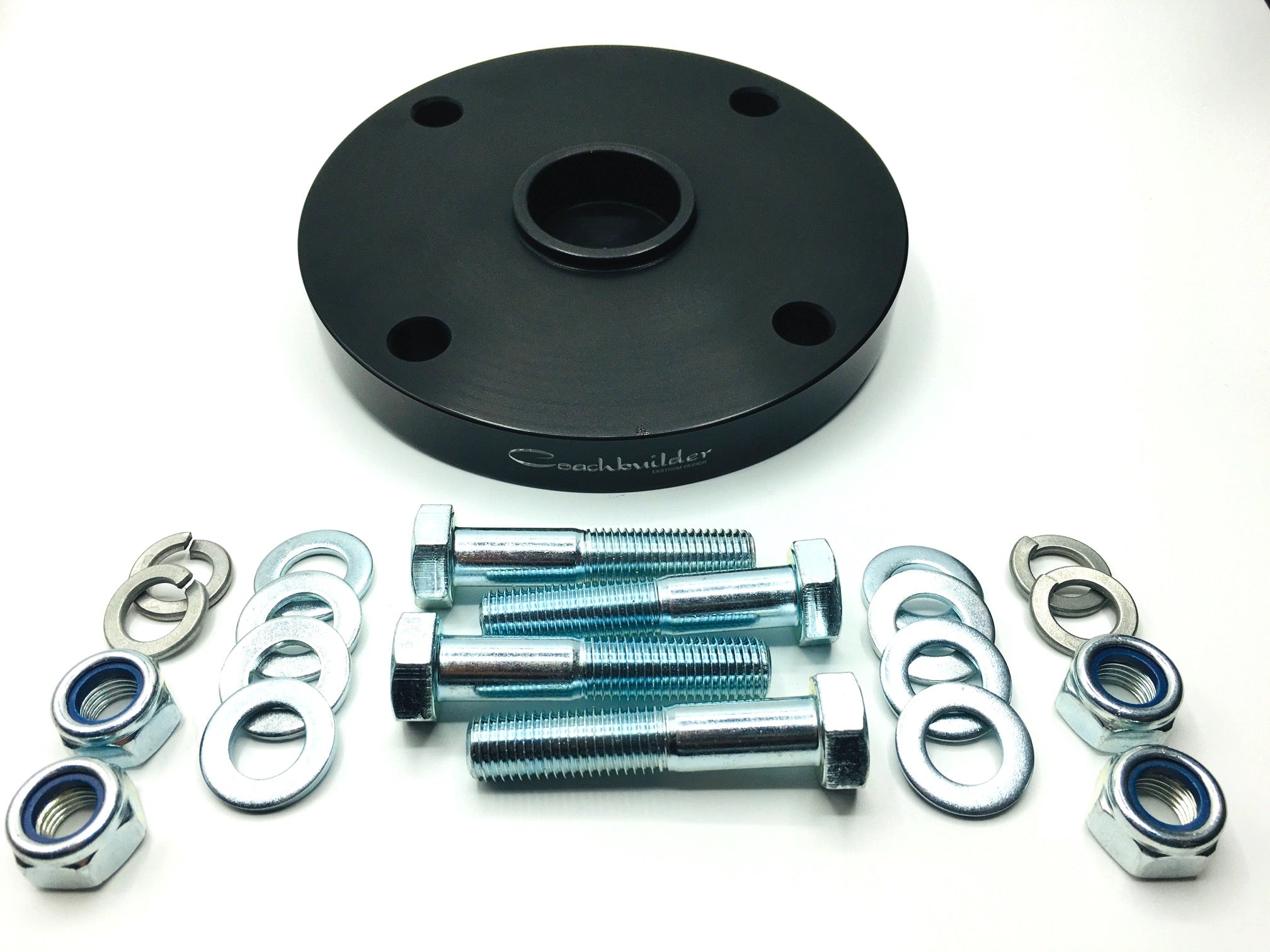
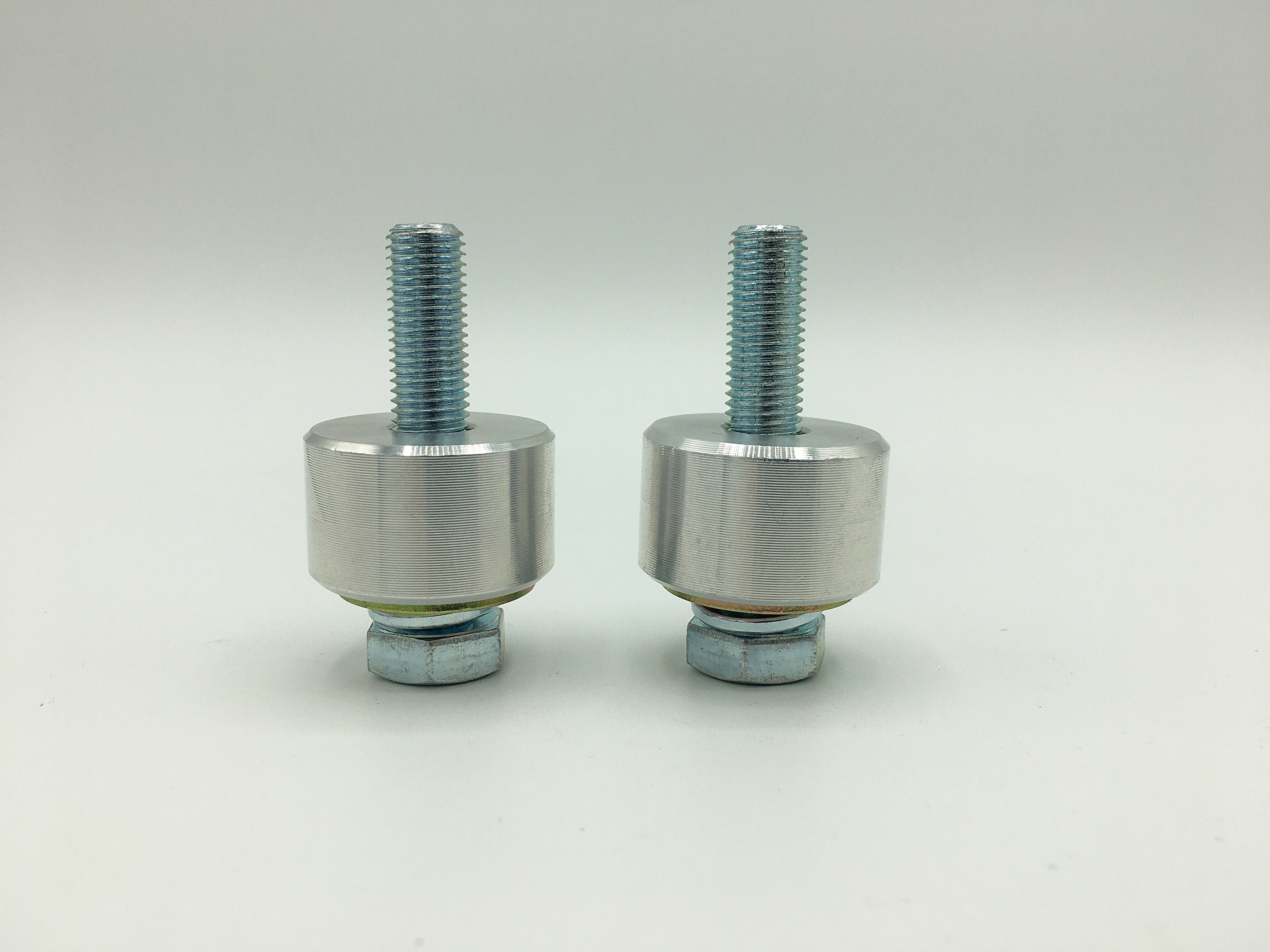
Driveline components are the parts that keep a driveshaft turning true — U-joints, slip yokes, carrier bearings, flanges, and the hardware that ties them together. On a lifted truck the driveshaft runs at steeper angles, so these wear parts see more load and need to be in good shape. This collection sits under Driveshafts; match components to your shaft and driveline angle for smooth, vibration-free power delivery.
Driveline Components FAQs
What are driveline components?
Driveline components are the individual parts of a driveshaft assembly — U-joints, slip yokes, carrier (center) bearings, flanges, and the bolts and straps that connect them. They transmit power from the transfer case or transmission to the axle while allowing for suspension movement. As wear items, they are serviced or replaced individually, which is cheaper than swapping a full driveshaft when only one part is worn.
How do I know if a U-joint or carrier bearing is bad?
Listen and feel for it: a clunk when shifting into gear or a vibration that changes with speed usually points to a worn U-joint or failing carrier bearing. You may also find rust-colored dust around the U-joint caps or play when you twist the shaft by hand. Catch these early — a failed U-joint can drop the driveshaft and damage the underbody.
Do lifted trucks need driveline upgrades?
Often yes — a lift steepens driveshaft angles, which increases the working angle of the U-joints and can introduce vibration or accelerate wear. Depending on lift height you may need higher-angle or heavy-duty U-joints, a longer slip yoke, or a corrected driveline angle. If you add power or big tires, upgraded driveline parts help handle the extra torque without premature failure.
Can I replace driveline parts myself?
Many driveline parts are DIY-friendly with basic tools — U-joints, straps, and flange bolts are common home-garage jobs. Pressing U-joints cleanly and indexing the shaft correctly matters, though; a poorly seated joint or a shaft assembled out of phase causes vibration. If you lack a press or are chasing a driveline vibration, a driveshaft shop can balance and phase the assembly properly.
