





Goose Gear: Toyota 4Runner
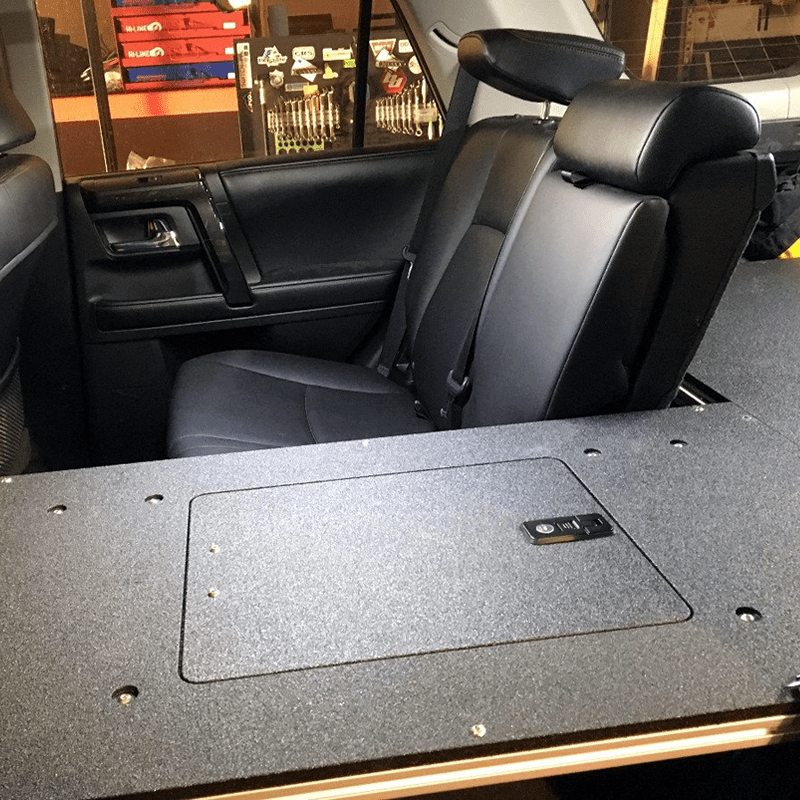
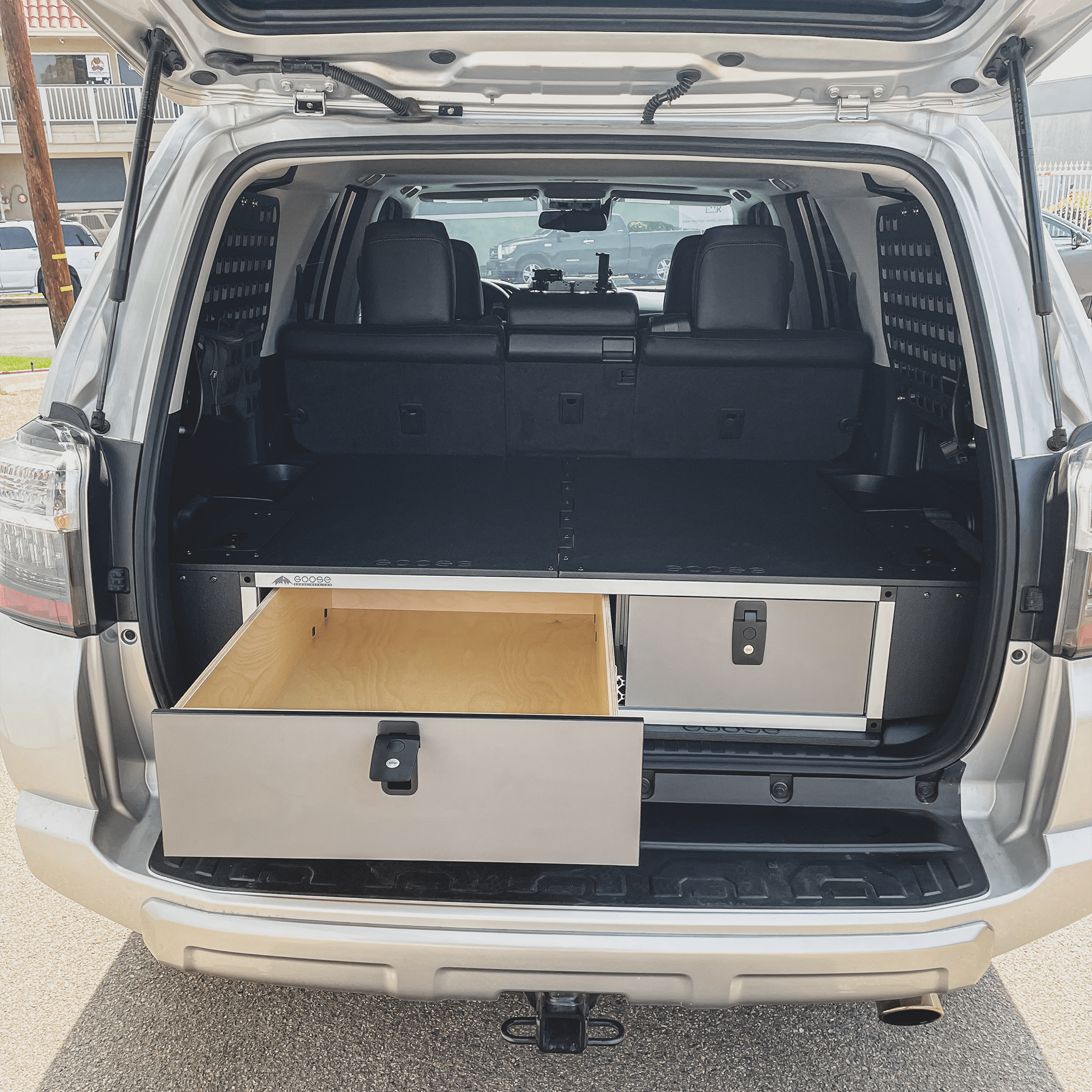
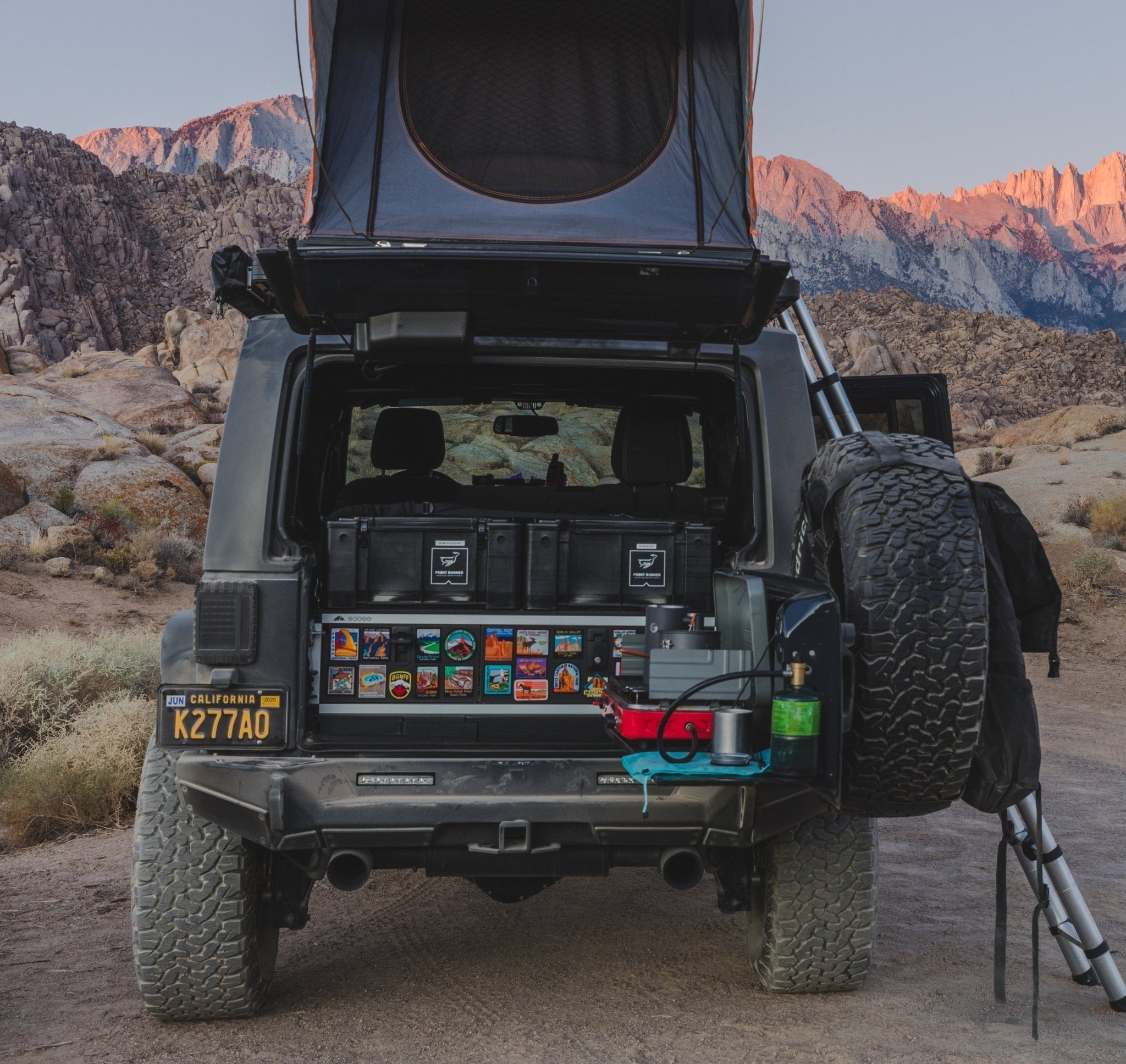
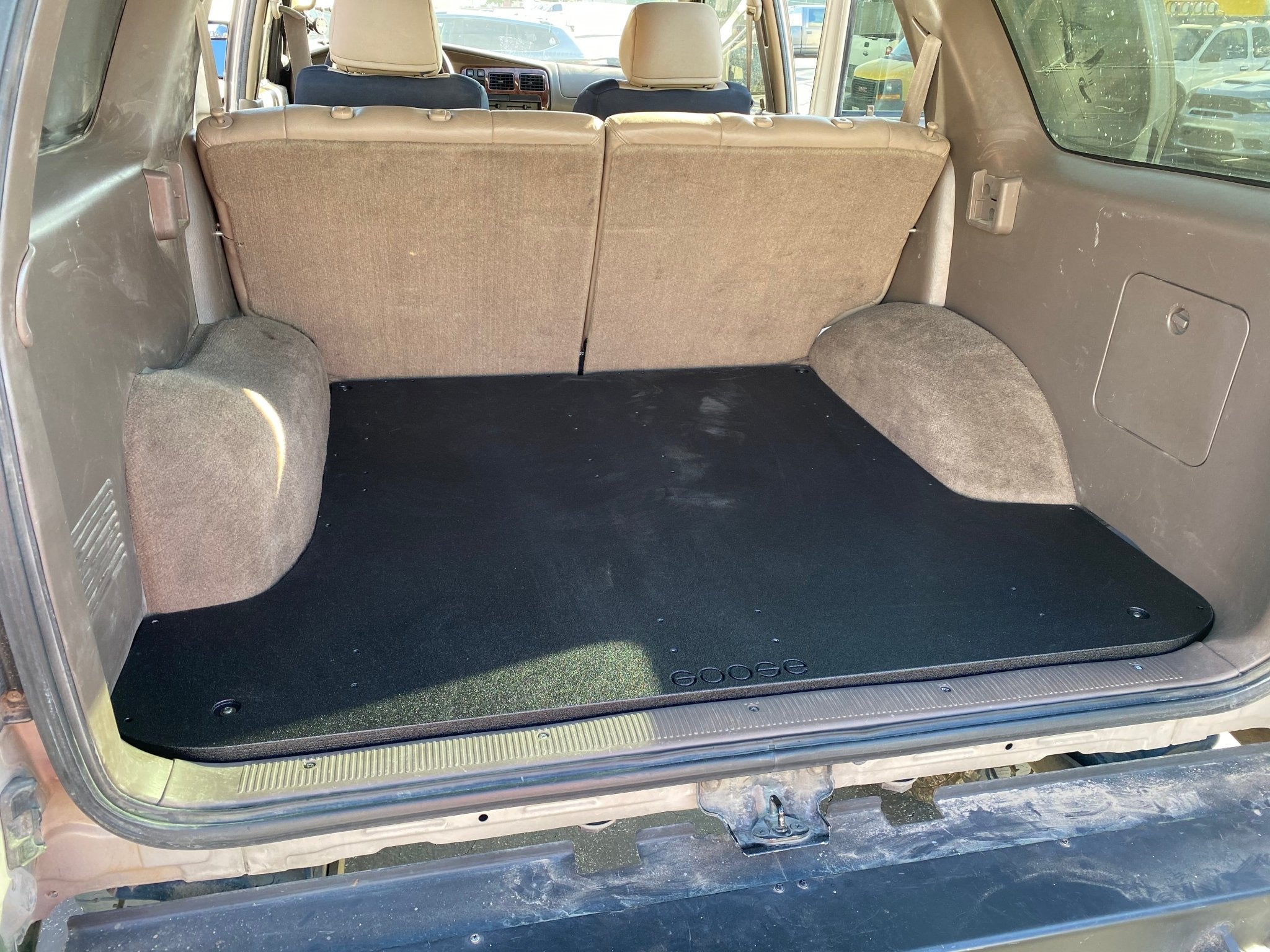
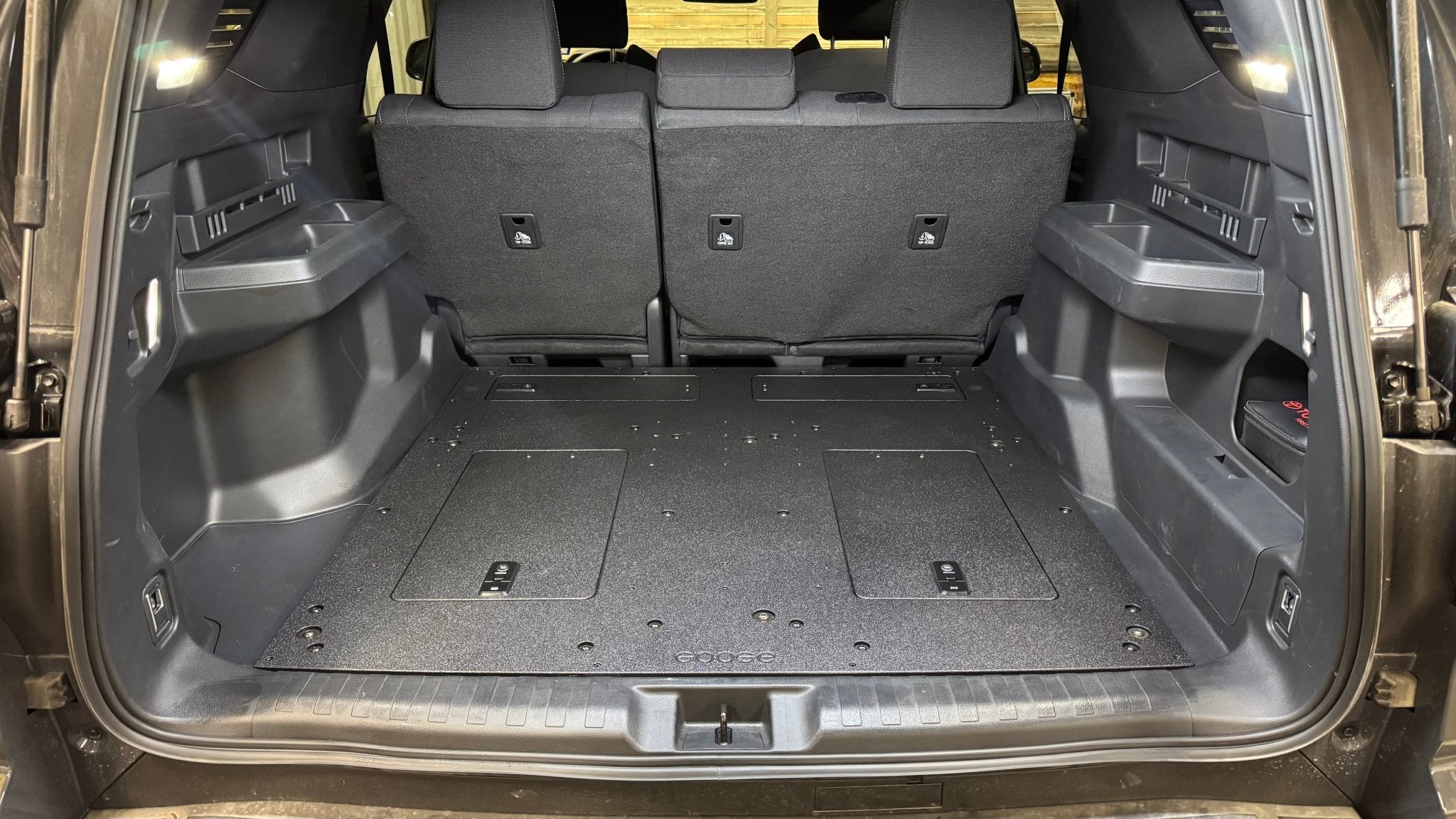
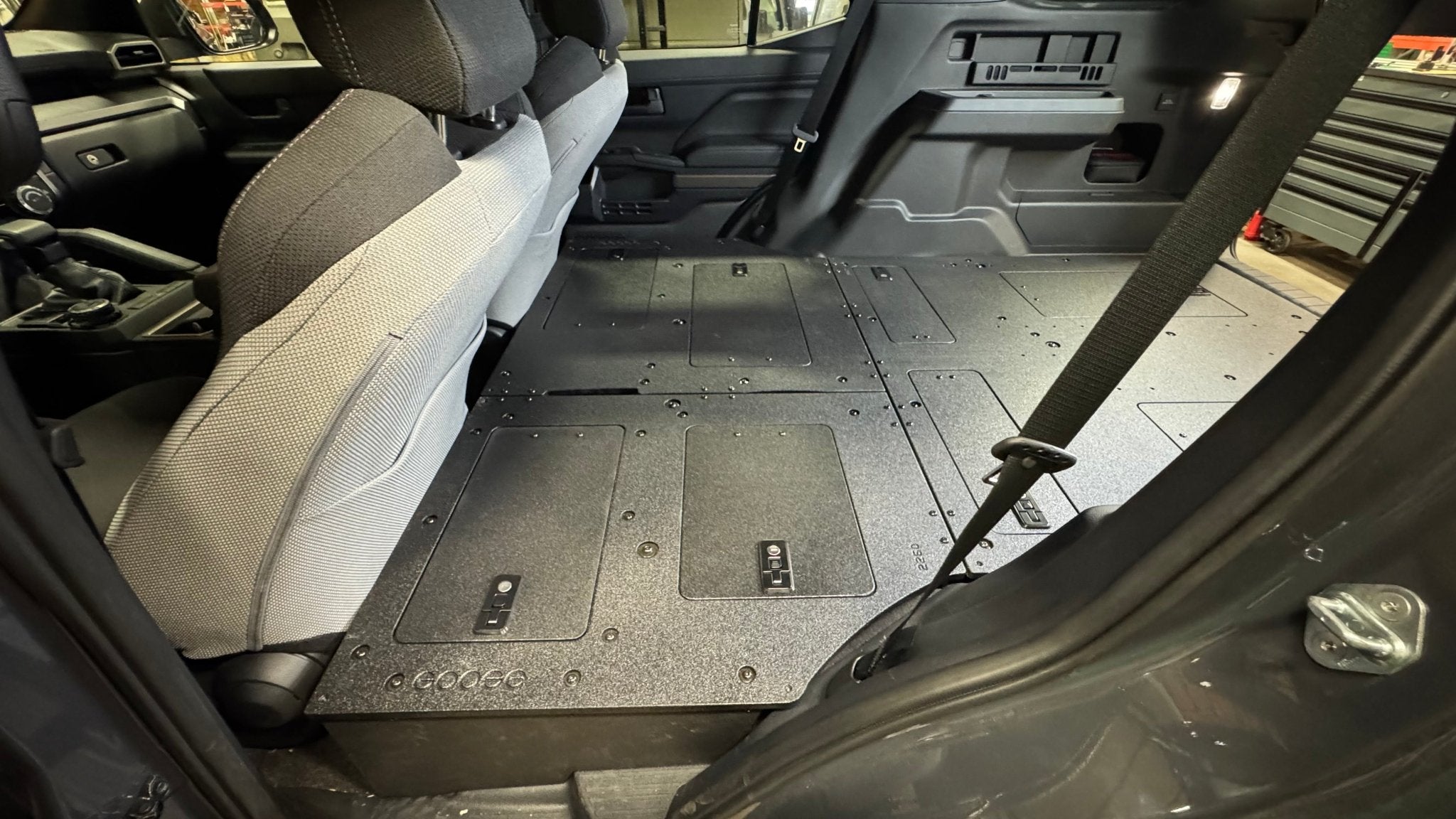
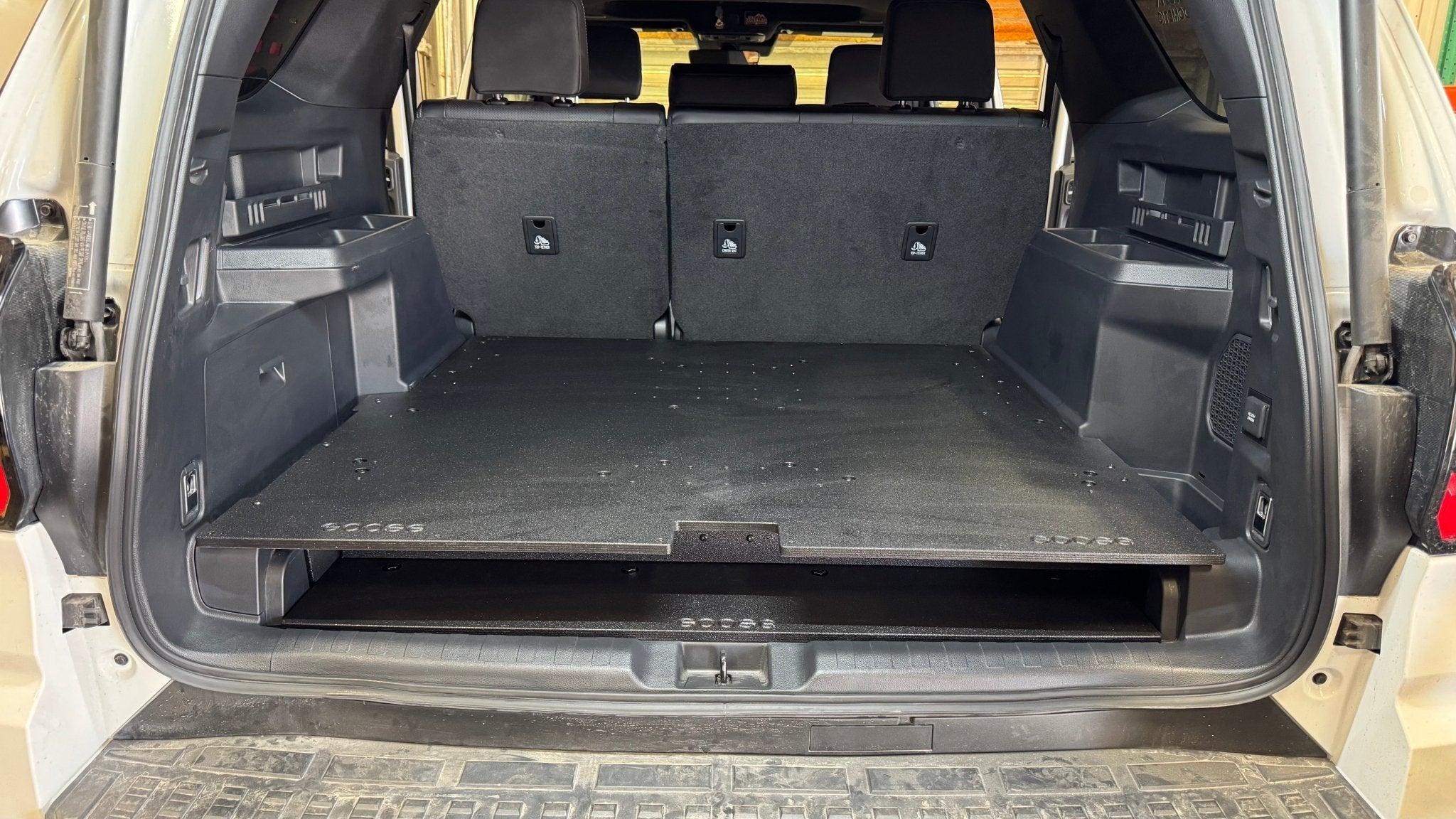
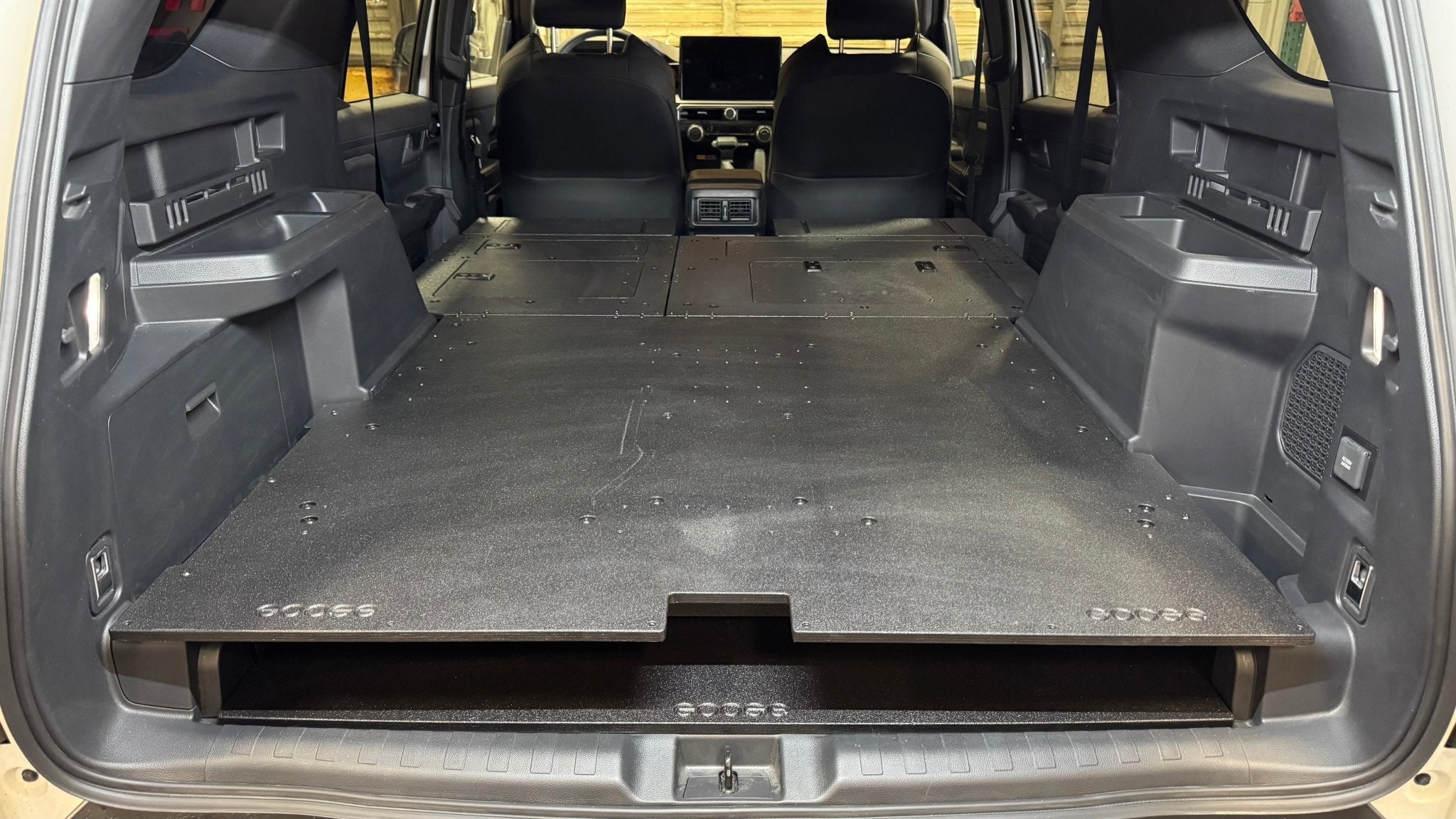
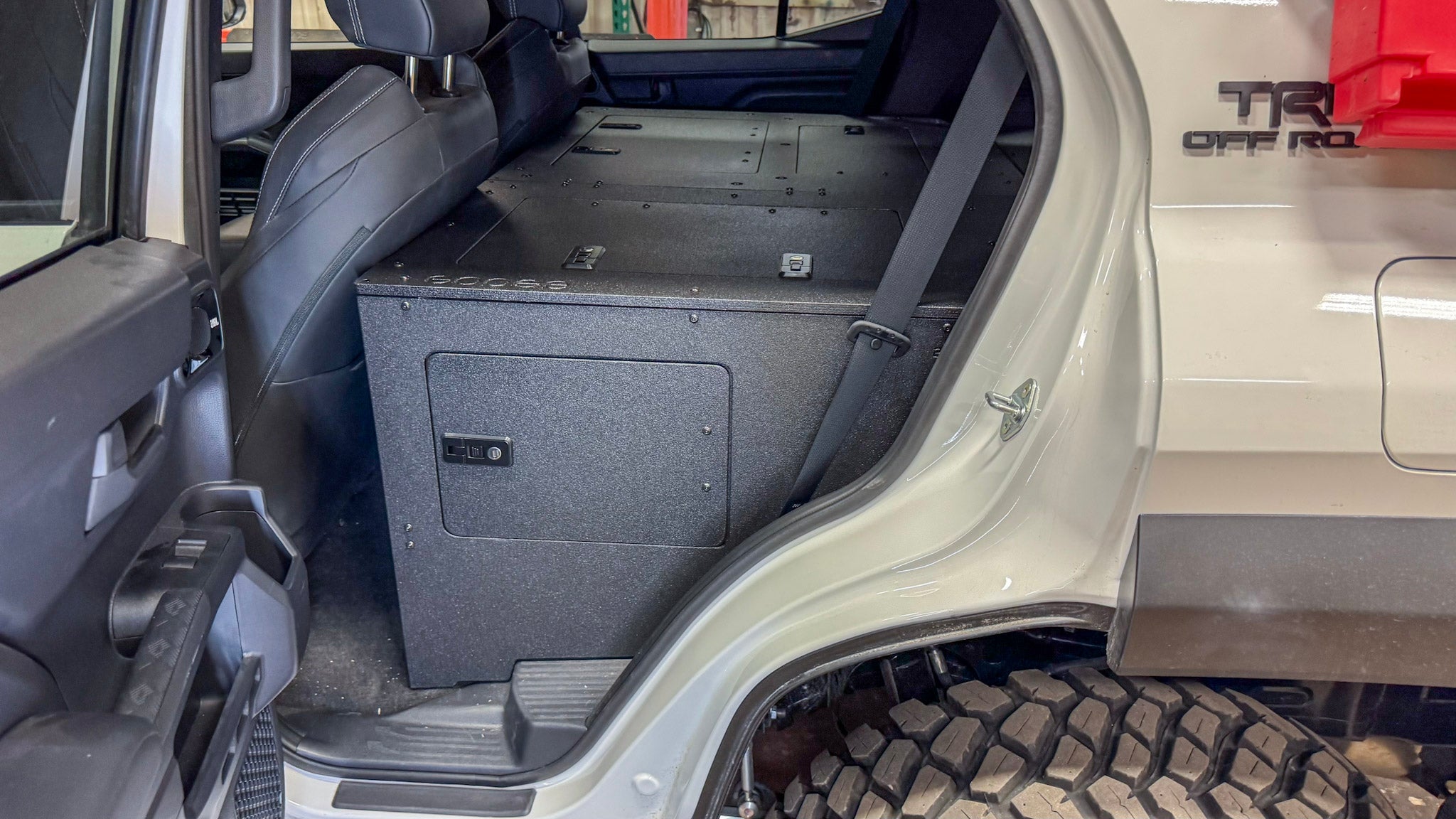
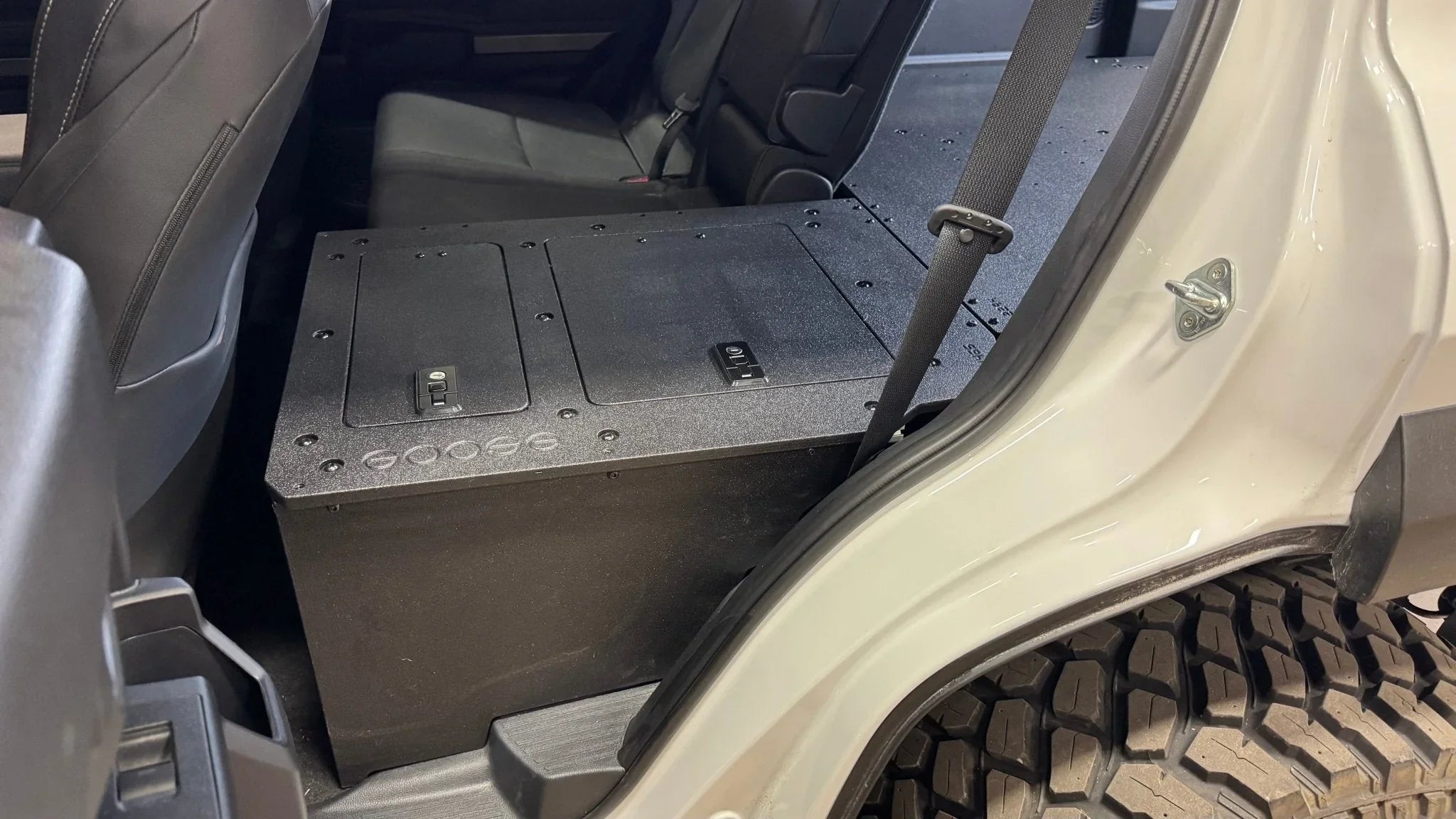
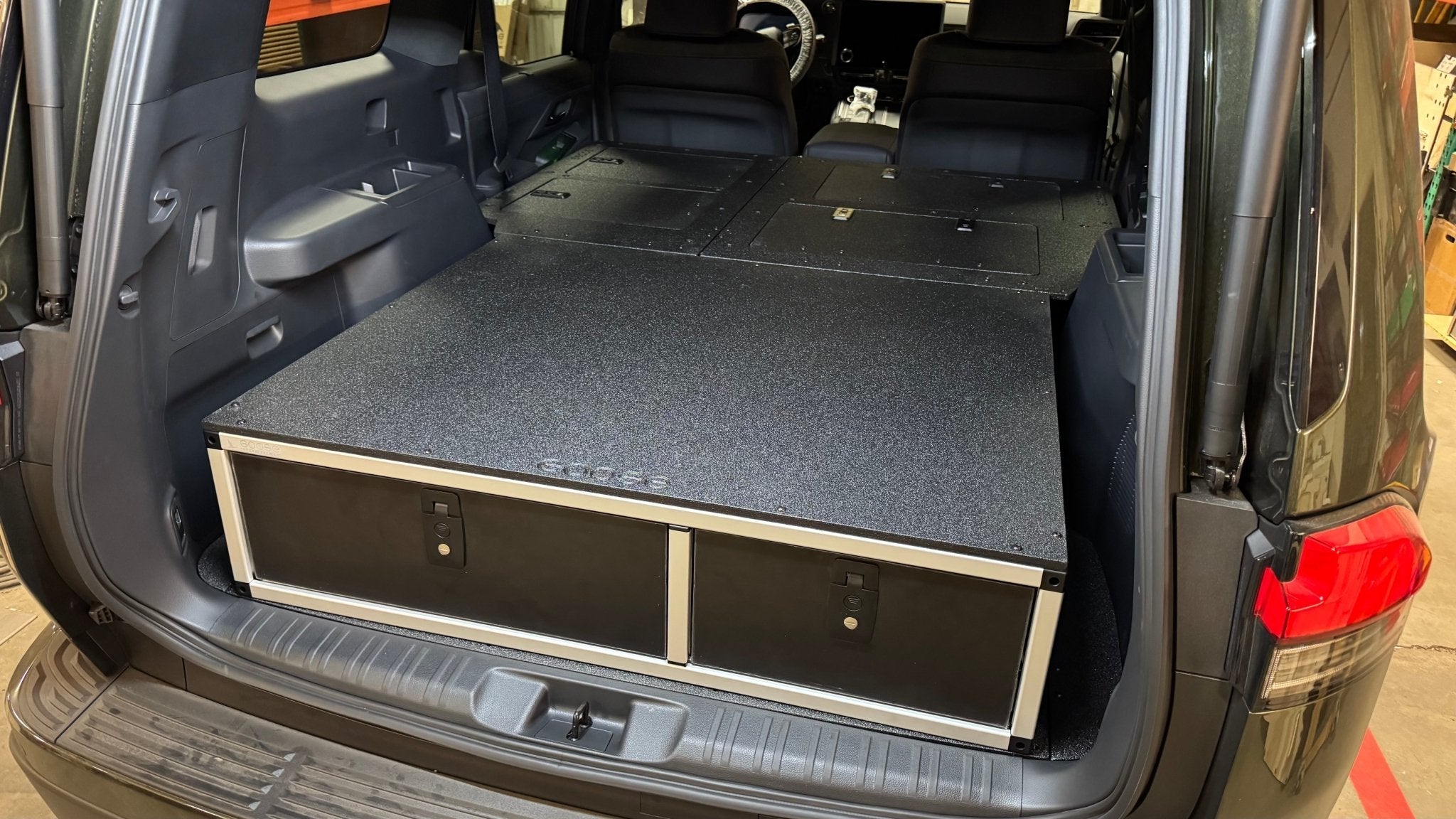
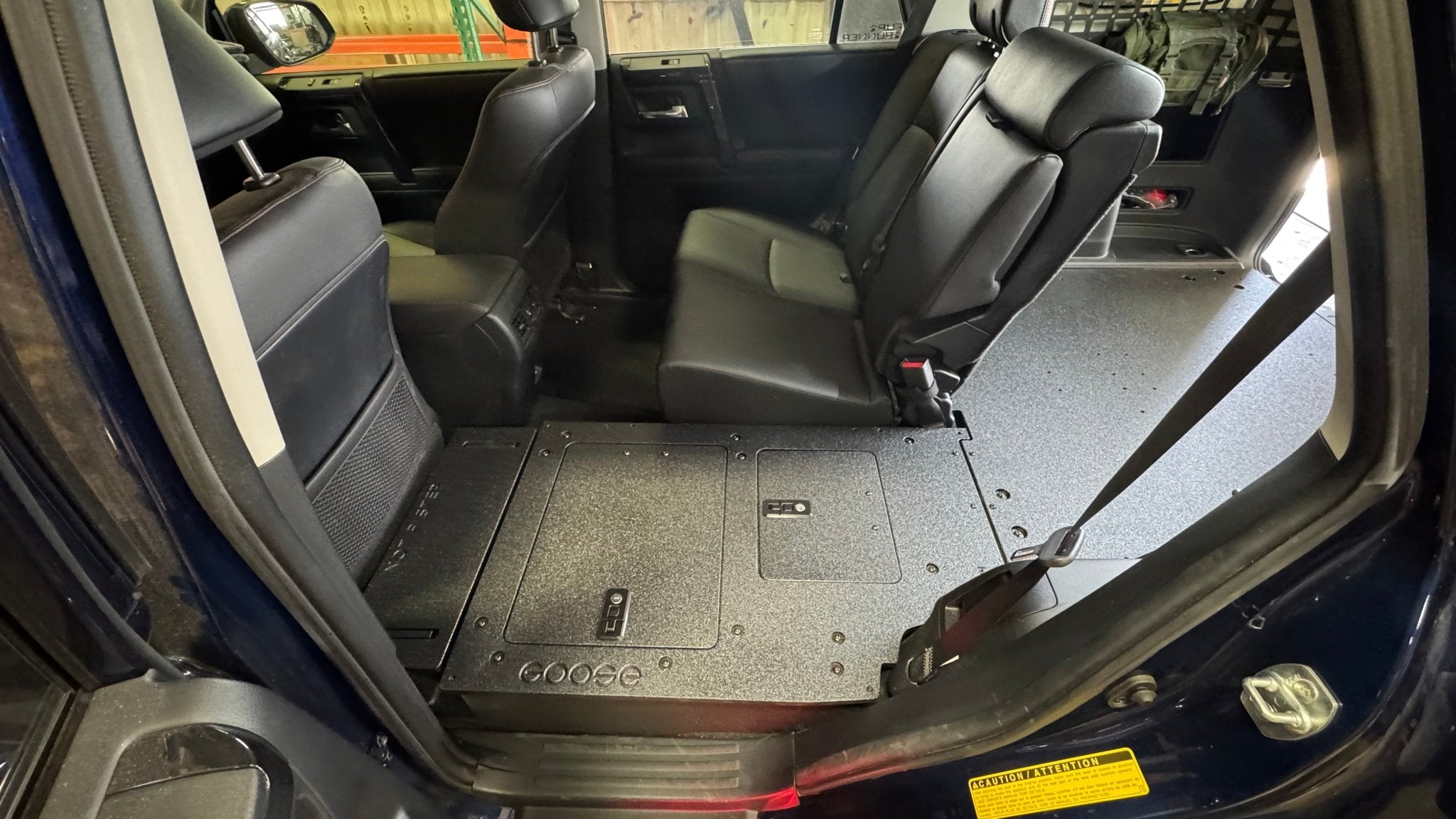
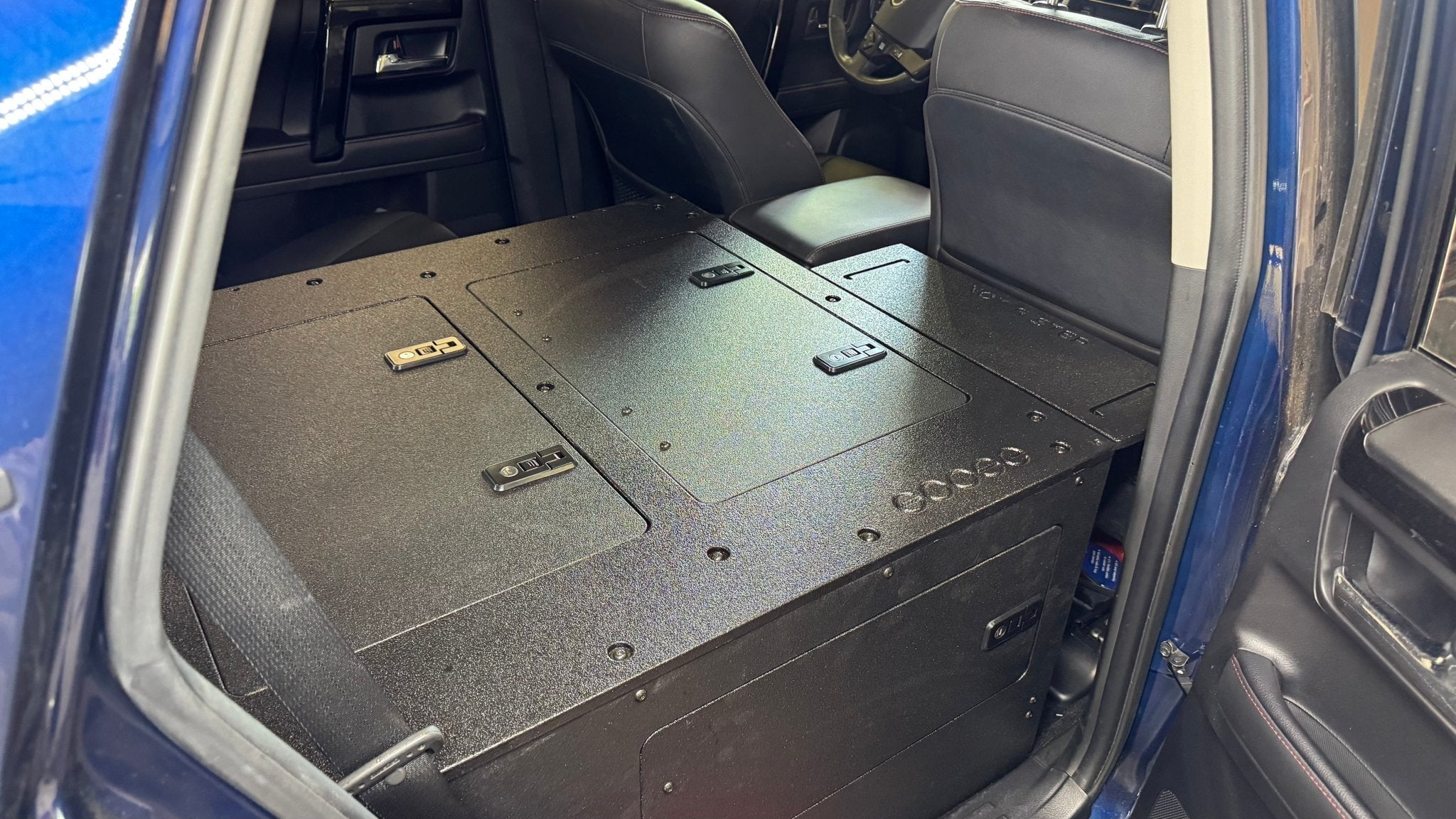
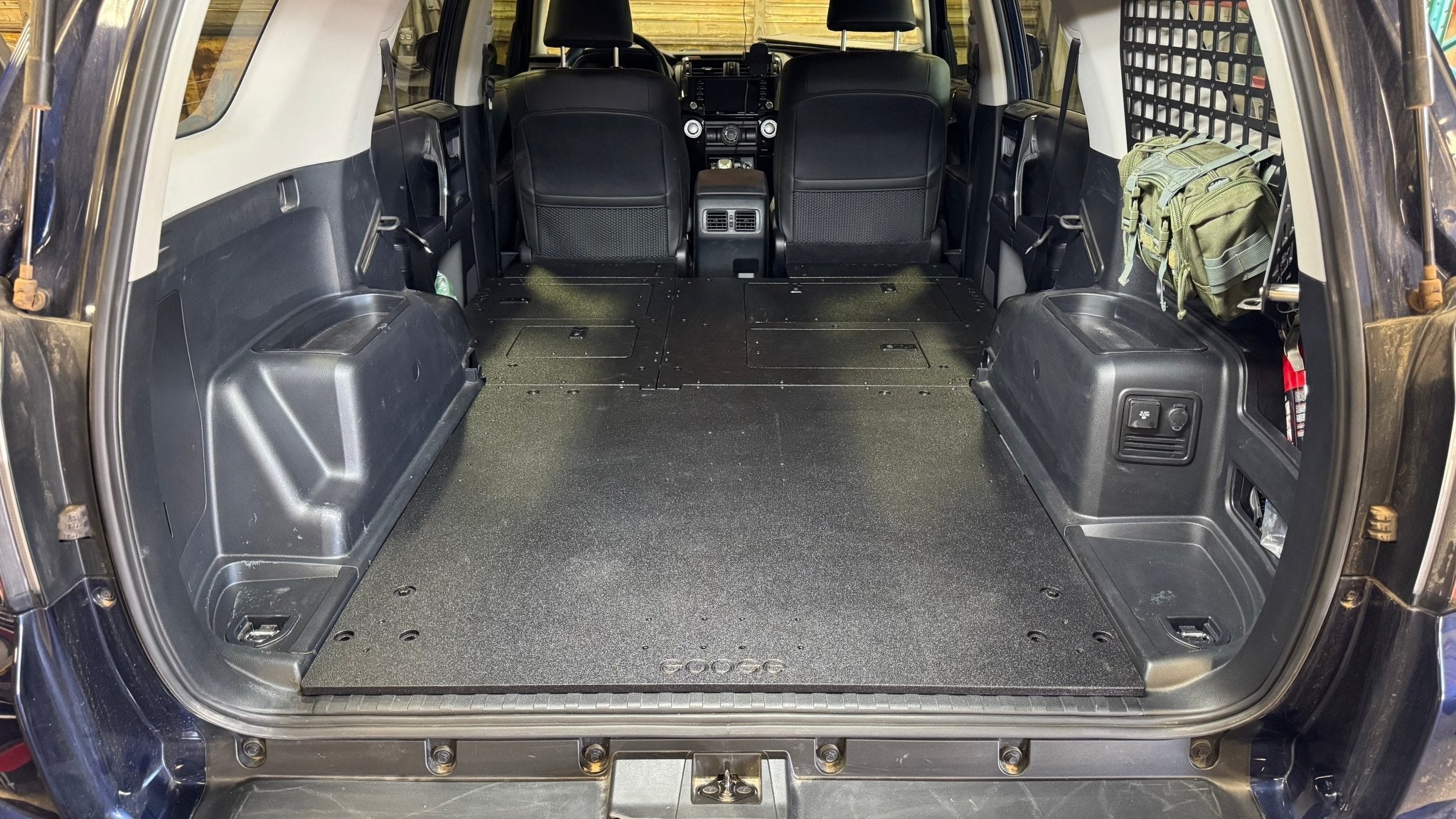
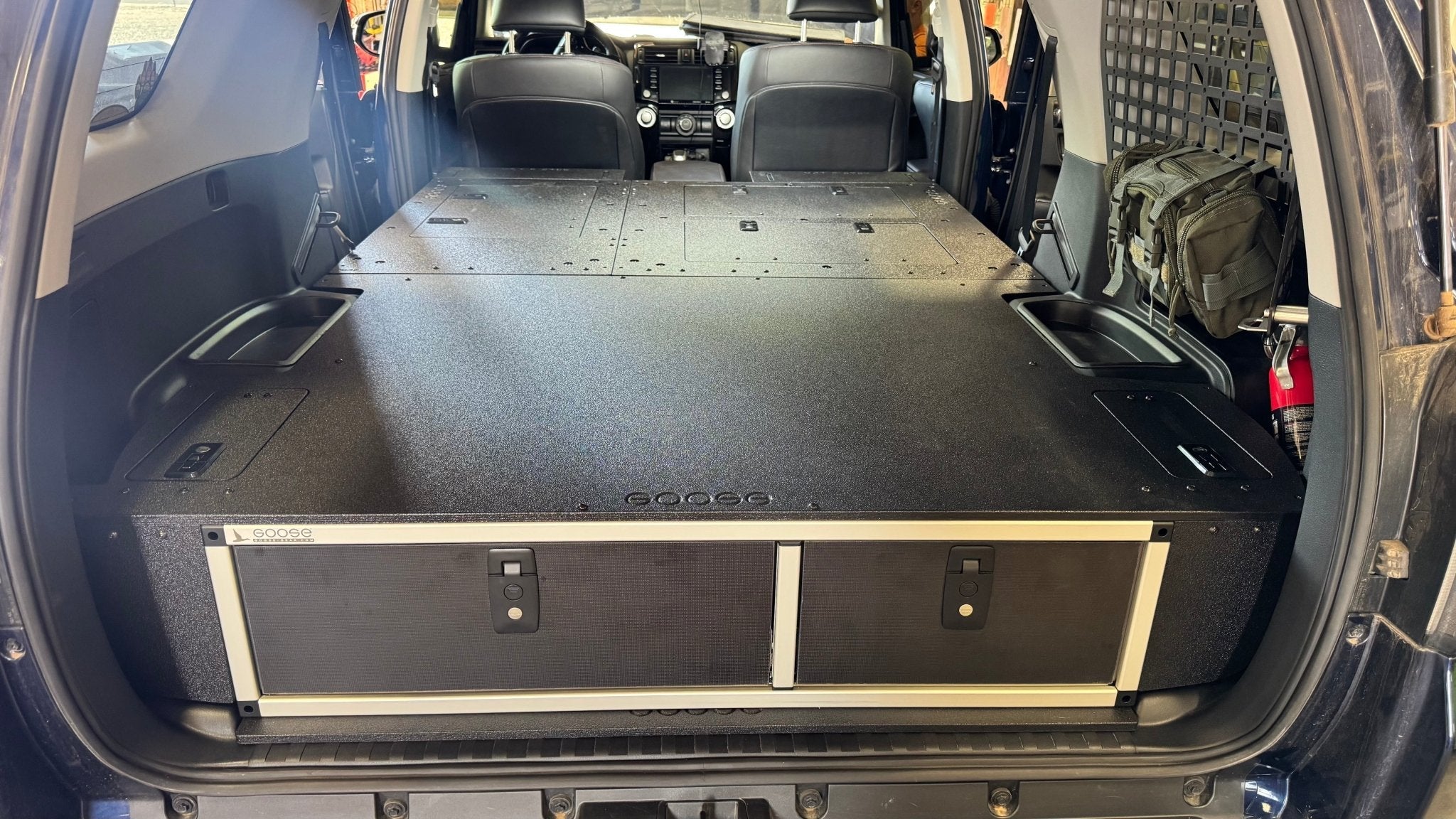
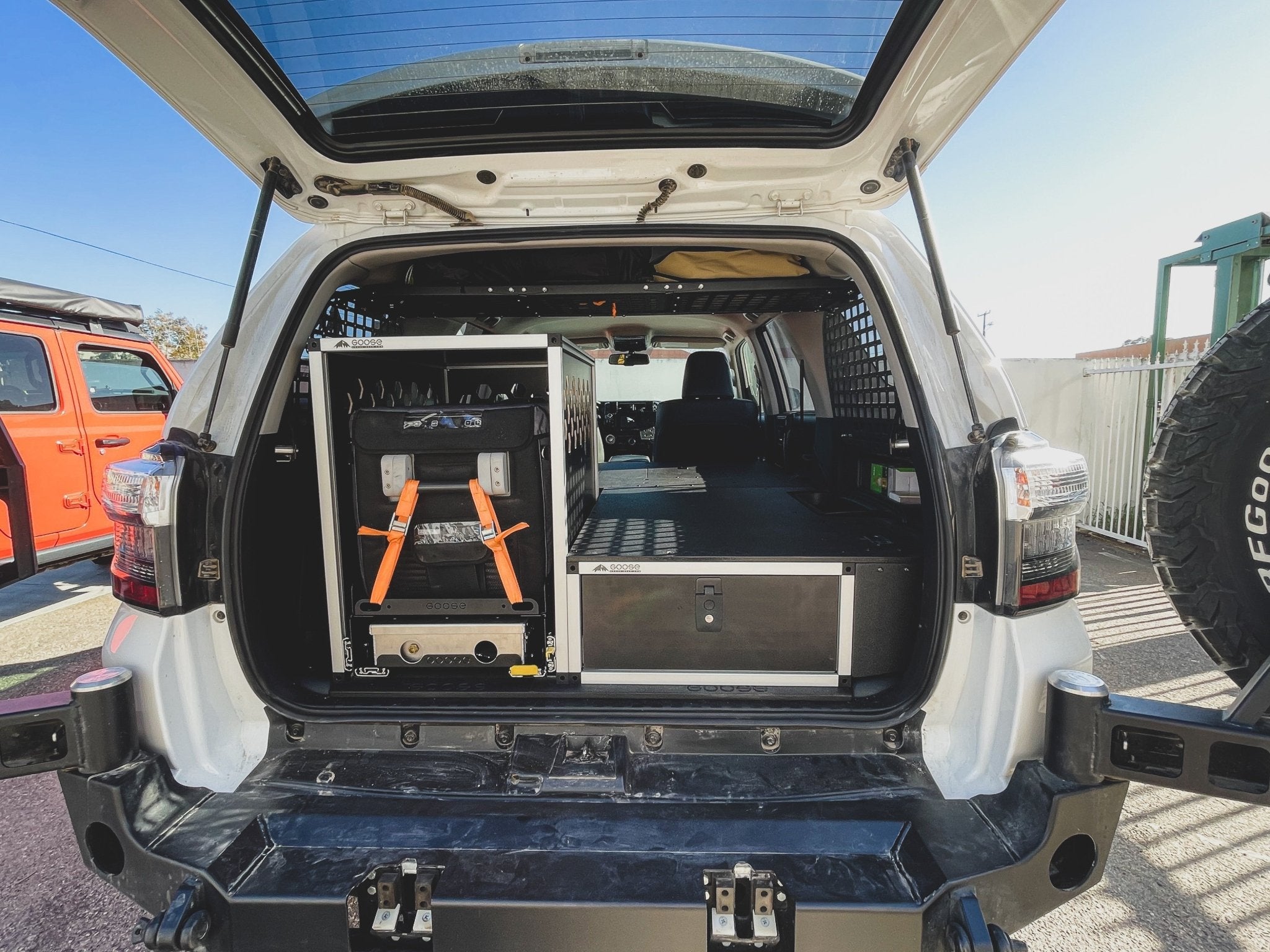
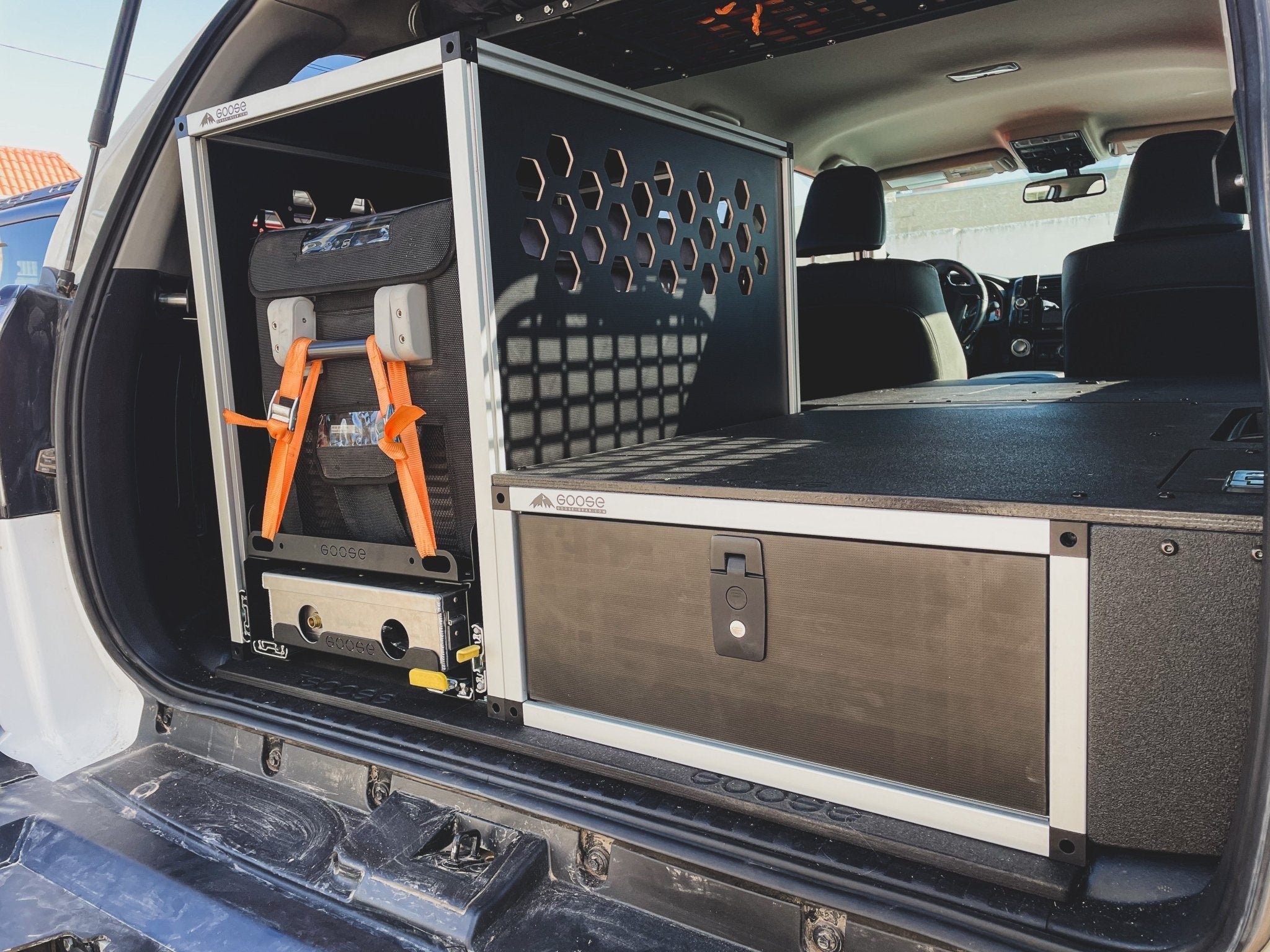
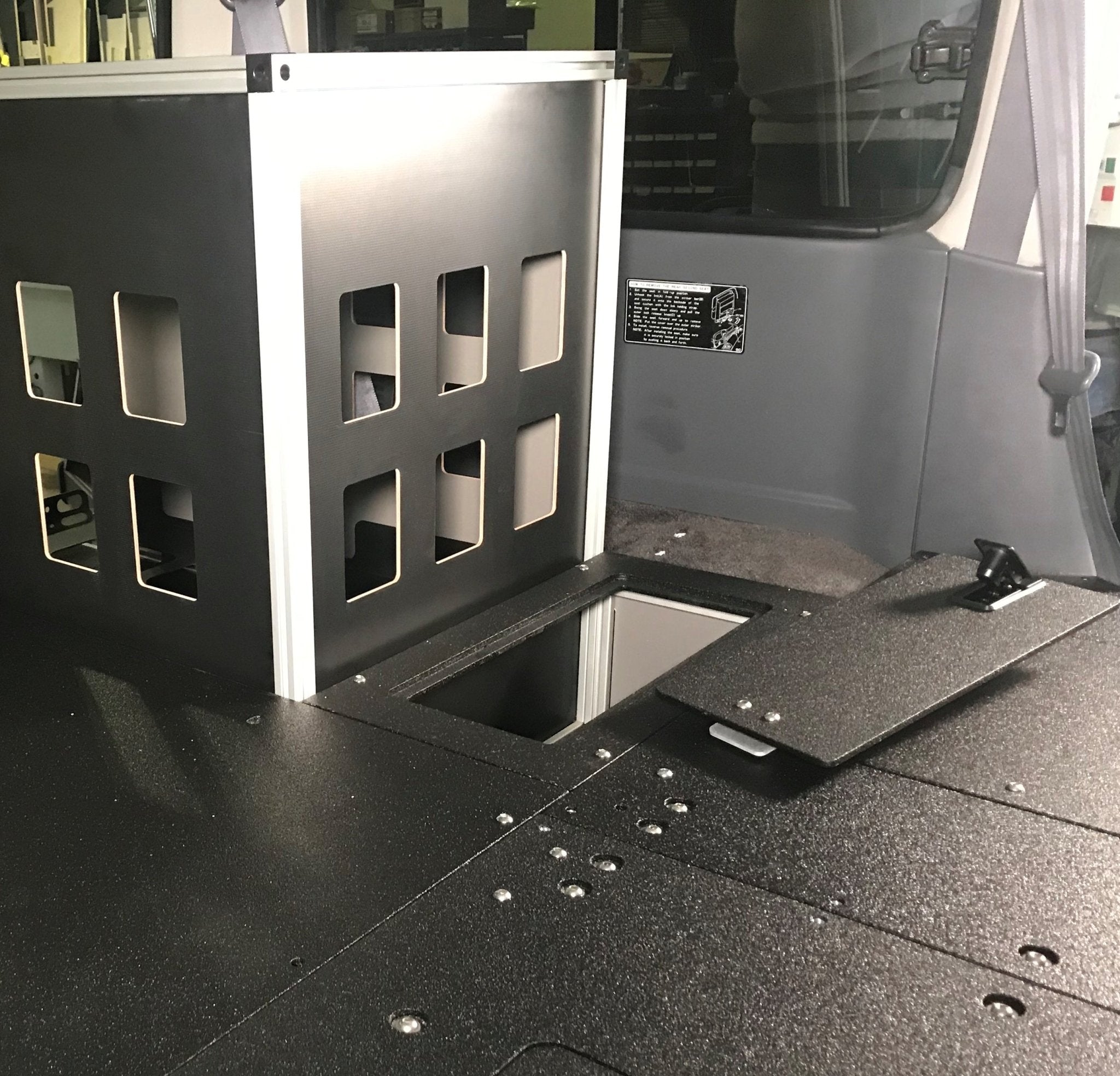
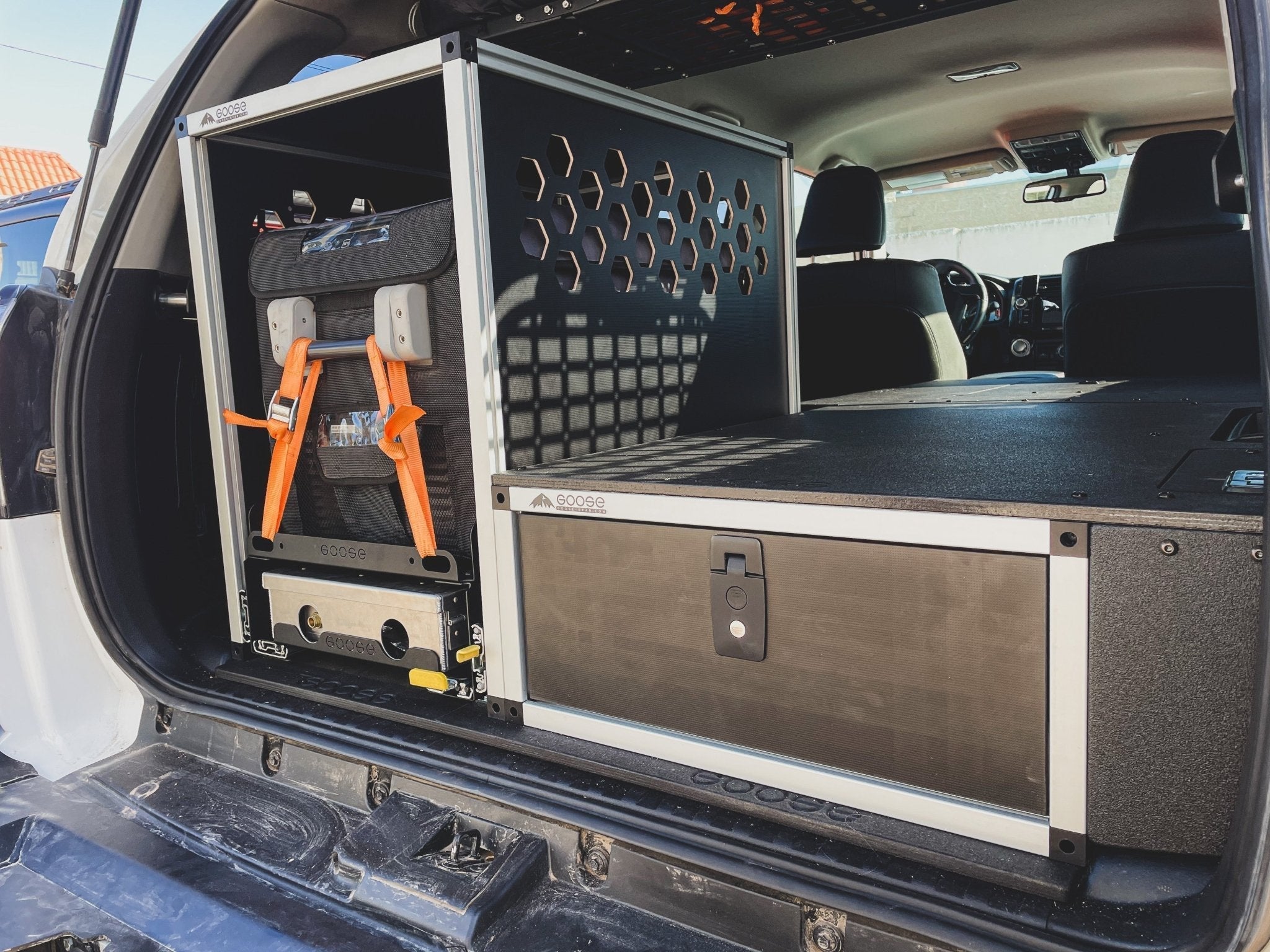
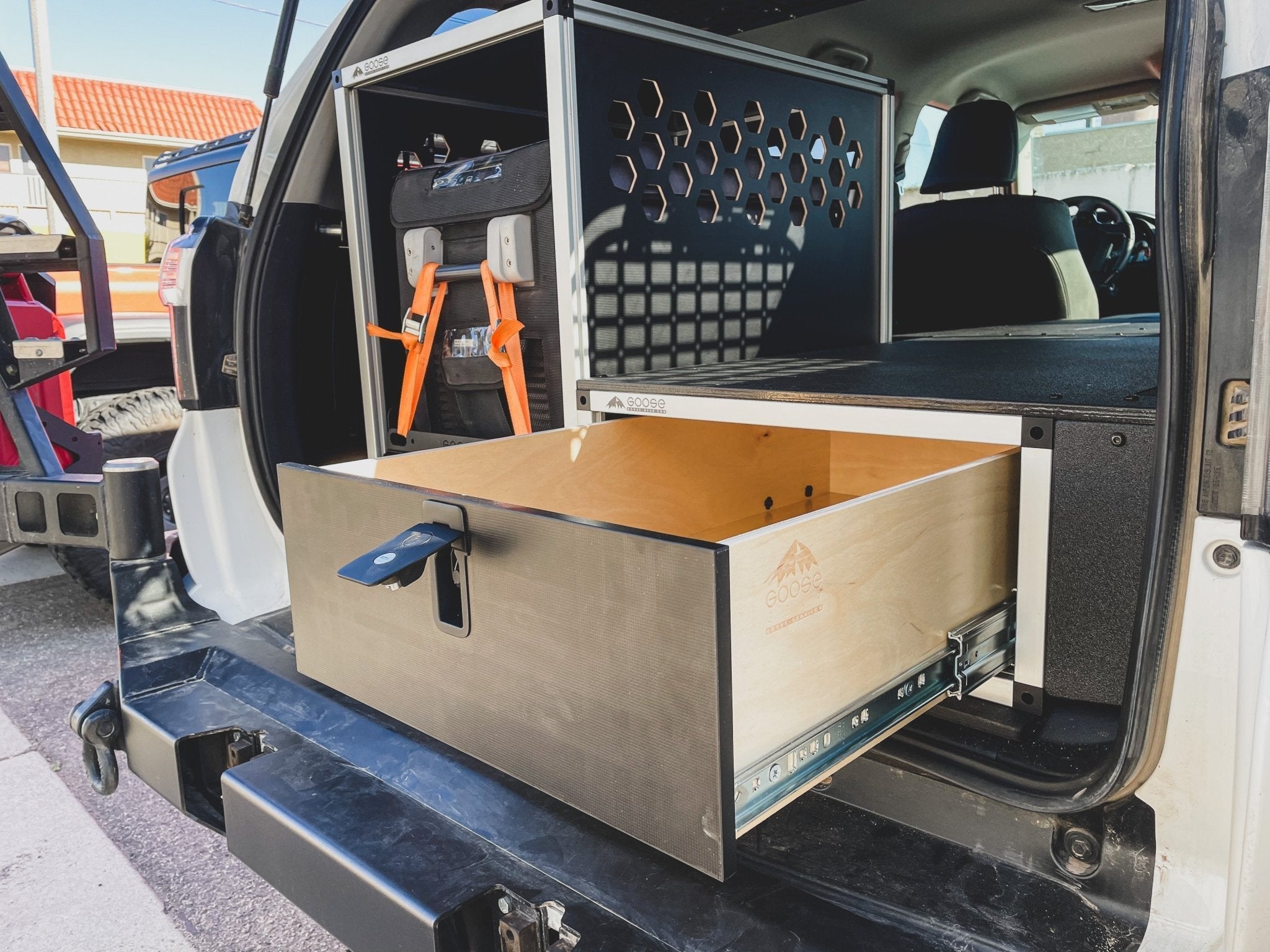
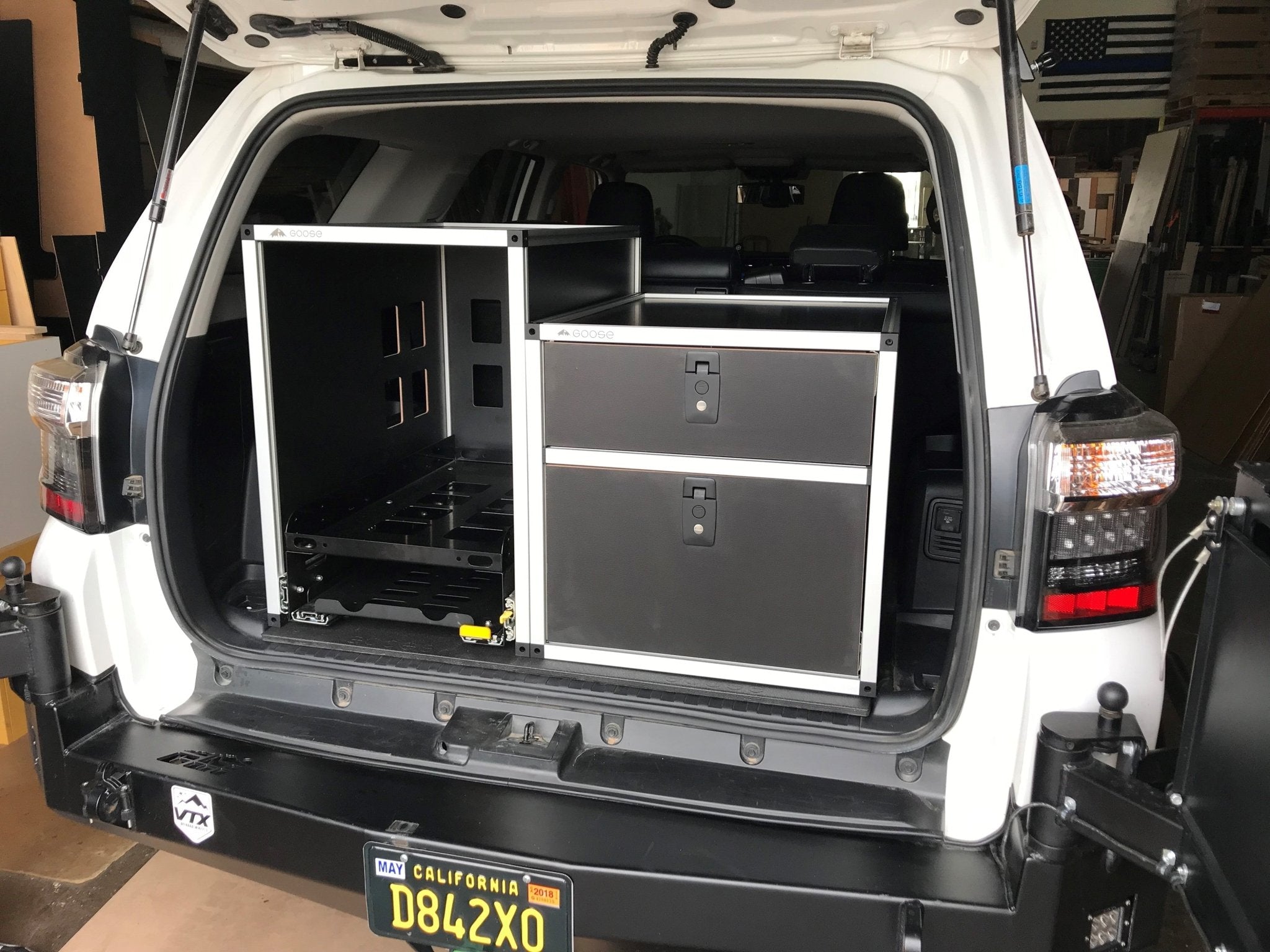
Few platforms get built out as often as the 4Runner, and the Goose Gear storage catalog here reflects it — a deep lineup of plate systems, drawer systems, and camp modules shaped to the 4Runner's cargo area, with enough configurations to cover everything from a weekend dog-hauler to a dedicated two-person expedition rig. The right starting point depends on how you camp, not on how much you can bolt in. Filter by year, make, and model first; generations differ, and fitment is exact.



Goose Gear: Toyota 4Runner FAQs
Should I start with a drawer system or a plate system in my 4Runner?
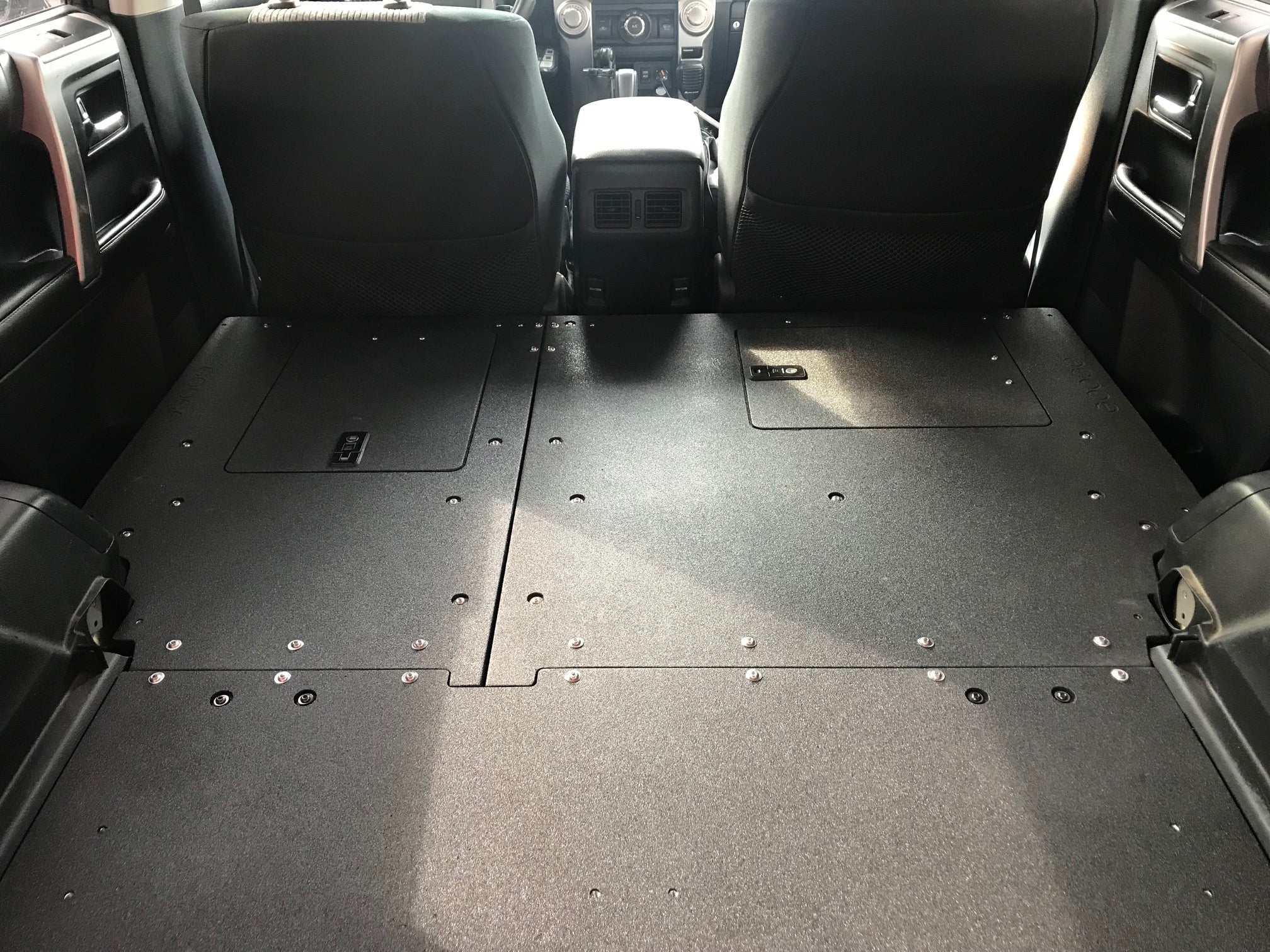
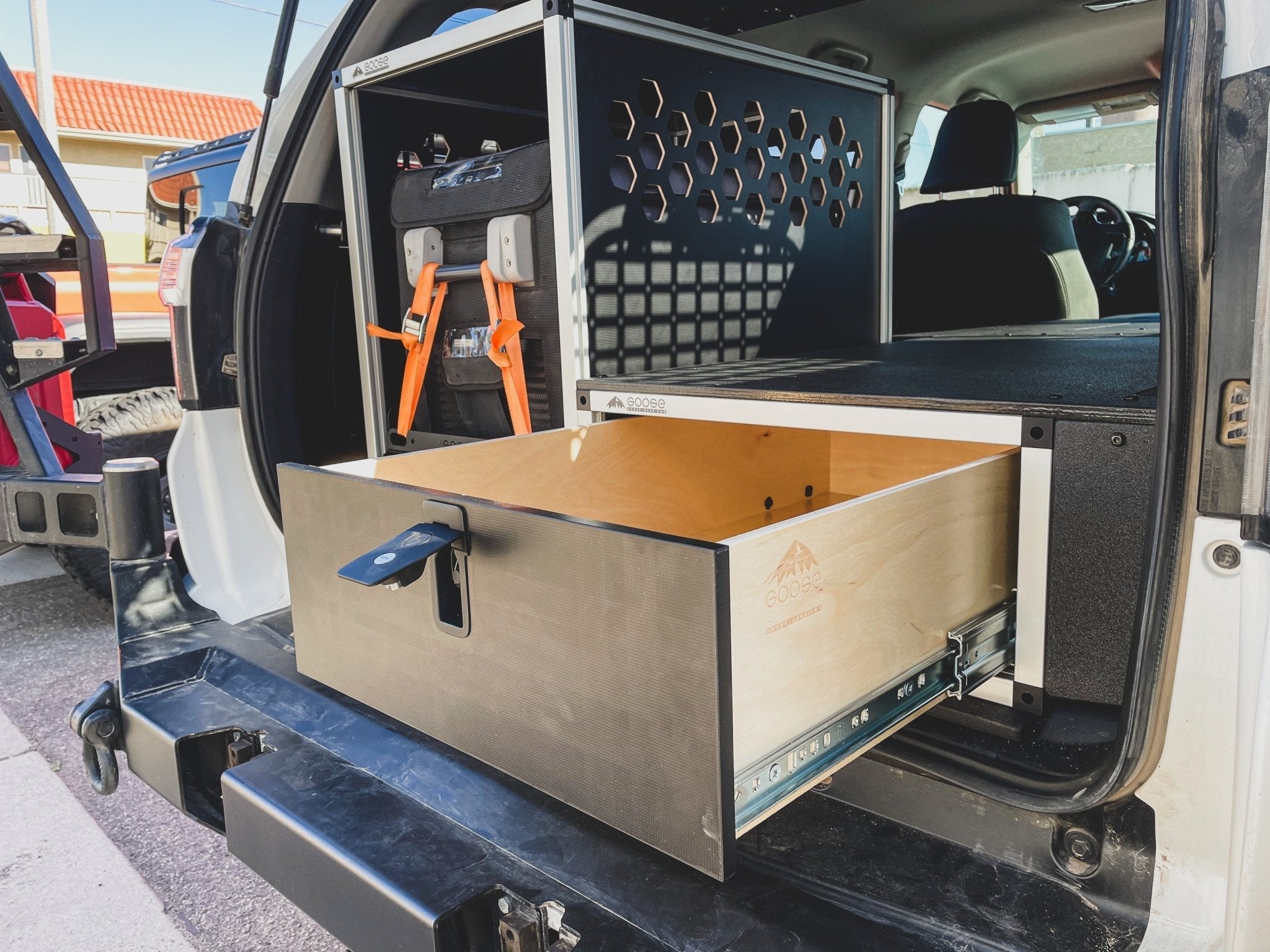
Start with the plate if you want flexibility, drawers if you want organization on day one. A plate is the flat foundation everything else bolts to, and it's useful immediately — load gear on it, sleep on it, add modules later. Drawers cost more upfront but end the bin shuffle forever. If you already own a fridge, plan its spot first and let that decide.
How much weight does a storage system add to a 4Runner?
Enough that you should plan around it — these are rigid, secure storage systems, not plastic organizers. Exact weight depends on configuration, so check each product listing before you spec a full build. The design logic works in your favor, though: the weight sits low and flat in the cargo area, which the truck handles far better than the same pounds stacked high or on the roof.
Can I install one of these myself?
Yes — Goose Gear systems are designed to bolt into the vehicle without fabrication, and a patient afternoon with hand tools covers most installs. The panels are heavy and some steps go easier with a second set of hands, so recruit help before the big pieces go in. Read the instructions start to finish first; sequence matters more than strength here.
How do I plan a layout around a fridge?
Pick the fridge's location first — it's the heaviest, most-used item in the cargo area, and everything else should defer to it. Check module and slide dimensions in each listing against your fridge model before ordering, and think through lid clearance with the fridge open. Put it on the side you naturally walk to at camp; small ergonomics compound over a long trip.
Is a built-in system worth it if I only camp a few weekends a year?
Maybe not — and we'd rather tell you that than sell you one. Quality bins and a tie-down strategy serve occasional campers fine. The math changes if the 4Runner is your daily driver: built-in storage earns its keep every week as secure, organized space for tools, dog gear, and groceries, and the camping capability comes along free. Buy for the life, not the fantasy.
