





Big Days Truck Accessories
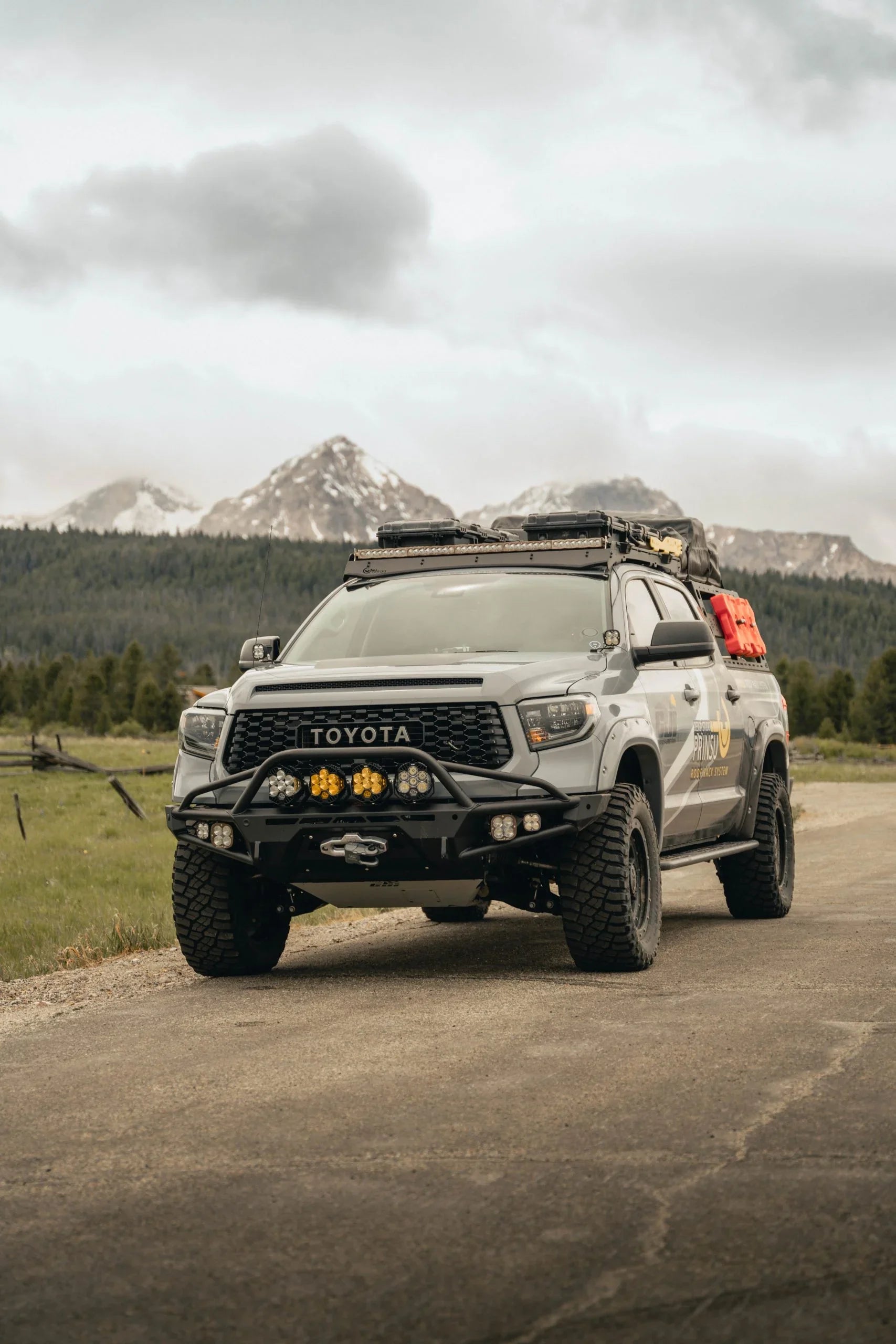
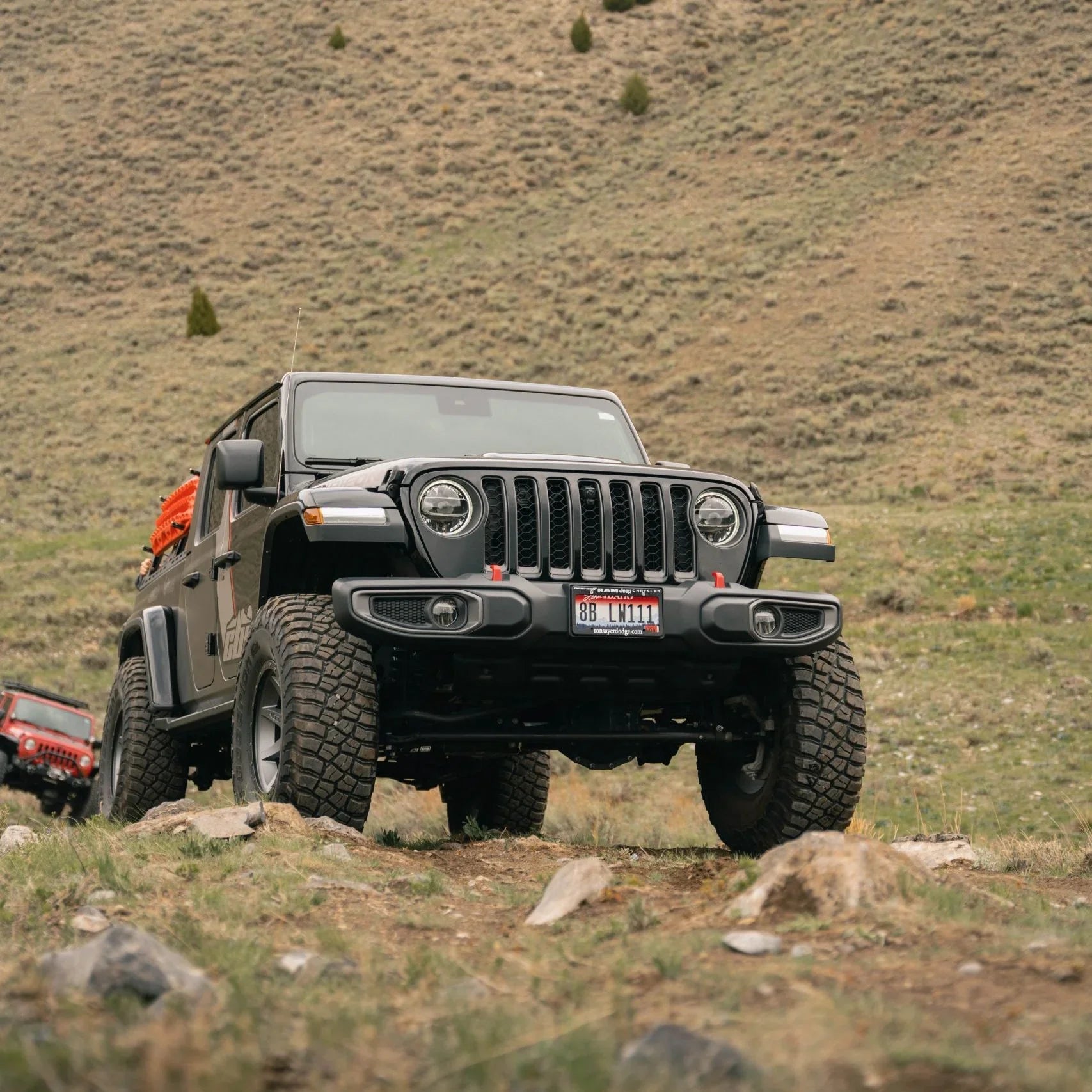
Big Days truck accessories cover practical utility for working pickups. Browse the current line here, and lean on us for fitment guidance — matching accessories to your exact truck is the store’s favorite conversation.

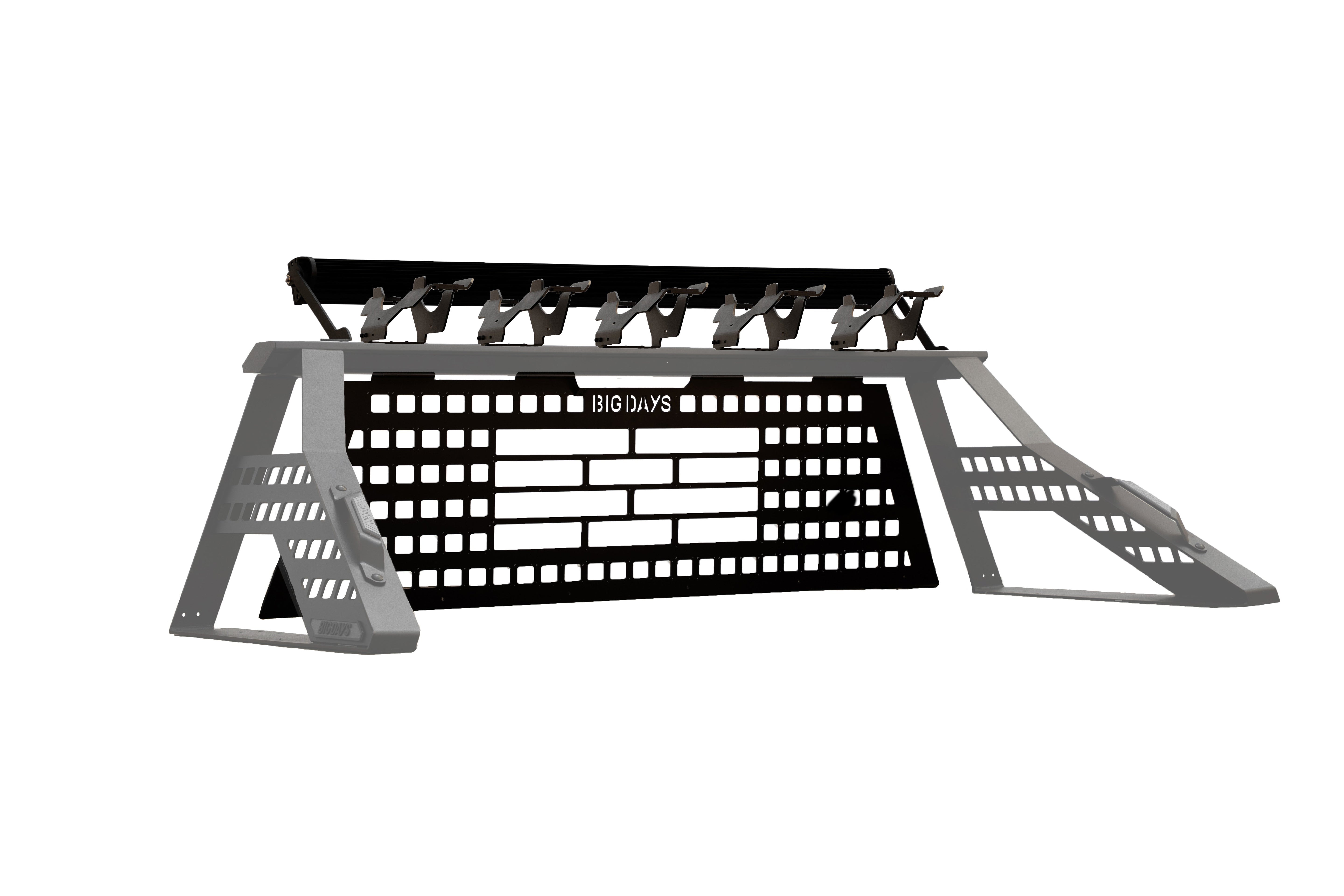

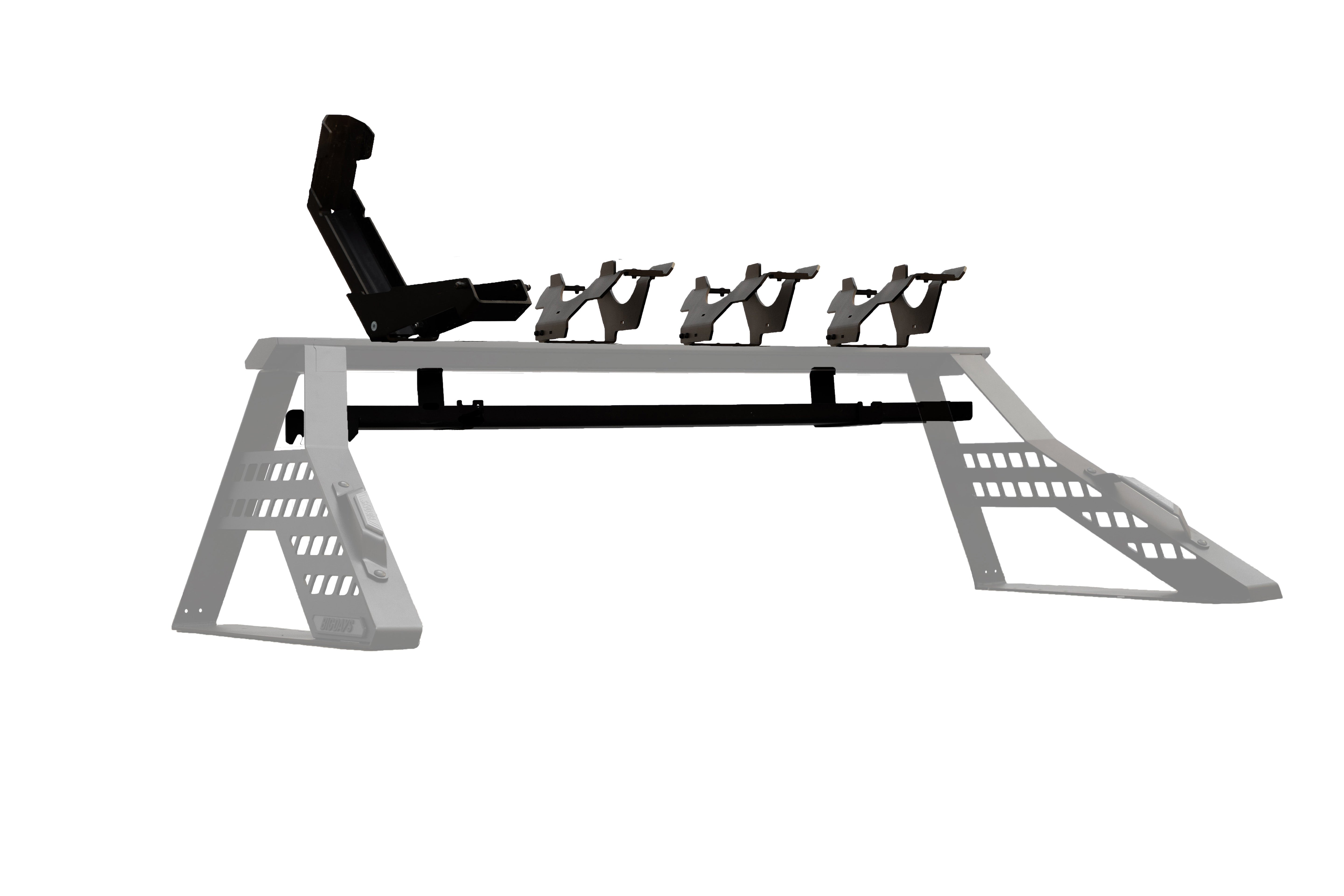
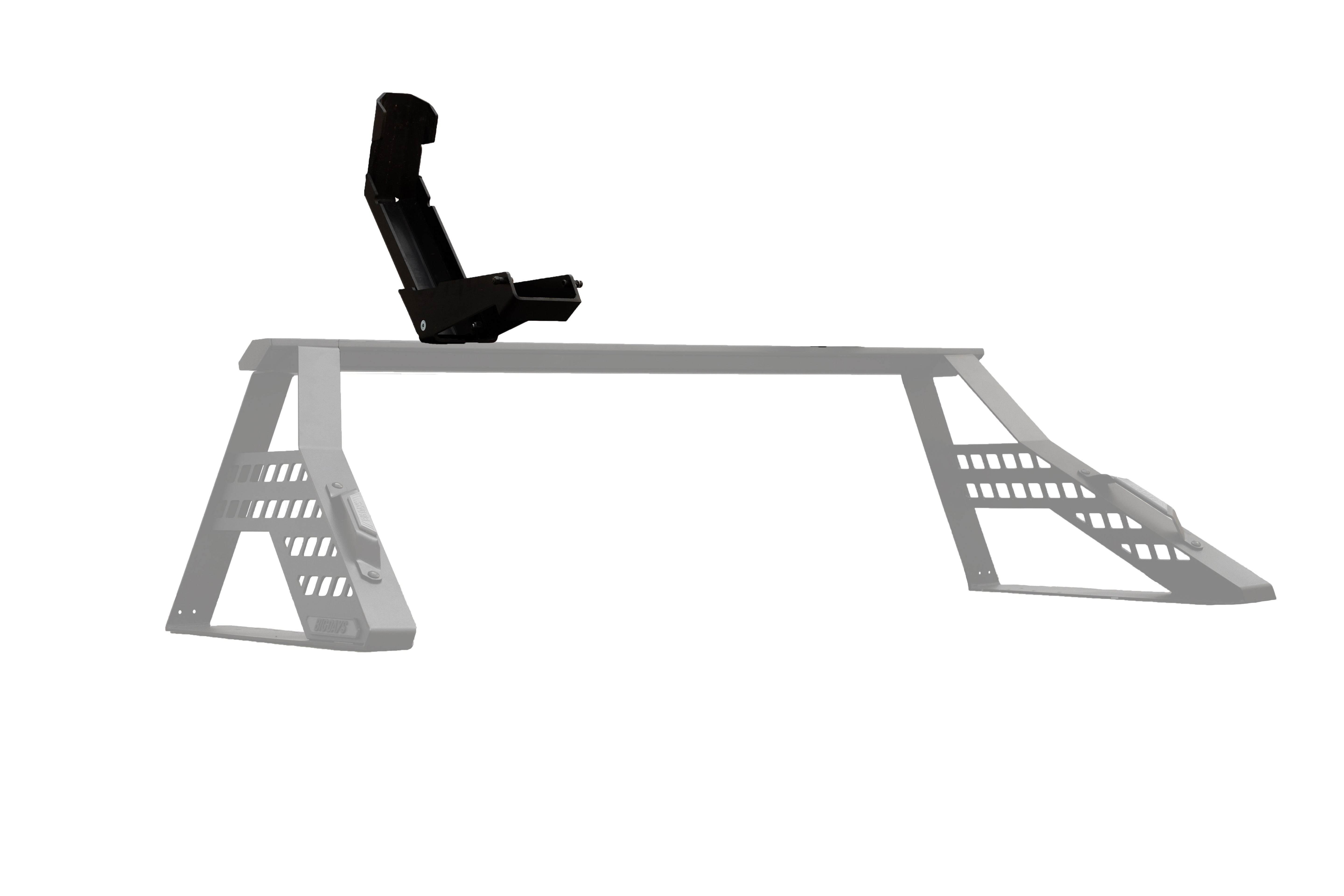
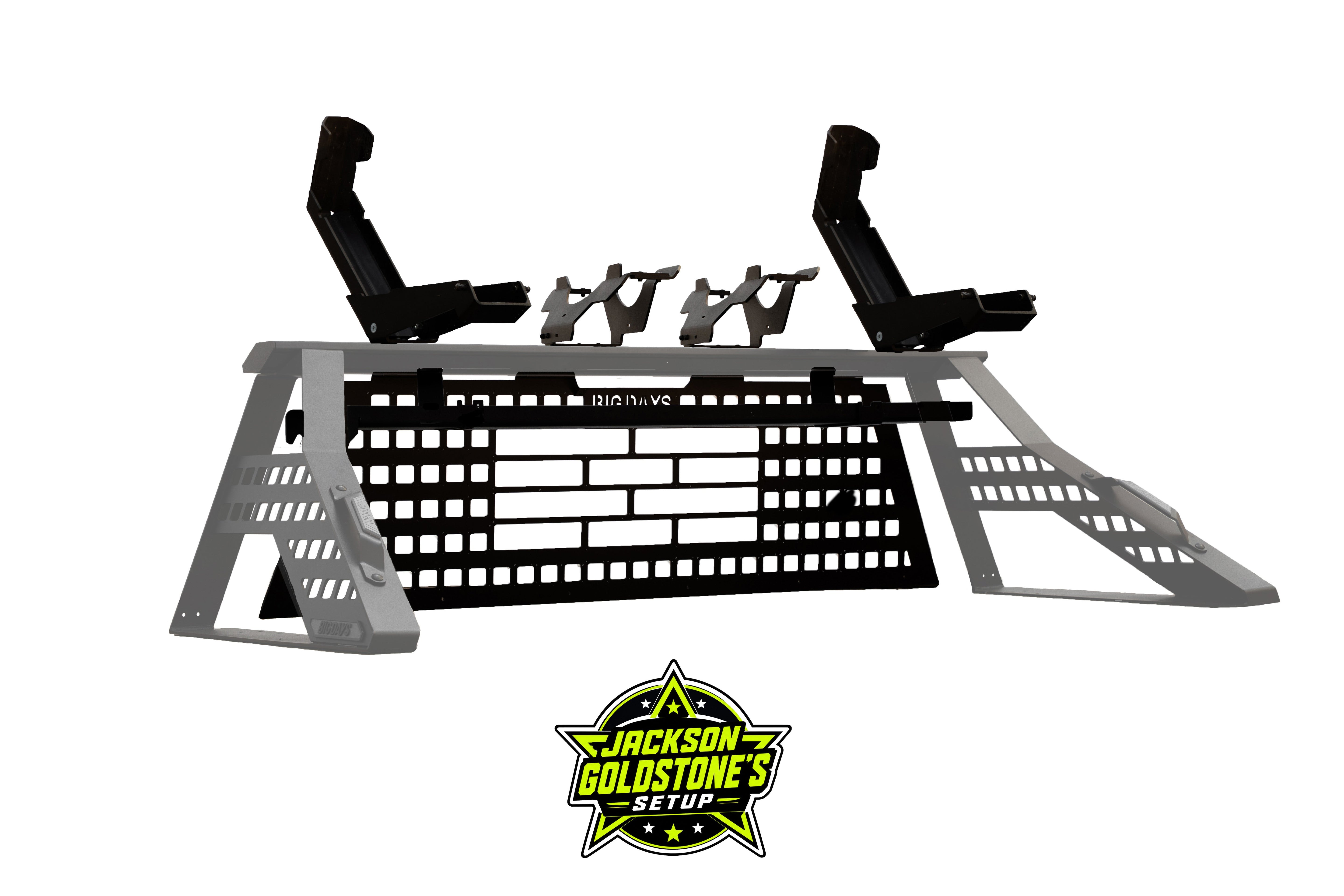
Big Days Truck Accessories FAQs
Does bed length matter when buying truck bed accessories?
Frequently, yes. Bed-mounted accessories are often sized or positioned around a specific bed length, and the same truck can ship with two or three of them. Check your configuration — short bed versus standard versus long — before ordering anything that spans the rails or mounts to the floor. The year, make, and model filter narrows it, but the listing's fitment notes settle it.
How do I keep accessories from rattling loose on washboard roads?
Thread locker on fasteners that don't need frequent removal, nylon-insert lock nuts where they do, and a re-torque after the first rough trip while everything settles. Rubber isolation helps wherever metal meets metal. Beyond hardware, listen: a new rattle is an accessory announcing its intention to leave. A five-minute bolt check after rough weekends catches nearly all of it.
Are metal accessories always better than plastic?
No — it depends on the job. Metal wins where structure and clamping loads live, but quality polymers shrug off UV, don't corrode, weigh less, and don't buzz. The trouble comes from bad versions of either: pot-metal hinges and brittle bargain plastic fail the same way, just in different weather. Judge the design and hardware, not the material category, and let listed ratings break ties.
What's the difference between static and dynamic load ratings?
Static is what a part holds while parked; dynamic is what it's rated for in motion, and it's always the smaller number. Off-road adds impact multiplication on top — a pound bouncing through a rock garden pulls harder than a pound on the highway. Treat published ratings conservatively for trail use, and if a listing gives only one number, assume it's the flattering one and ask.
What tools do I need to install small accessories?
Usually a basic socket and hex set, a torque wrench if you're doing it right, and the patience to read instructions before drilling anything. Most small accessories use factory holes or clamp-on mounts, and listings flag the exceptions. The torque wrench is the underrated one — gorilla-tight strips small fasteners, and finger-loose feeds the washboard. Check each listing's install notes for anything beyond hand tools.
