


Toyota Tundra Lift Kits
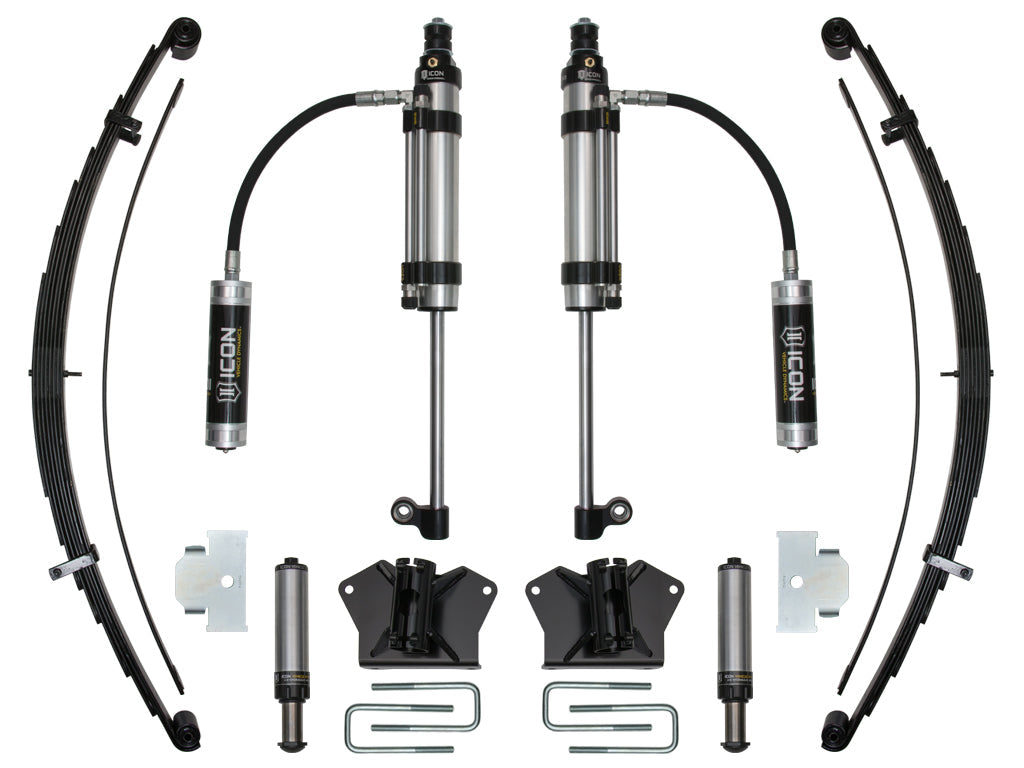
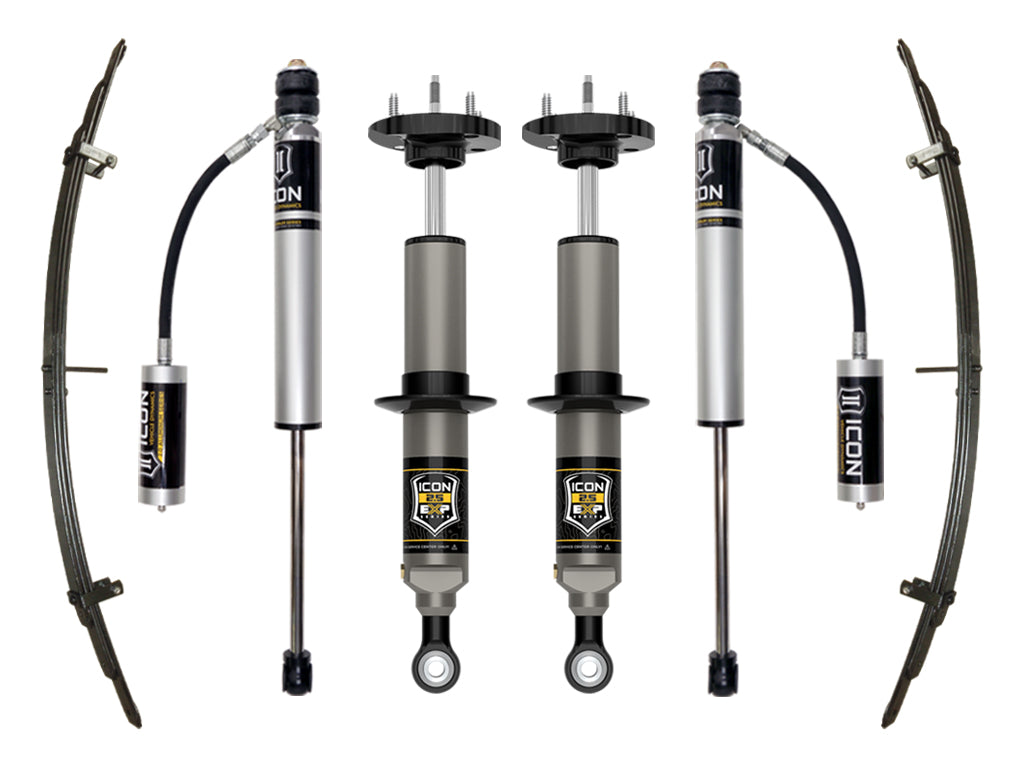
A Tundra lift has one job the brochures skip: managing a 6,000-lb truck's mass over rough ground with gear aboard. This collection gathers Dobinsons systems and Coachbuilder's Tundra-specific hardware — +2" shackles, bump stop kits, steering upgrades — filtered for 2nd Gen (2007–2021) and 3rd Gen (2022+) trucks. The proven overland zone is 2.5–3" on 35s with load-rated springs; tell us your bumper and camper plans and we'll spec rates that match.


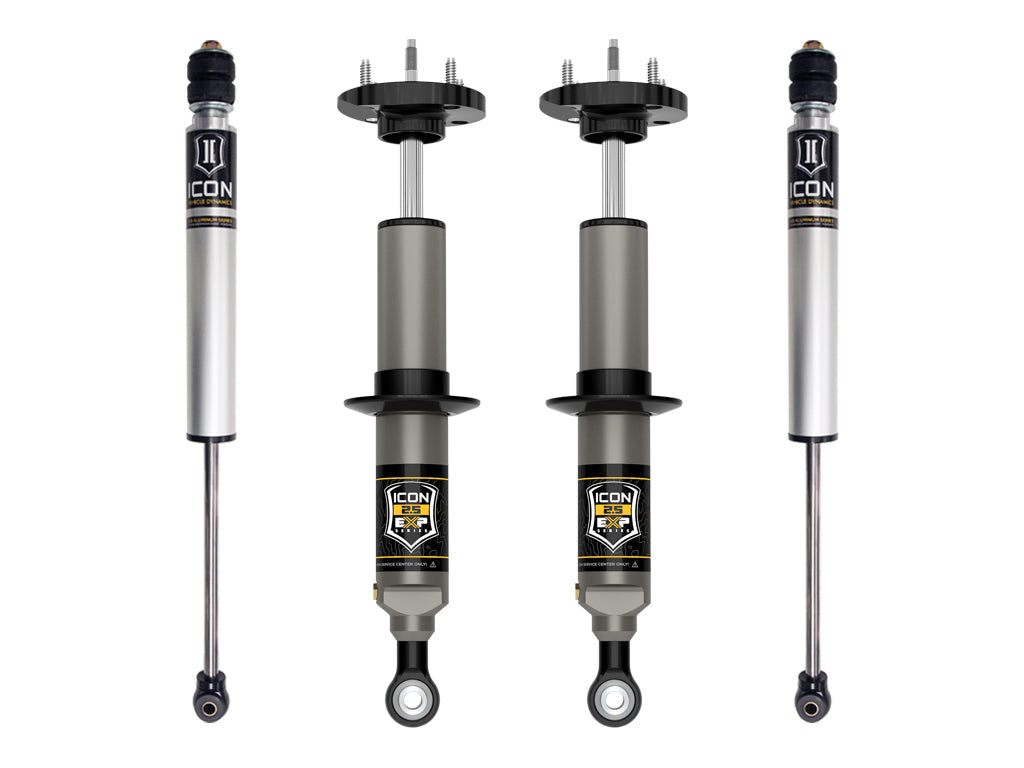
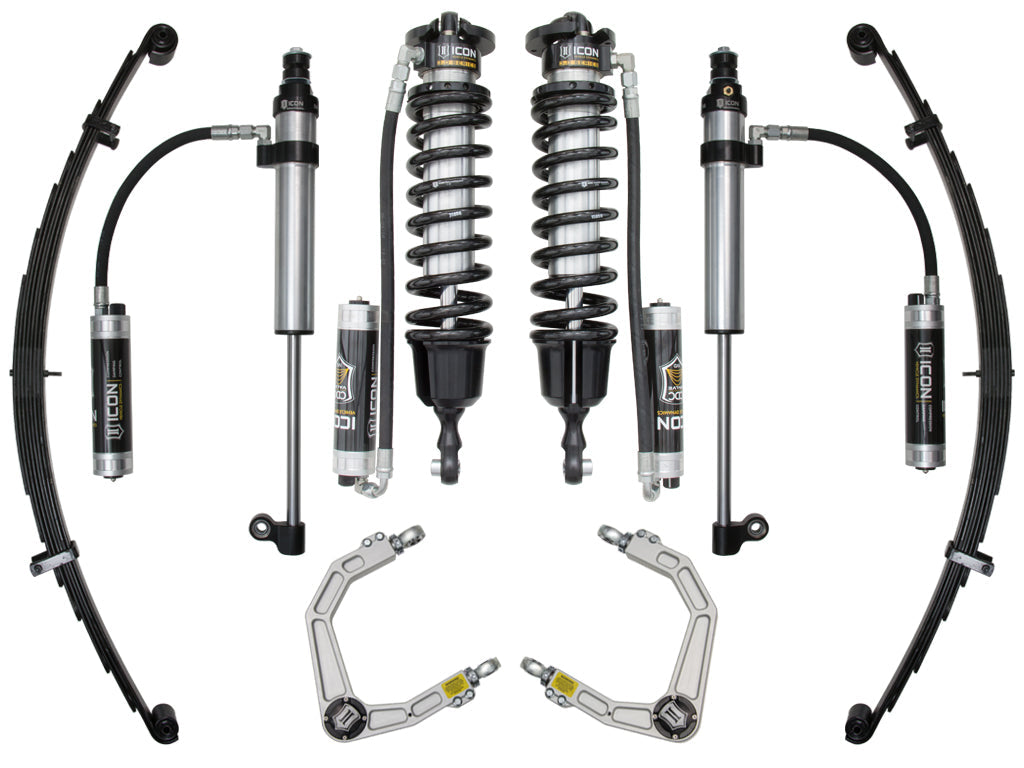
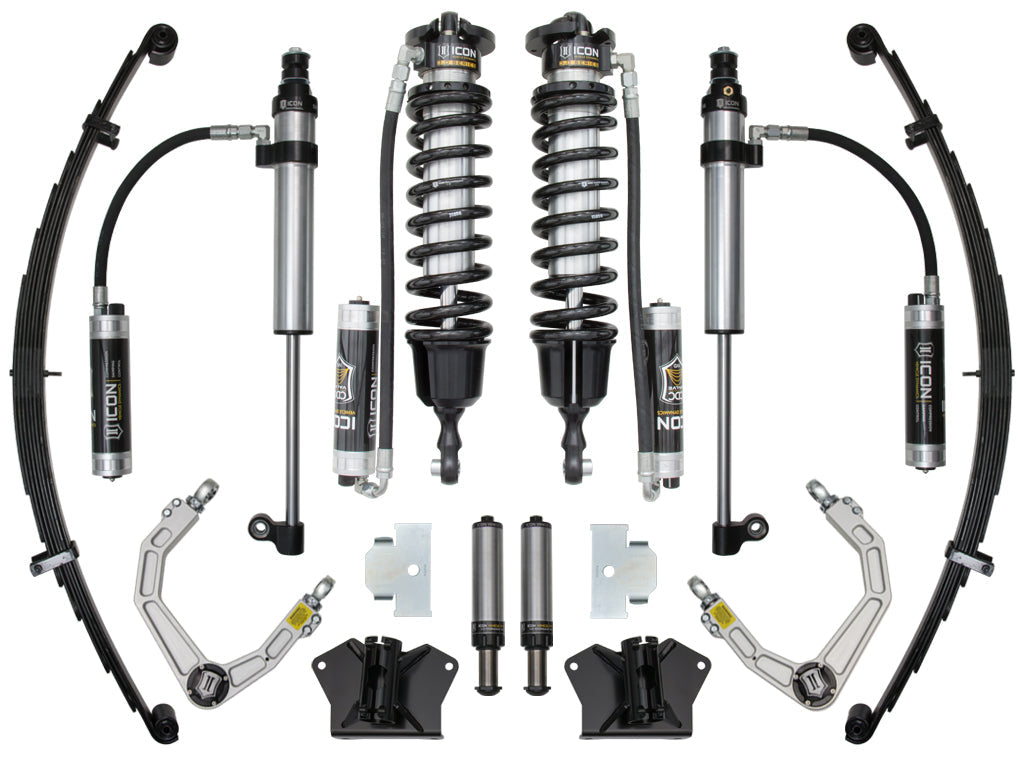
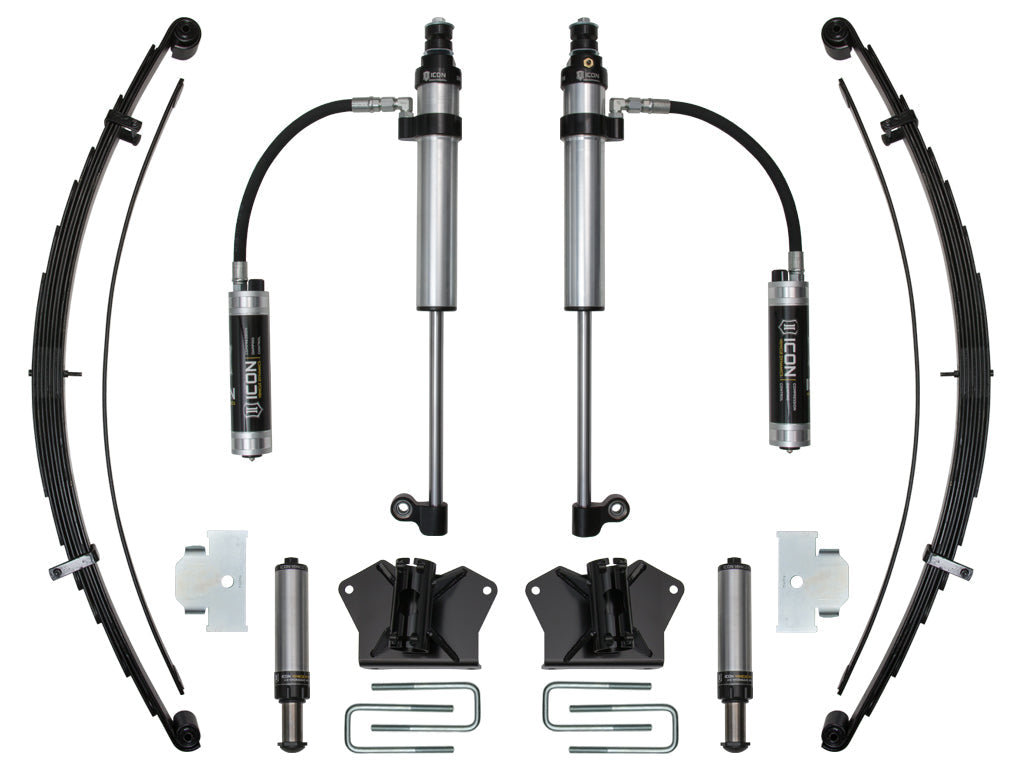
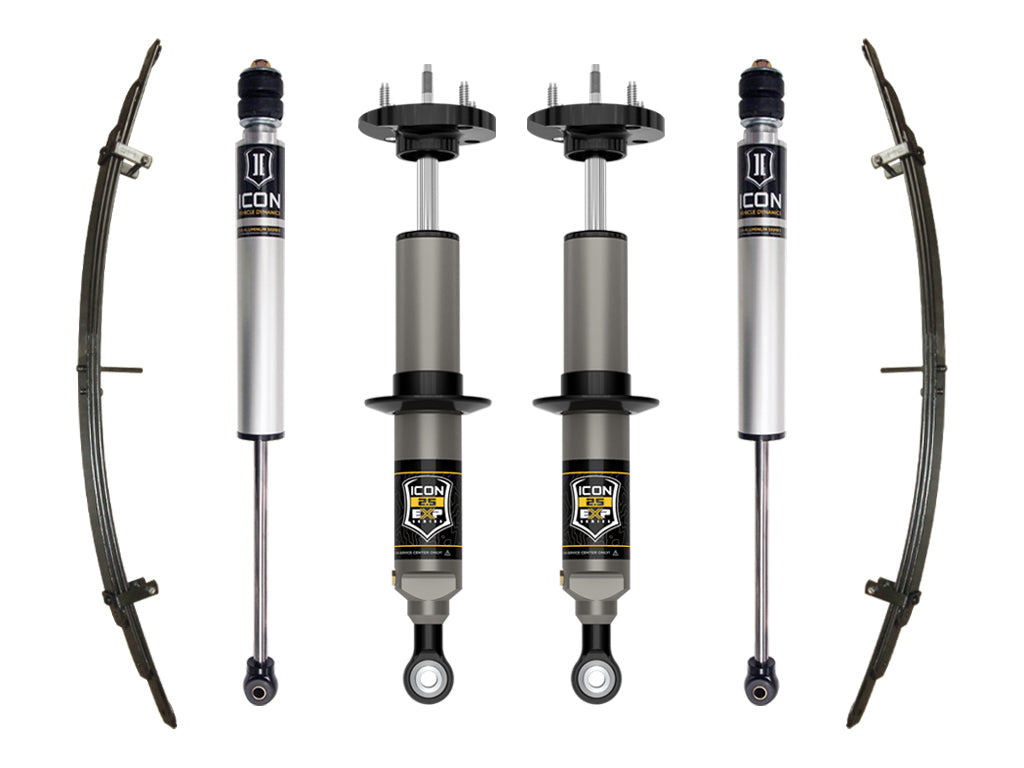
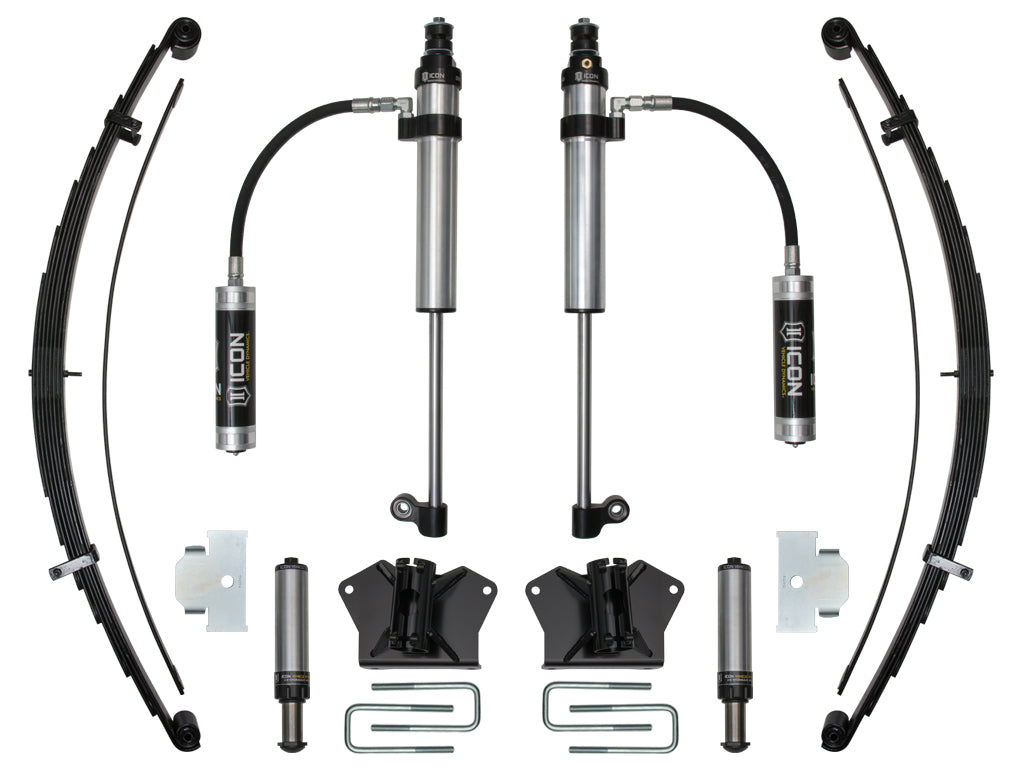
Toyota Tundra Lift Kits FAQs
What lift height do most overland Tundras run?
2.5–3", which clears 35s and preserves geometry without cascading extra parts. Beyond that, full-size physics get expensive — driveline angles, brake demands, and center of gravity all argue for restraint. Spend the taller-lift money on load-rated springs and quality dampers instead; a loaded Tundra rewards it every mile.
What do Coachbuilder +2" shackles actually do?
They lengthen the rear leaf-spring shackles to restore roughly 2" of rear height on 2nd Gen Tundras — correcting sag, re-centering axle travel, and leveling the truck with a front lift — without adding stiffer leafs a lighter build doesn't need. Loaded expedition builds pair them with appropriate leaf packs instead.
Do I need to regear a Tundra for 35s?
Usually not immediately — the V8 (and the 3rd Gen's twin-turbo V6) carries 35s far better than midsize engines do. Consider gears if you tow heavy plus run 35s, or live at altitude. It's the Tundra's quiet advantage: the tire upgrade doesn't automatically trigger the drivetrain bill.
How does a lifted Tundra handle a slide-in camper or heavy shell?
Well, if sprung for it — this is exactly the build the load-rated route exists for. Constant heavy bed weight wants leaf packs matched to the actual number (weigh the truck loaded), progressive bump stops, and damping tuned for the mass. Tell us the camper's wet weight and we'll build the spec with you.
Will bigger tires and a lift affect my Tundra's towing?
Ratings don't change on paper, but effective gearing does — 35s make the truck feel taller-geared, so plan tow speeds and grades accordingly, and consider gears if towing is frequent. A quality lift with correct rates actually improves loaded stability versus sagged stock springs. Keep tongue weight in the payload math.
