


Cali Raised LED
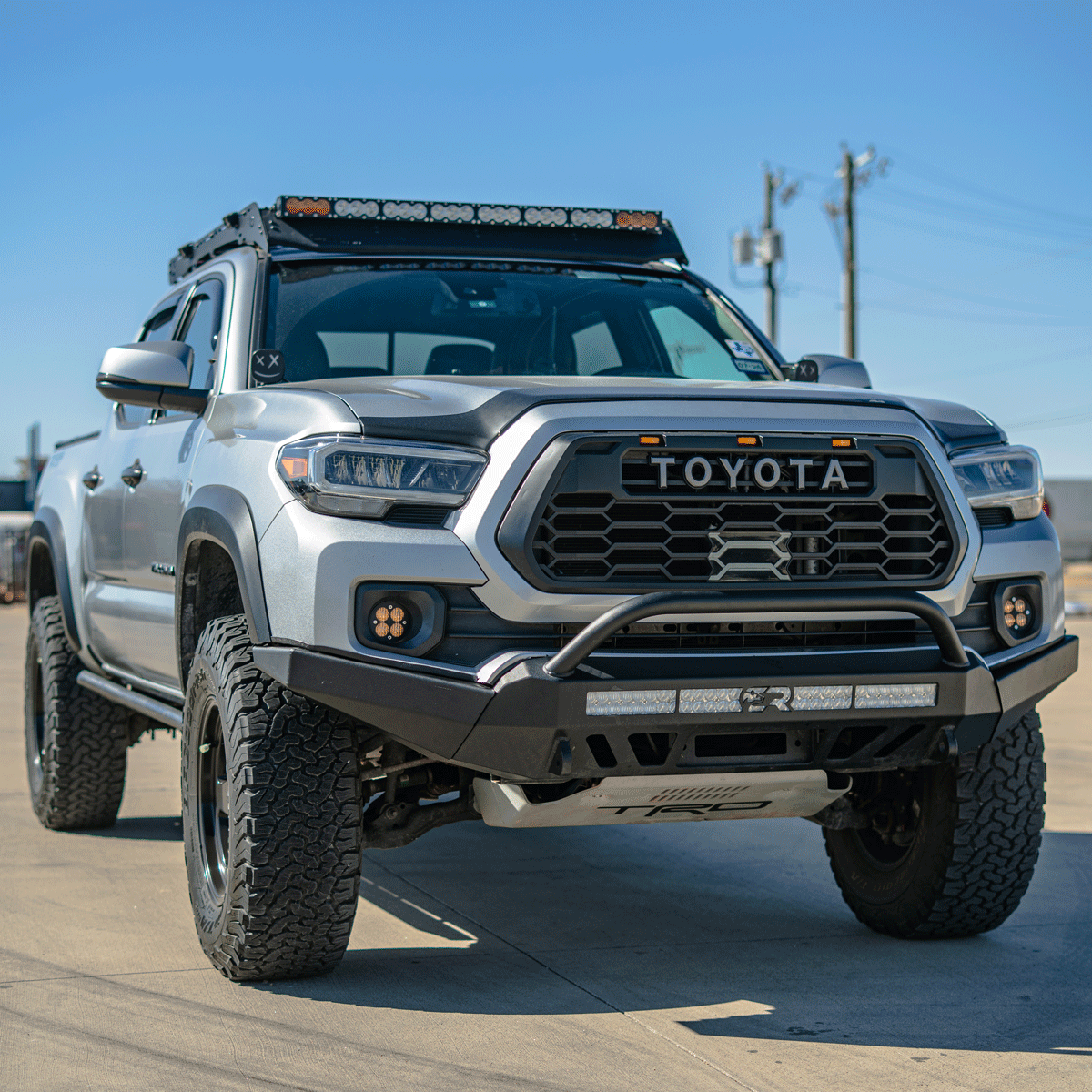
Cali Raised LED built its name on the Toyota scene: honest-value LED pods and bars paired with the vehicle-specific brackets that turn lighting installs into bolt-on afternoons — ditch light kits especially. The full catalog covers lighting, mounts, and accessories; if you drive a Tacoma, 4Runner, or Tundra, the bracket you’re imagining almost certainly exists here.
Vendor: Cali Raised LED FAQs
What's the difference between spot, flood, and combo beams?
Spot beams concentrate light into a tight, long-throw column for seeing far down the trail at speed. Flood spreads it wide and short for work light, campsites, and slow technical driving. Combo mixes both in one housing and is the sensible default for a single light bar. Match the pattern to your driving first — a blinding light in the wrong pattern still leaves you outdriving your vision.
When are amber lights better than white?
In dust, fog, and falling snow — anywhere white light bounces back into your eyes. Amber cuts that backscatter, which is why desert runners eating group-ride dust and storm drivers swear by it. In clear, dark air, white shows more detail and reads more naturally. Plenty of builds run white for distance and amber for weather, switched separately.
Do Cali Raised LED kits include wiring and switches?
It varies by listing, so check the included-components list before you order. Vehicle-specific kits often bundle a harness and switch, while standalone pods and bars may be light-only with wiring sold separately. Either way you want a relay-protected, fused circuit rather than a tap off factory wiring. Sorting this out at checkout beats discovering it on install day.
Are off-road lights street legal?
Generally not for use on public roads — auxiliary off-road lighting isn't certified as street lighting, and most states require it switched off, and in some cases covered, on pavement. Rules vary by state, so check your local code. On the trail none of that applies; just wire everything to switches so good road manners are one click away.
How do I find lights that fit my truck without drilling?
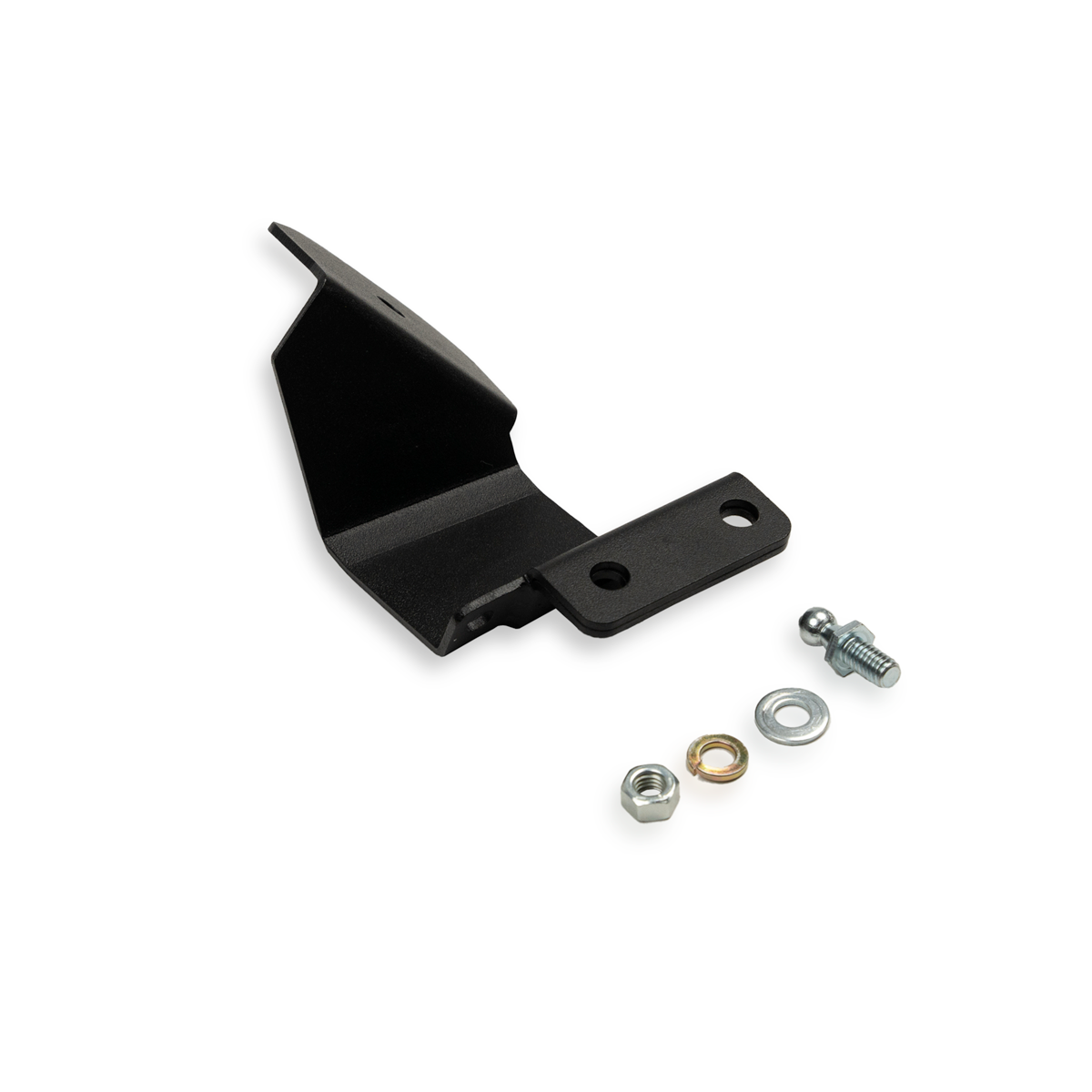
Filter by year, make, and model, then look for vehicle-specific bracket kits — mounts designed around factory bolt points and seams, which is how ditch and grille lights typically install without new holes. Universal lights and some bar mounts may still require drilling, and the product page will say so. Fit the bracket to the truck, then fit the light to the bracket.
