Need Help? Contact us at support@nvmos.com | (920) 249-7744

Charvonia Design

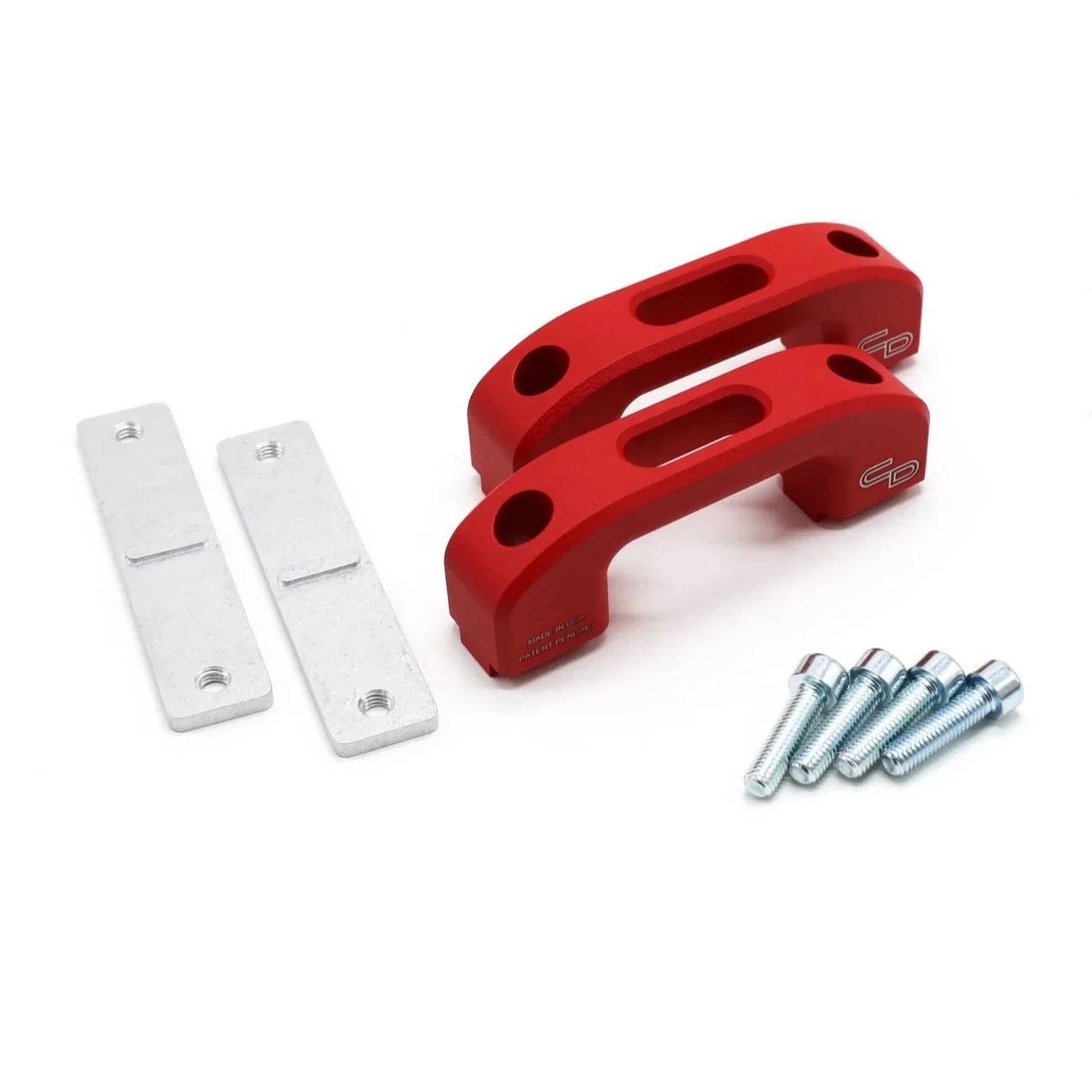
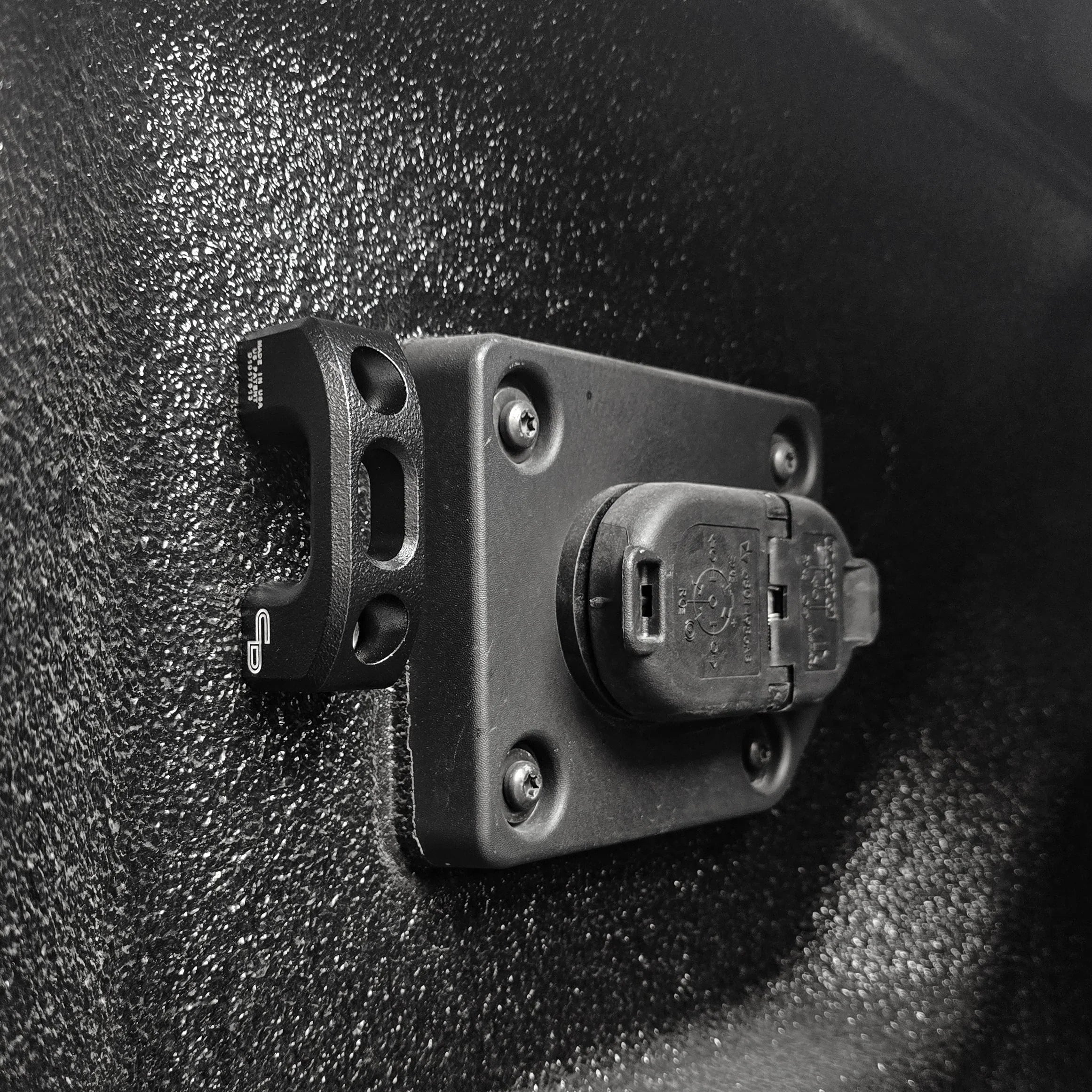
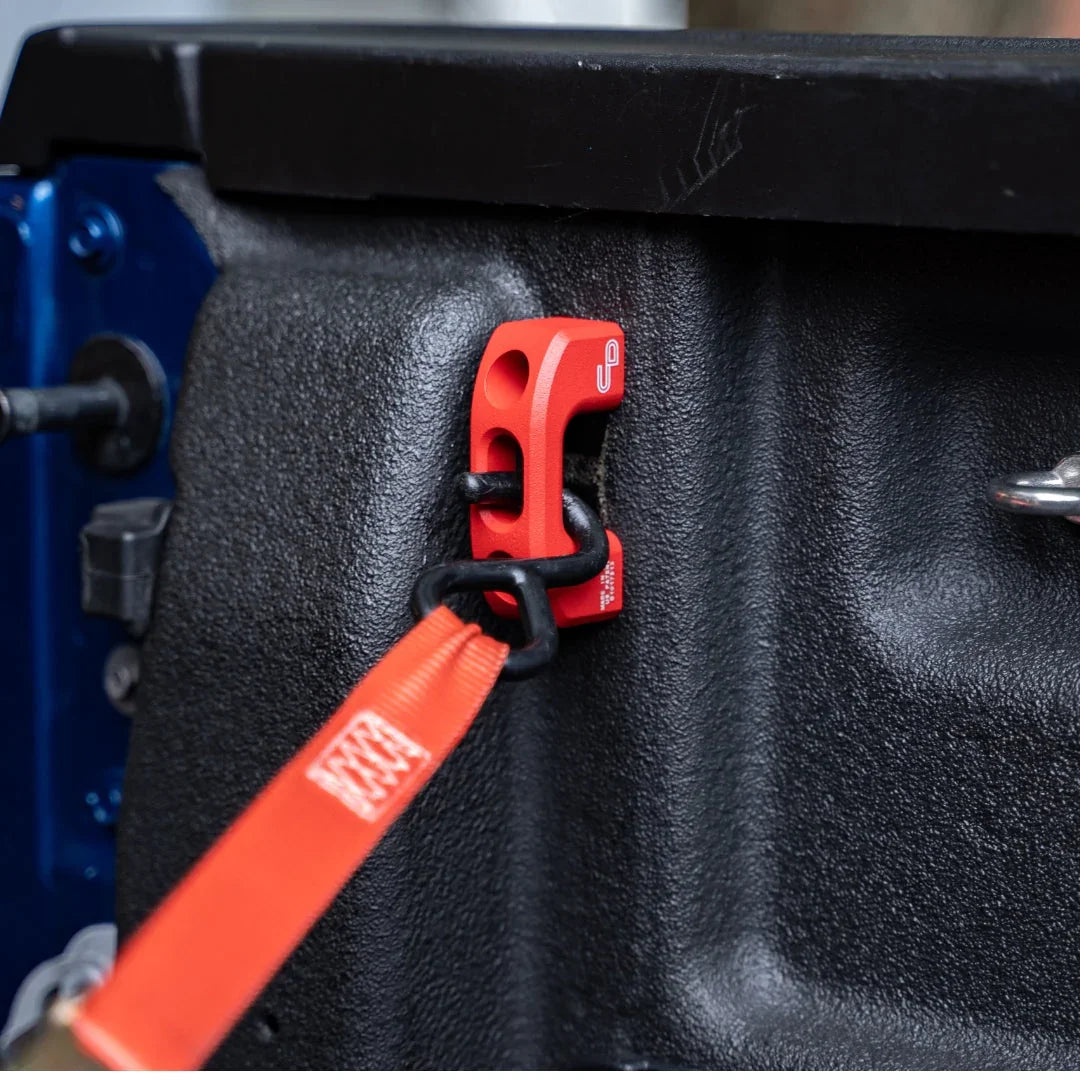
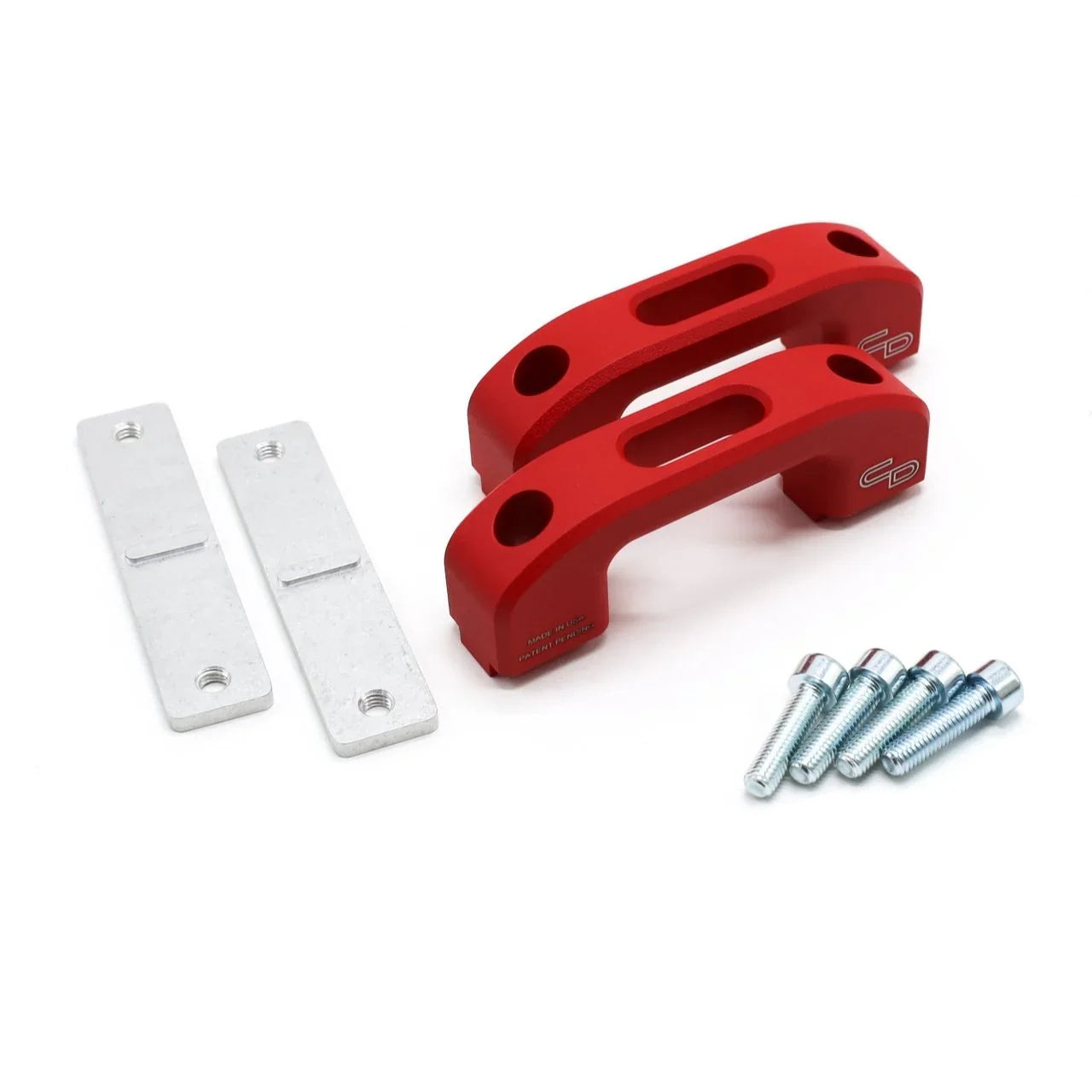
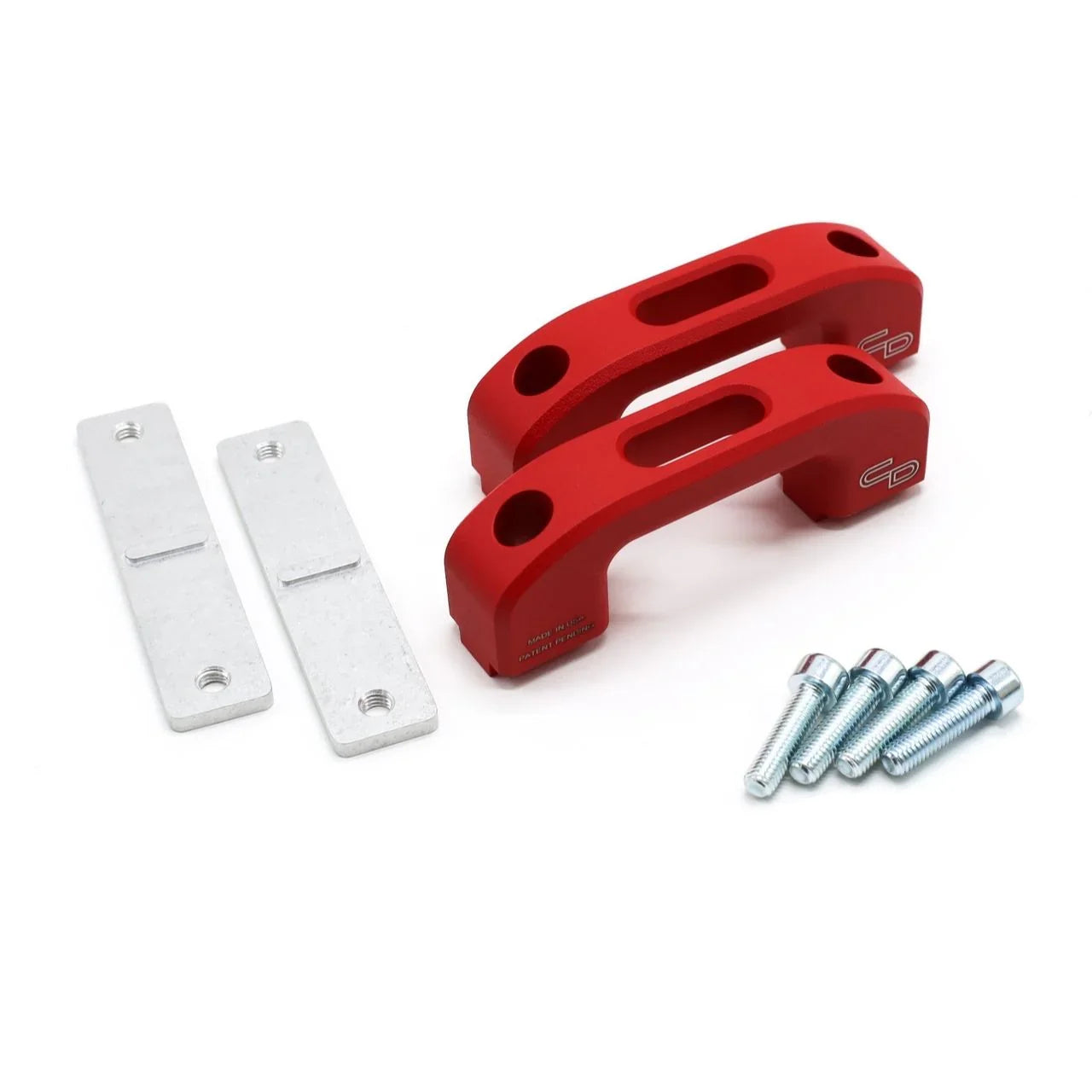
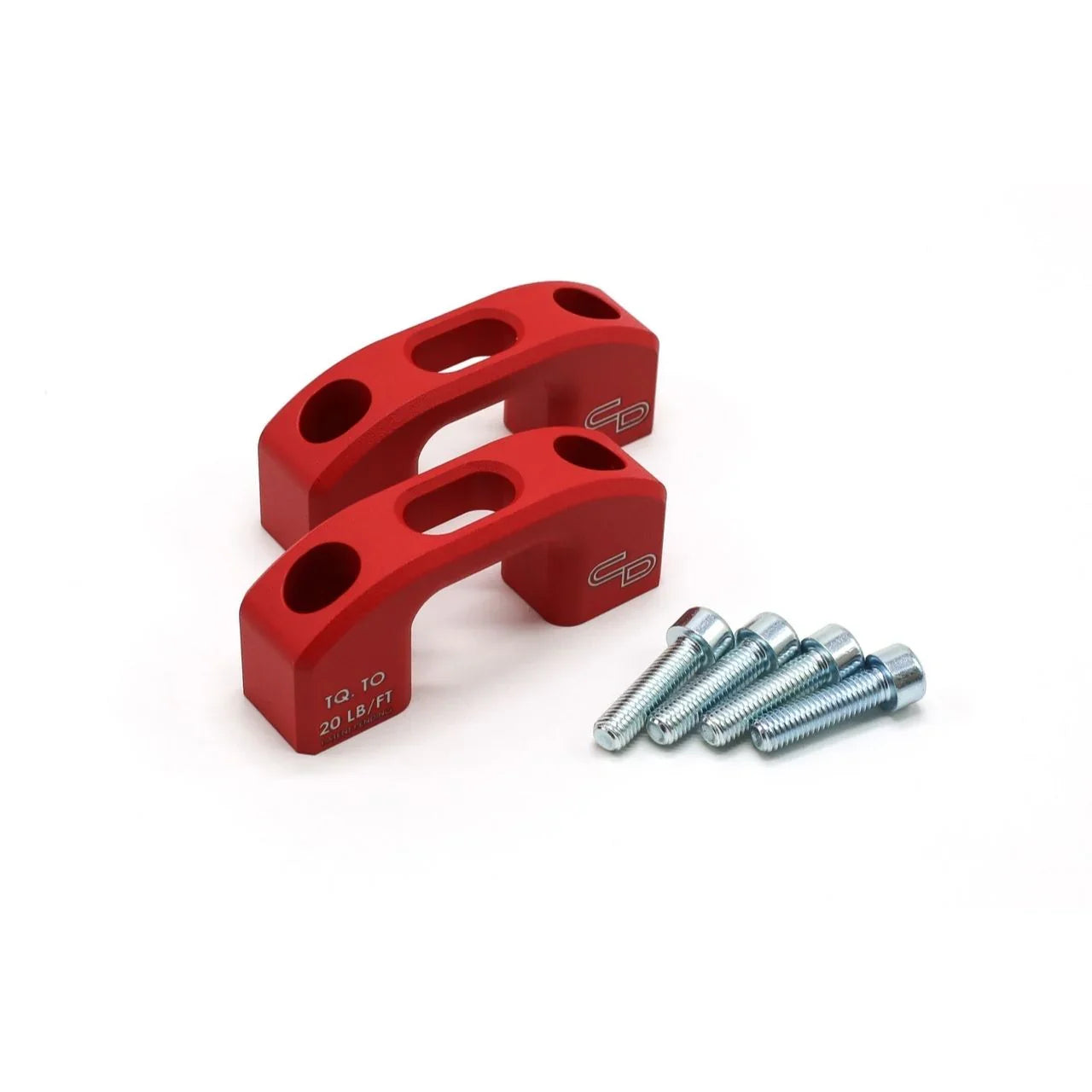
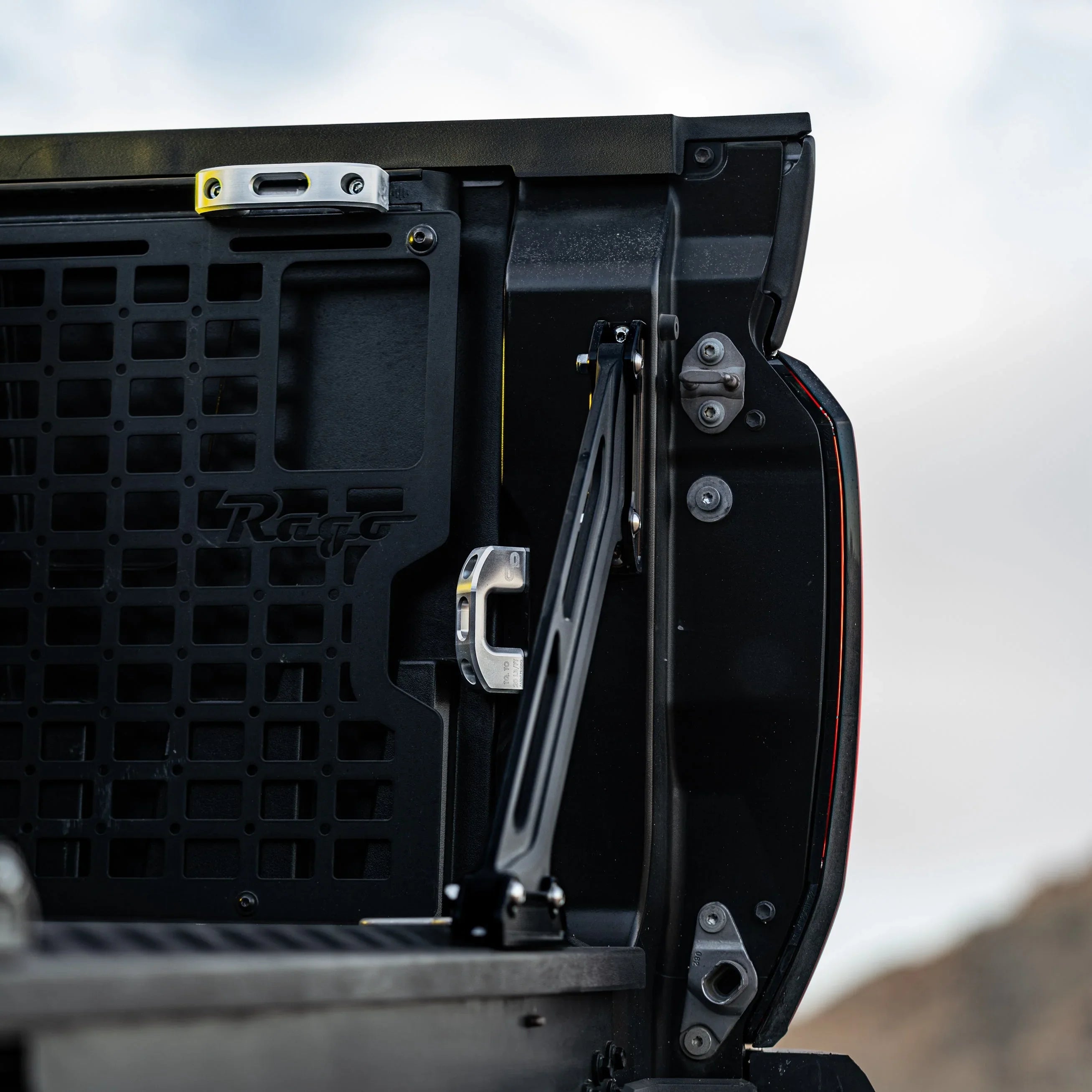
Charvonia Design builds thoughtfully engineered organization and utility products for adventure vehicles. Browse the full catalog here — and ask us where Charvonia pieces slot into your platform’s storage plan alongside the rest of our interior range.

How to shop this collection

Twenty-eight products is a browsable number, so this isn't a page that needs a strategy. Set the year/make/model filter so you're only seeing parts confirmed for your rig, then shop by problem instead of by part: the gear that slides around, the thing you can't reach from the driver's seat, the rattle you've learned to ignore. Good accessories earn their keep by fixing one specific annoyance and then never asking for attention again.

What separates trail-grade from junk drawer

Three things: how it mounts, what it's made of, and whether you'll actually use it. Mounting first — bolted hardware beats adhesive, and adhesive beats hook-and-loop; anything relying on friction alone will migrate on washboard. Materials second: sun and dust are harder on gear than rocks are, so favor UV-stable plastics, coated hardware, and stitching that won't chalk out after a summer behind glass. Use is the third and the ruthless one: if you won't touch it most trips, it's weight, not equipment.

Where accessories fit in a build

After the basics. If air and recovery aren't sorted yet, put the money there first — on-board air (where Power Tank's CO2 systems live) and recovery gear get used when it counts, while accessories get used when it's convenient. Both matter; only one gets you unstuck. Once that's handled, a collection like this is the enjoyable part of outfitting: small, mostly hand-tool installs that make a truck feel finished rather than merely equipped. Browse the full accessories collection to see the wider field, or start from the truck instead — the Toyota 4Runner page gathers everything we carry for that platform in one place.

Charvonia Design FAQs

What should I buy first from a collection like this?

Start with whatever fixes the problem you notice on every single trip. Accessories are best prioritized by frequency of use, not by how impressive they look bolted on. If something in your rig slides, rattles, or lives in the wrong spot every time you hit dirt, that's purchase one — the once-a-season conveniences can wait their turn.

Do accessories add meaningful weight to a build?

Individually no, collectively yes. No single accessory changes how your rig drives, but overlanders are famous for hauling fifty small conveniences that add up to a passenger's worth of weight. The fix is a habit: after each trip, pull anything you didn't touch. Gear that keeps earning its spot stays; the rest lives in the garage until it's missed.

What makes an accessory hold up outdoors?

UV-stable materials and solid mounting, mostly. Sun kills more gear than impacts do — cheap plastics chalk and crack after a season behind glass or out in the bed. Dust works into anything that pivots or slides. Favor coated hardware, serviceable moving parts, and mounts that bolt or clamp rather than stick. The product page usually tells you what you're getting.

Can I install parts like these myself?

Almost always, yes. Most accessories are hand-tool installs measured in minutes rather than weekends, and that's a big part of their appeal. Each product page spells out what's involved, so read it before ordering instead of after the box arrives. If a listing mentions drilling or wiring, that's your cue to budget a proper afternoon.

Why buy purpose-built accessories instead of rigging something from the hardware store?

Improvise where failure doesn't matter; buy purpose-built where it does. A bungee cord organizing a duffel is fine. A zip-tied phone mount on a washboard road is not. Purpose-built parts earn their price through fitment, vibration resistance, and not becoming projectiles — so judge each purchase by what happens the moment the homemade version lets go.