





Brand
MotoTote
Warranty: 1-year limited warranty against defects in materials and workmanship.
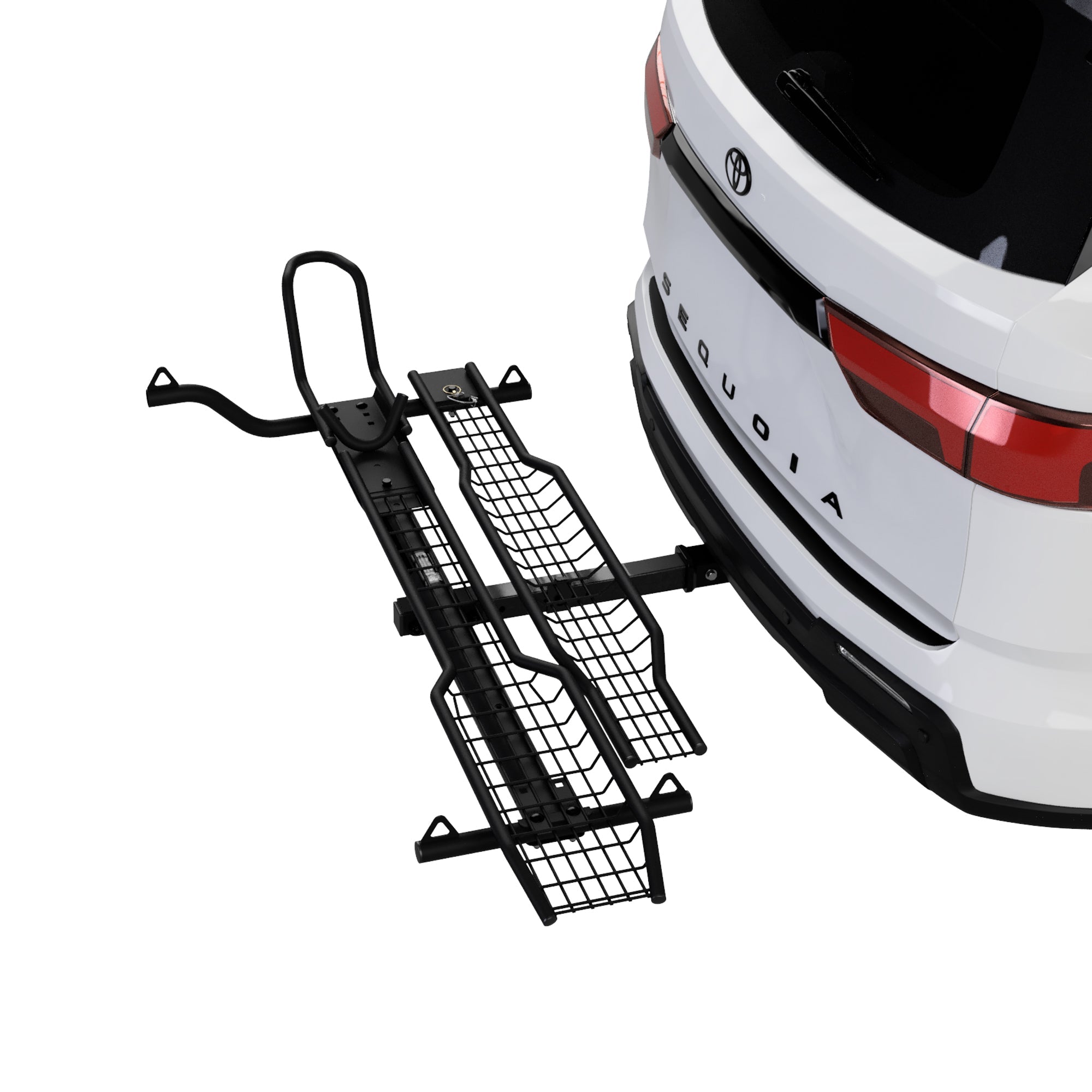
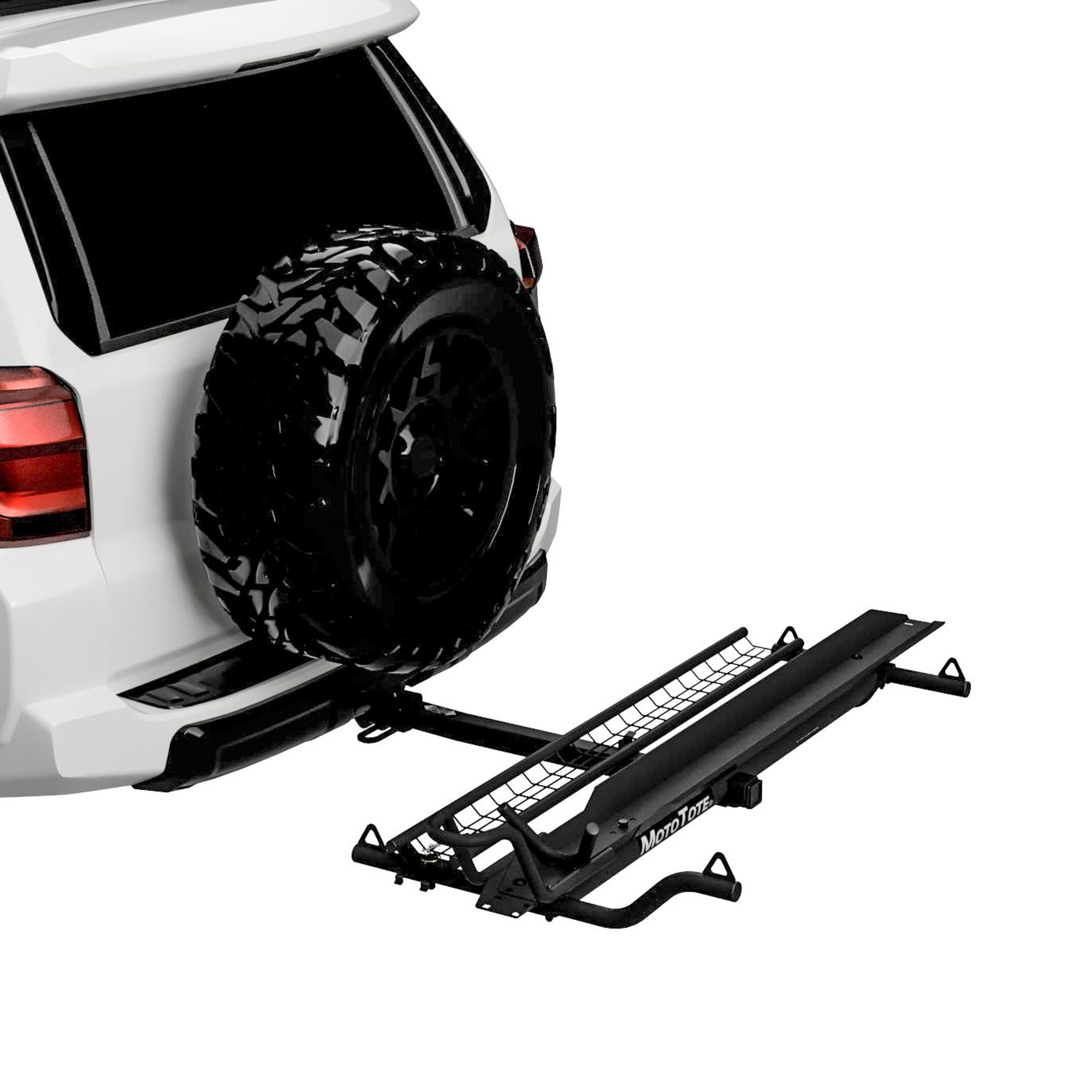
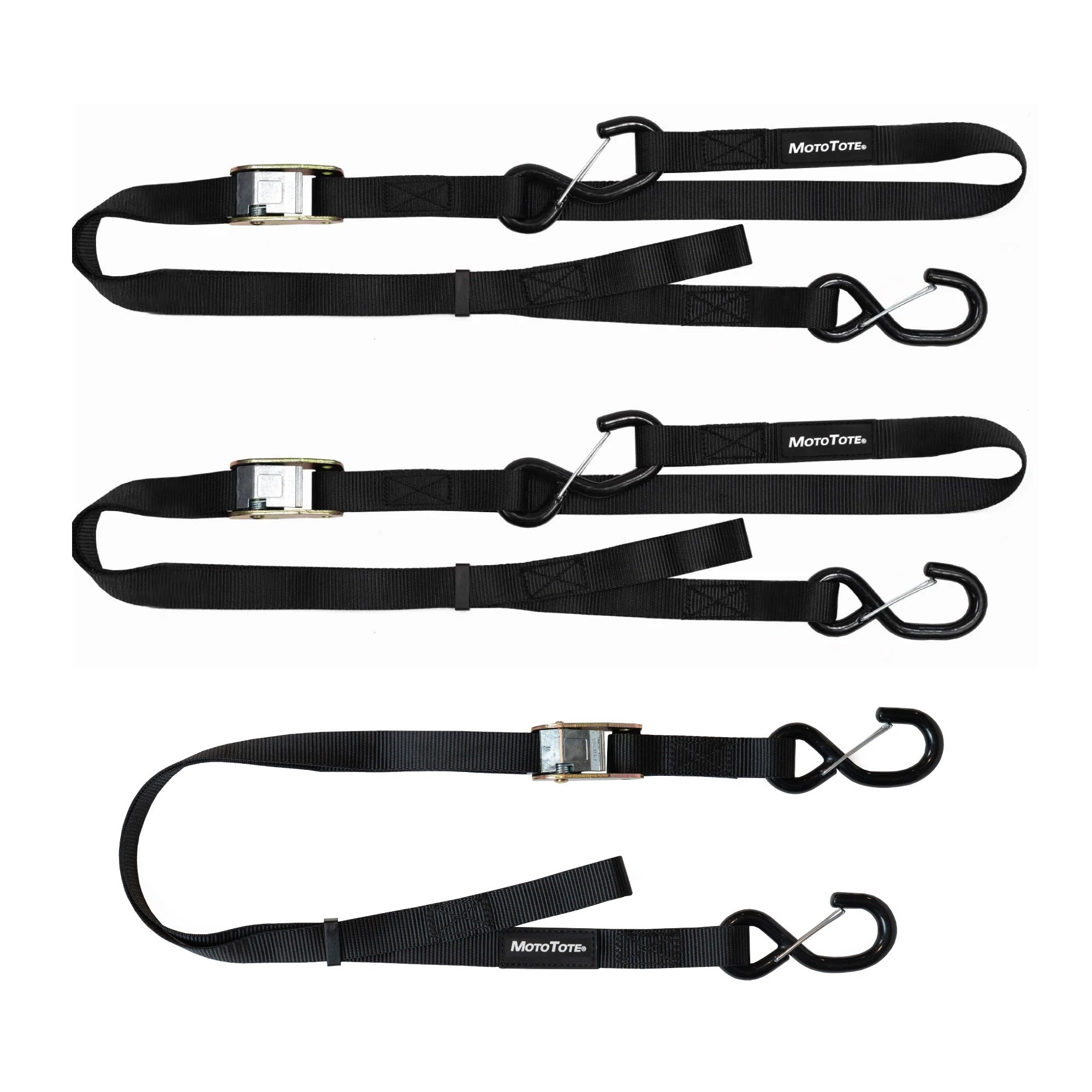
MotoTote builds hitch-mounted motorcycle carriers in Texas for dirt bikes, dual-sports, scooters and sport bikes. NVMOS carries the Max, Max+, m3, Sport and dual carriers, Mini e-bike racks, and the ramps, tie-downs and light kits that go with them, for anyone with a 2-inch receiver and a bike to haul.
Based in: Coppell, Texas · Made in: Texas (some imported parts) · Since: 1997 · Warranty: 1-year limited · Lead time: In stock: ships in 24–48 hours
MotoTote warranty · MotoTote FAQs · Current lead times · All brands










MotoTote FAQs
Where are MotoTote carriers made?
MotoTote designs and assembles its carriers in Texas, with some imported components. The company is based in Coppell, Texas.
What is the MotoTote warranty?
MotoTote-branded carriers and parts have a one-year limited warranty from the retail purchase date against defects in materials and workmanship.
How fast do MotoTote carriers ship?
In-stock items ship from NVMOS in 24–48 hours. Some items ship direct from MotoTote, so check the product page or call for timing.
What hitch do I need?
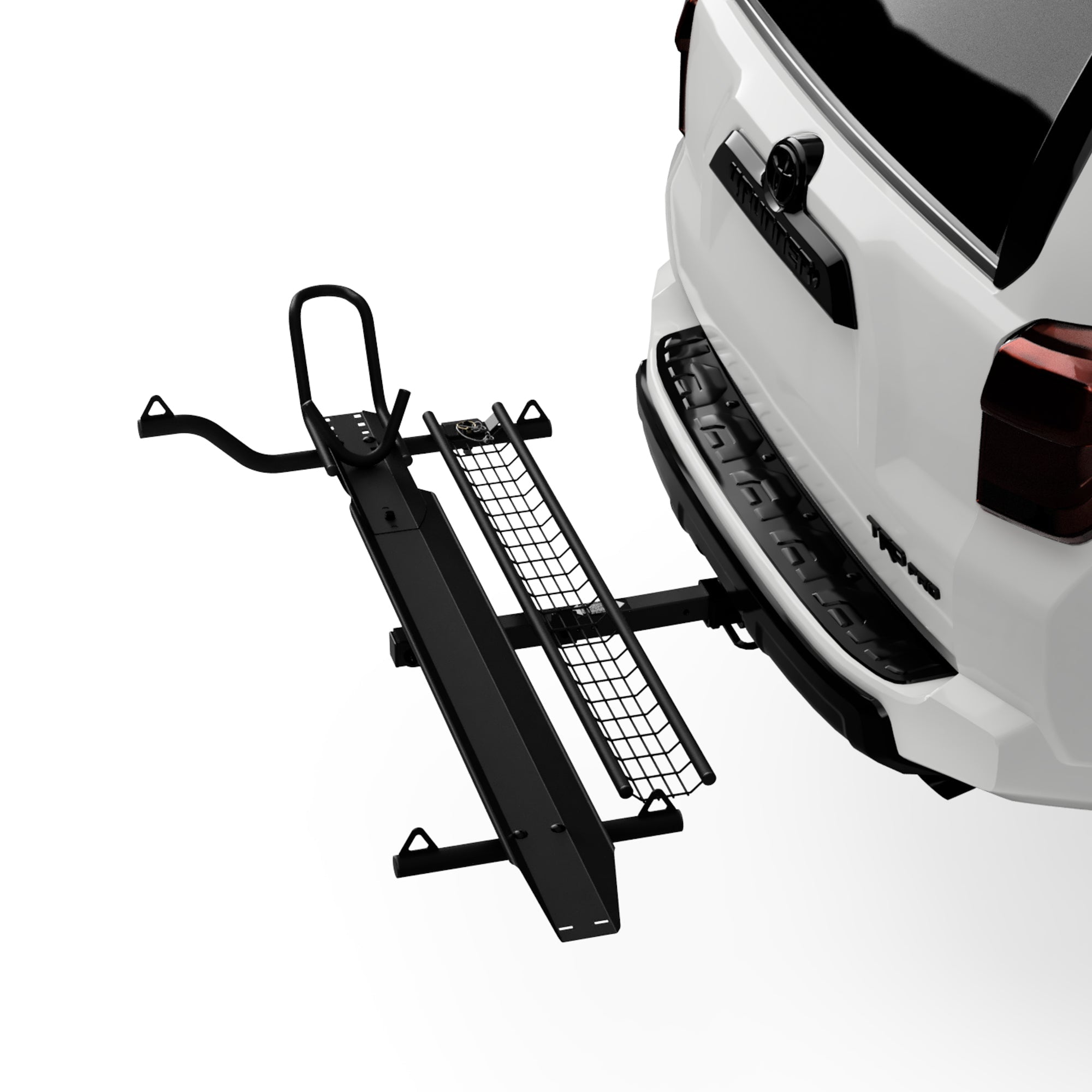
A 2-inch receiver with enough tongue weight capacity for your bike plus the carrier. Many models specify Class III or higher.
How much weight can a MotoTote carry?
The m3 is rated for bikes up to 500 lb, and the Sport, Max and Max+ up to 600 lb. Dual carriers hold two bikes up to a combined 600 lb, and your vehicle's tongue weight rating still sets the real limit.
Is assembly required?
Yes. MotoTote says assembly usually takes 30–60 minutes with a few basic tools.
Does it come with a ramp?
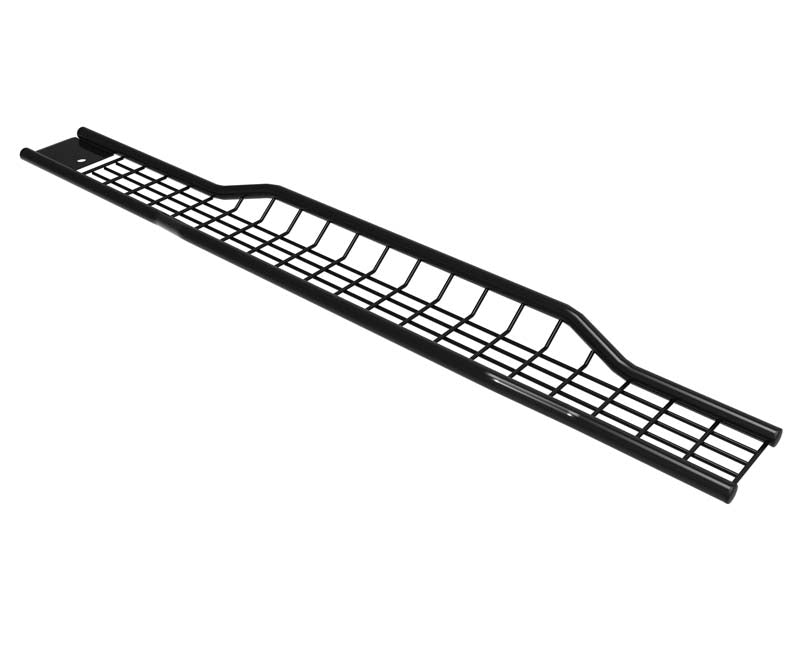
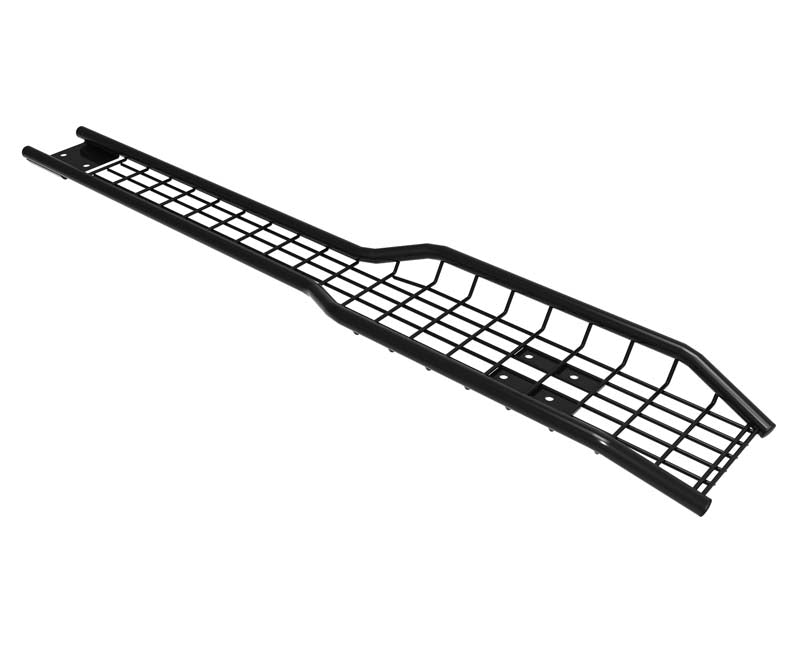
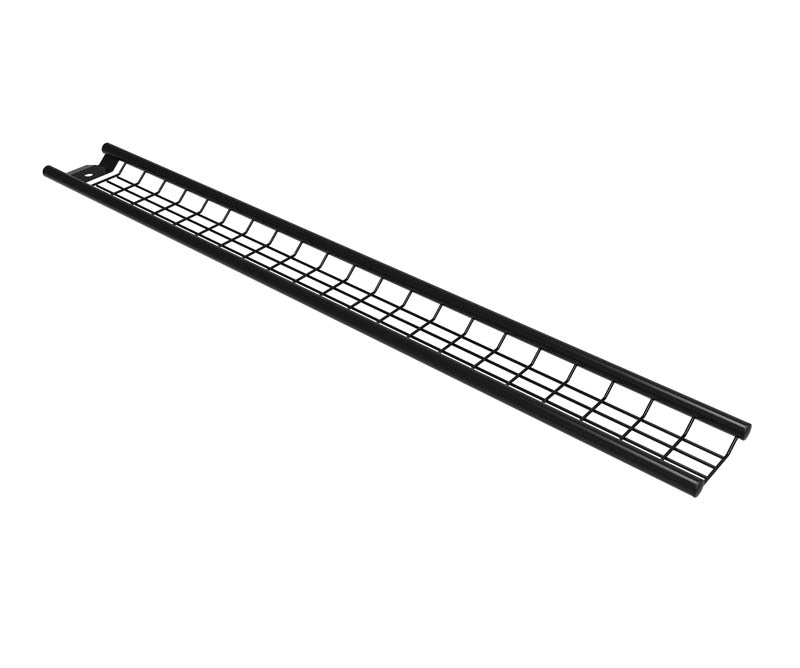
The m3 includes MotoTote's EasyLoad steel ramp, which hooks into the tire track. Ramps for other models are sold separately.
