





Why Roof Rack Tie-Down Anchors Are a Must-Have for Overlanding and Cargo Management
When your gear lives on the roof, your rack is only as good as the points you can strap to. Roof-rack tie-down anchors give you secure, purpose-built attachment points for the bulky, awkward loads overlanding throws at you.
Why roof-rack anchors matter
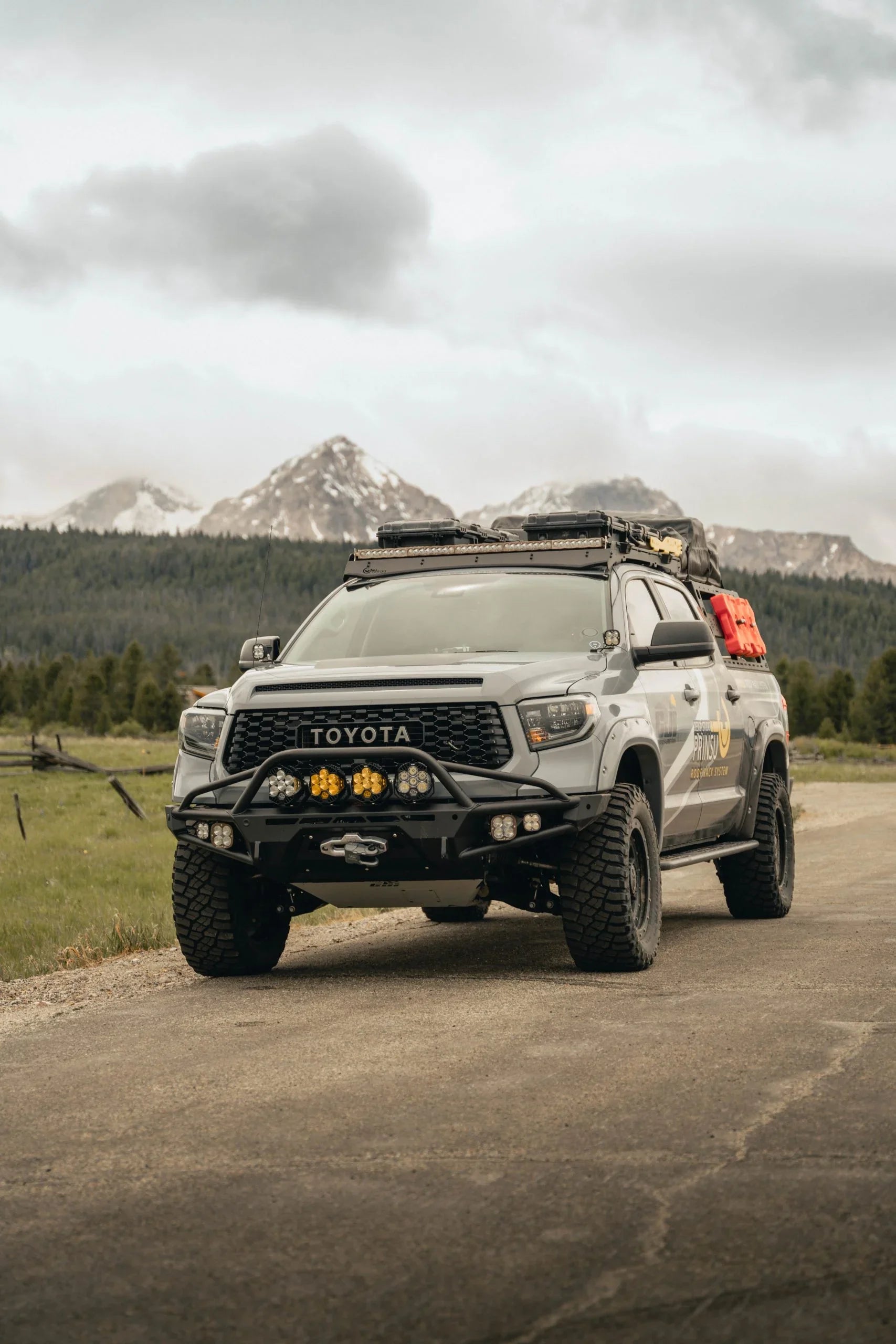
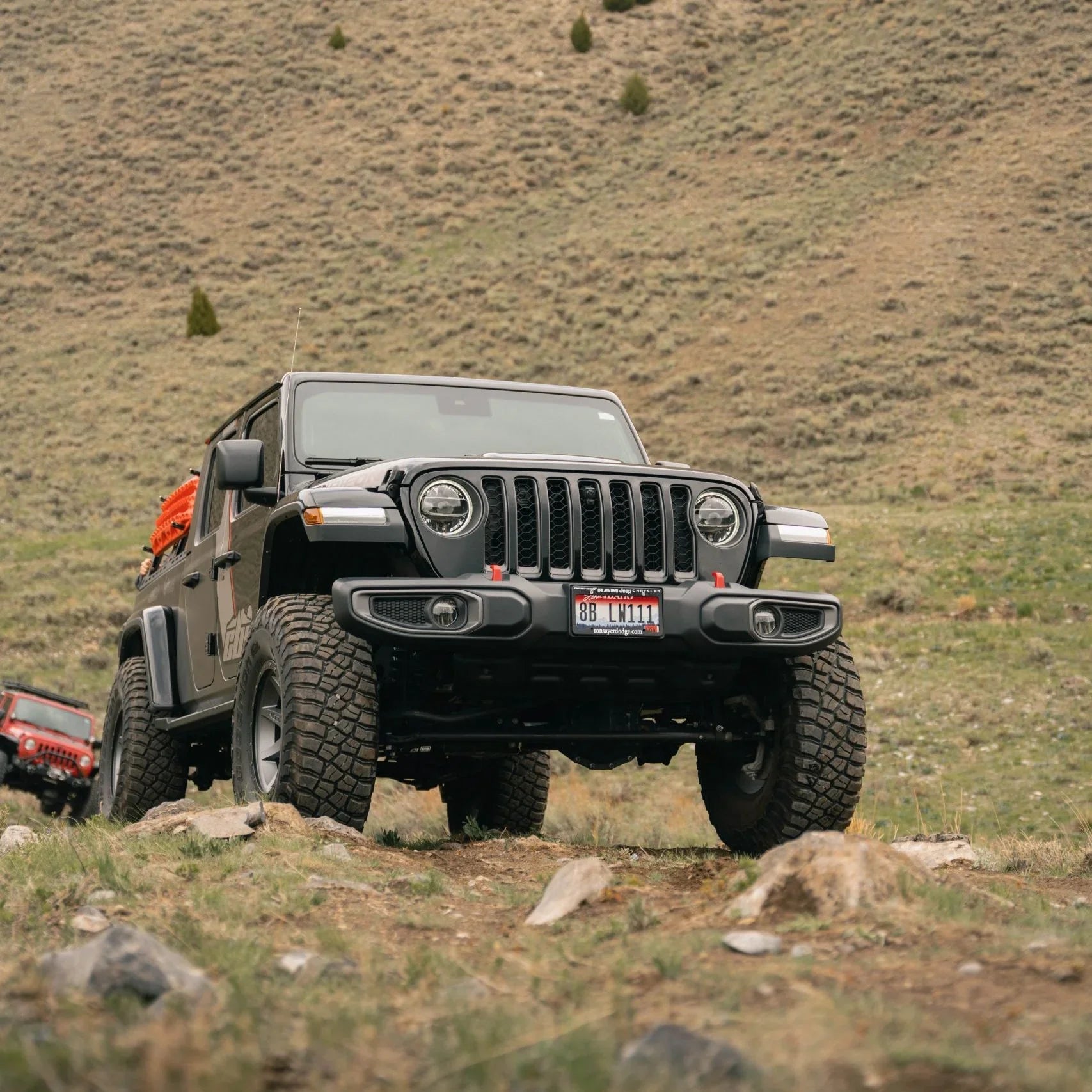
Roof racks carry the stuff that will not fit in the bed or cab—traction boards, fuel and water cans, awnings, spare tires, and camp gear. Dedicated tie-down anchors give you strong, repeatable points to secure those loads instead of improvising around crossbars.
Better control for rooftop loads
Good anchor placement means better strap angles and less shifting at speed and on the trail. That matters most with tall or heavy rooftop cargo, where a loose load can affect handling.
Part of a complete tie-down setup
Roof-rack anchors work alongside bed and rail tie-downs and D-rings so you have a secure point for every load—from the bed floor to the roof. Build the setup around how you actually pack for a trip.
Frequently asked questions
Why do I need roof-rack tie-down anchors?
They give you strong, purpose-built points to secure bulky rooftop loads like traction boards, fuel and water cans, awnings, and camp gear instead of improvising around crossbars.
Do roof-rack tie-downs help with overlanding?
Yes. Overlanding puts tall, heavy gear on the roof, and dedicated anchors keep it secure with better strap angles and less shifting on the trail.
Can I use roof-rack anchors with bed tie-downs?
Absolutely. Roof-rack anchors work alongside bed and rail tie-downs and D-rings so you have a secure point for every load, bed to roof.
Shop tie-down anchors at NVMOS
Secure every load, bed to roof, with billet tie-down anchors, D-rings, and recovery points.
