





Accessories
The catch-all hub for cross-category essentials: on-board air, antennas, and the accessories that finish builds rather than start them. If you can’t find a category, it’s probably here — and if it’s not here, ask; the catalog is deeper than any menu.
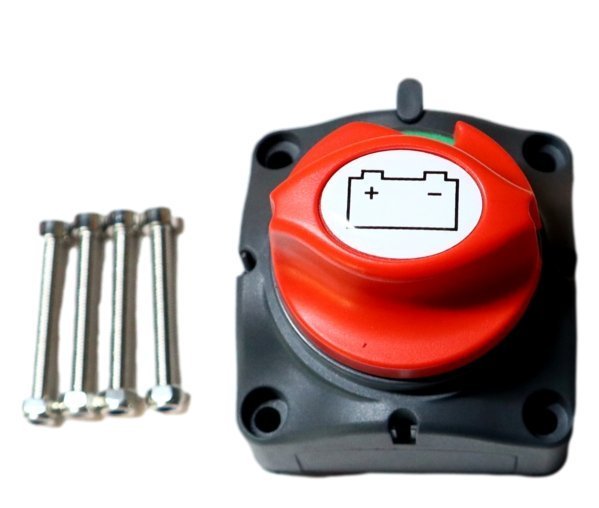
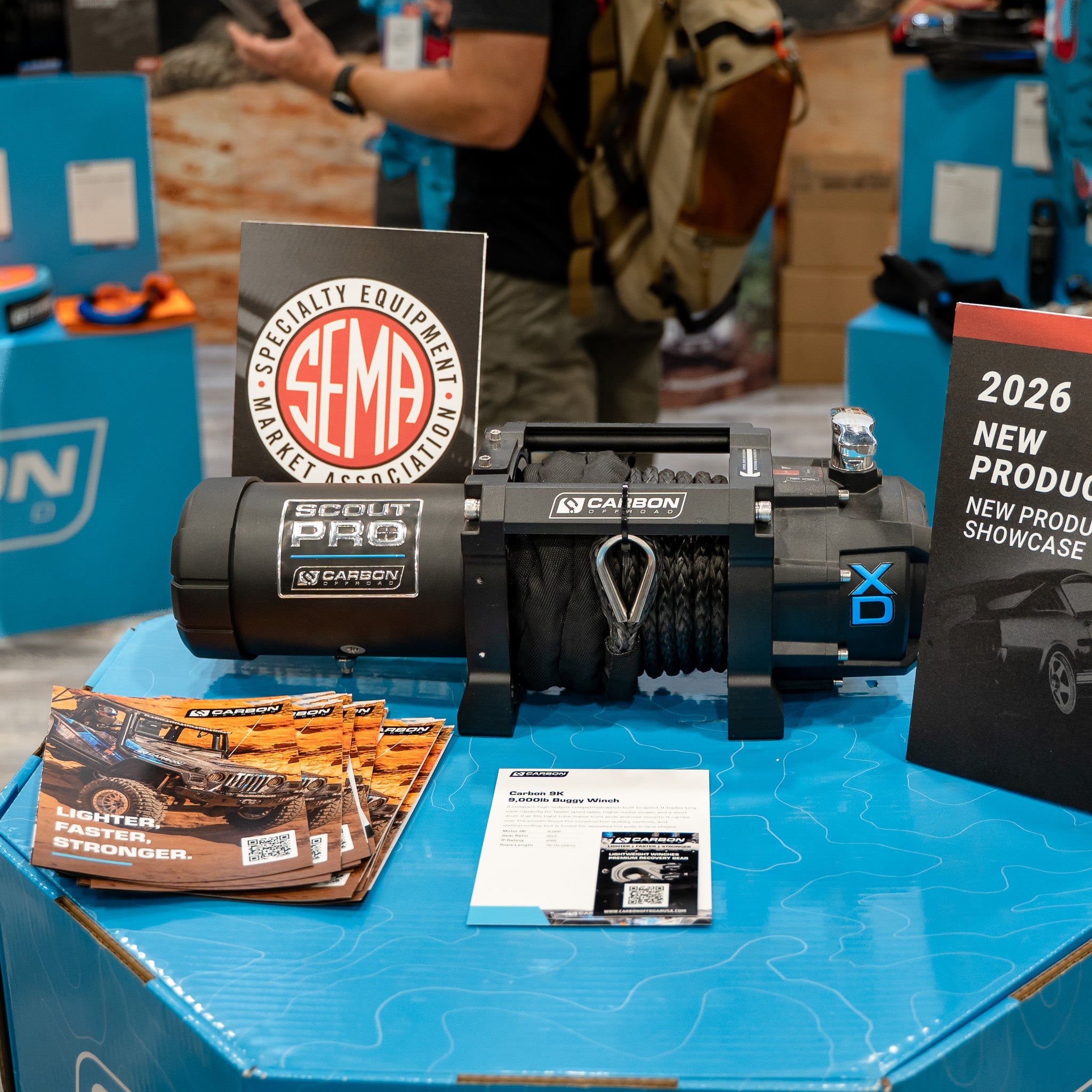
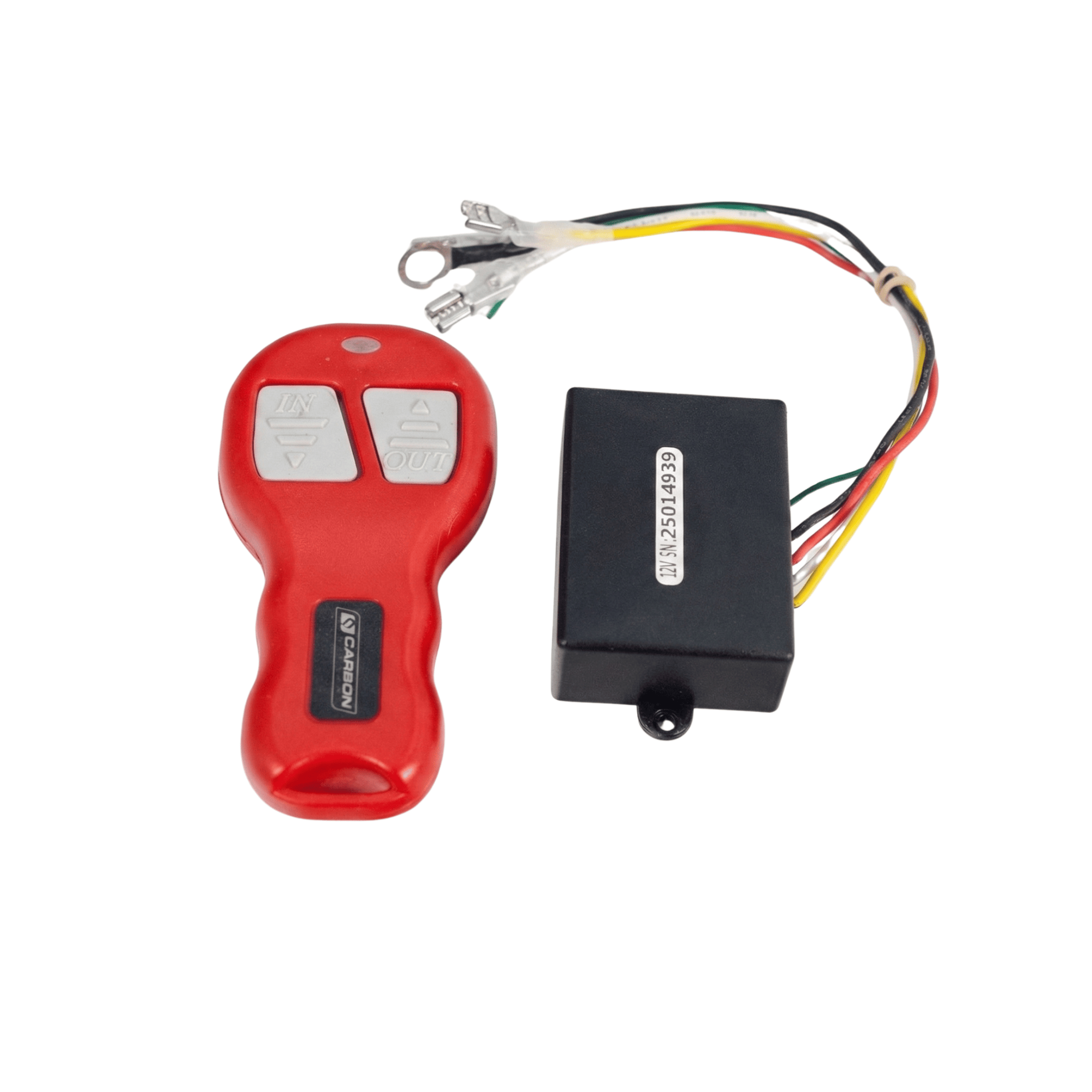
Navigation: Accessories FAQs
Which overlanding accessories should I buy first?
Air first, then mounts, then the unglamorous gear you will use every trip. Airing down and back up changes how a truck rides and grips off-pavement more than most bolt-ons, so an air system leads the list. A rigid device mount keeps navigation usable on washboard. After that, buy for the trips you actually take — the accessory that stays home every weekend was the wrong buy at any price.
Is CO2 or a 12-volt compressor better for airing up?
CO2 is fast and silent; a compressor never runs empty — that is the entire tradeoff. A Power Tank setup airs up large tires quickly and runs air tools without loading your electrical system, but the tank eventually needs a refill. A compressor takes longer per tire and draws power, but it works indefinitely. Frequent wheelers tend toward CO2; occasional weekenders usually accept the compressor's wait.
What makes a phone or tablet mount trail-worthy?
Rigidity and clamping force — corrugated roads kill mounts through vibration, not impact. Look for stiff arms, a hard attachment point instead of a suction cup, and a grip that cannot walk loose over hours of washboard; that is the design brief Tackform mounts follow. Put the device where a glance reads it. Navigation should cost you half a second, not your line through the rocks.
Do accessories need year, make, and model fitment like hard parts?
Some do — dash mounts, brackets, and anything bolting to vehicle-specific points, while tanks, universal clamps, and handheld gear fit anything. Use the fitment filter when a product offers it, and read the mounting details when it does not. Remember that a universal accessory still needs a real home in your truck, so think through the location before ordering rather than improvising after.
Where should I mount a CO2 tank or air system in the rig?
Somewhere secured, oriented per the manufacturer, and reachable without unpacking camp. Bed corners, cargo areas, and dedicated brackets all work; loose in the cargo bay does not — a heavy cylinder becomes a projectile in a hard stop. Protect the valve from shifting gear and keep the tank out of constant direct sun where you can. Ten minutes of proper mounting beats restacking gear around it every trip.
