





Solid-axle Jeeps reward engineered lifts and punish guesswork — caster, pinion angle, and track-bar geometry decide whether a lifted Wrangler drives beautifully or wanders lanes. This collection carries Teraflex and Clayton Off Road systems with Falcon shock options, generation-filtered for JL (2018+), JK (2007–2018), and earlier Jeeps. From 2.5" trail lifts for 35s to long-arm systems for 37s, every kit here corrects geometry rather than just adding air under the fenders.












Jeep Wrangler Lift Kits FAQs
How much does it cost to lift a Jeep Wrangler properly?
Realistically, a quality 2.5" short-arm system with geometry correction and good shocks lands well north of a budget boost's price — plus alignment and possibly driveshaft or gearing work at taller heights. The budget version exists, but on a solid-axle Jeep the corners you cut show up in the steering wheel. Buy the geometry, not just the height.
What causes death wobble, and does a lift kit fix or cause it?
Death wobble is a steering oscillation triggered by worn or loose front-end components — track bar, ball joints, tie rods — and bad caster geometry amplifies it. A poorly installed or geometry-ignorant lift can invite it; a quality kit with correct caster and a solid track bar setup, torqued properly, is protective. Lifted or stock: keep the front end tight.
Can I run 35s on a stock Rubicon without a lift?
Close to yes — JL Rubicons clear 35s with minor rubbing at full flex, and many owners run them stock. A 1.5–2.5" lift adds the clearance for real articulation and corrects the loaded stance. Non-Rubicon trims sit lower and want the lift. Either way, plan on regearing enthusiasm to match your driving.
Do I need adjustable control arms with my Wrangler lift?
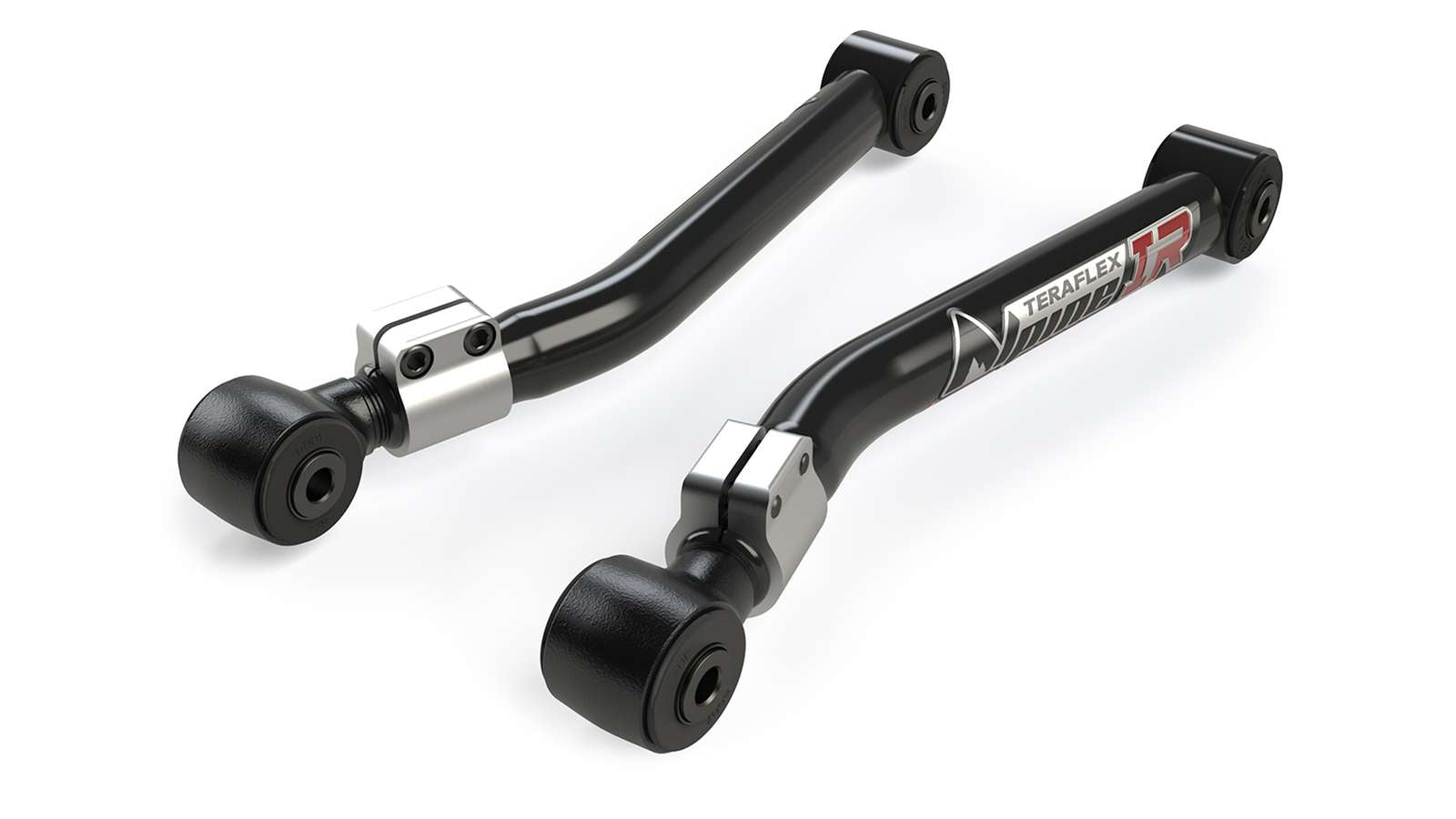
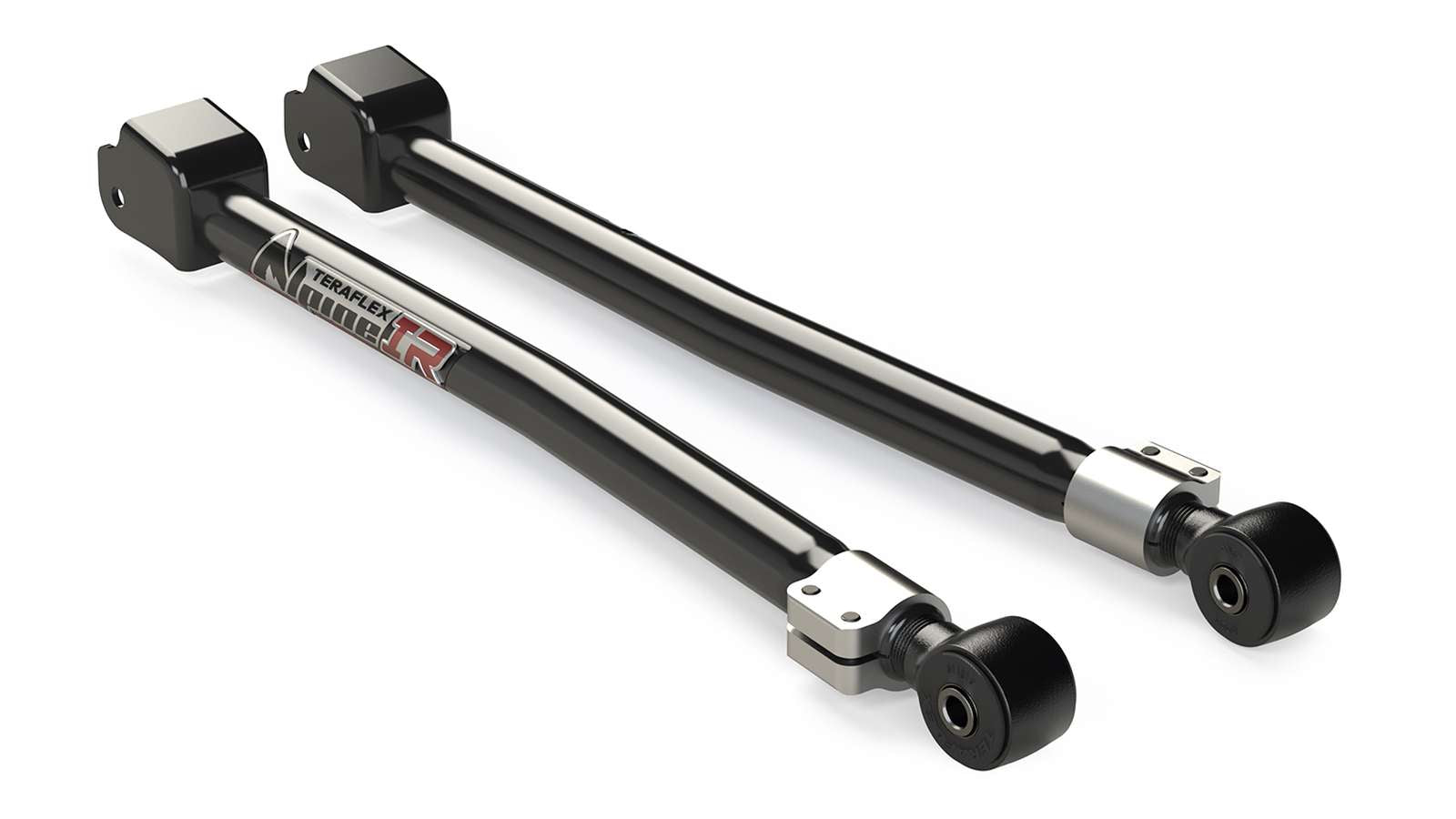
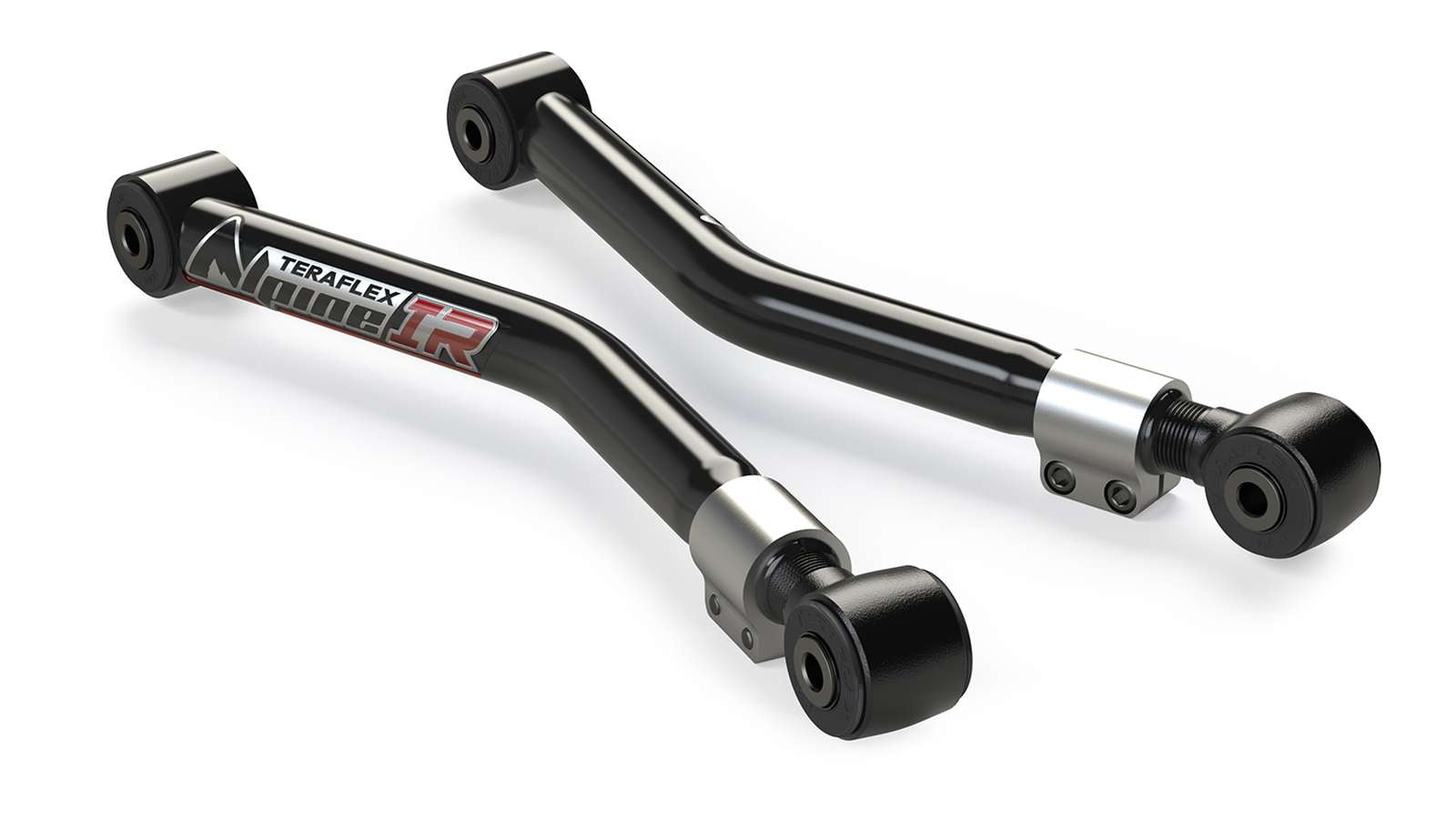
At 2.5"+, adjustable (or correctly lengthened fixed) arms restore caster to spec — that's your straight-line stability and return-to-center feel. At 3.5"+, they're mandatory equipment, along with track-bar correction. Kits here list what's included, and we can tell you exactly what your target height needs.
Will a lifted Wrangler still daily-drive comfortably?
A geometry-corrected 2.5" system on 35s with quality shocks daily-drives remarkably well — that's the point of paying for Teraflex or Clayton engineering. Expect a bit more wind and tire noise (mostly from the tires you chose) and a taller climb in. Sloppy lifts, not lift itself, are what ruin Jeeps as daily drivers.
